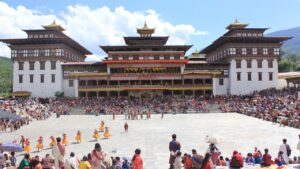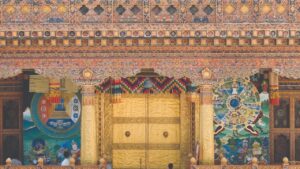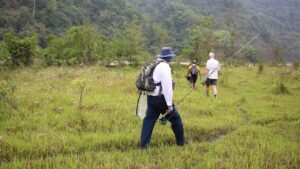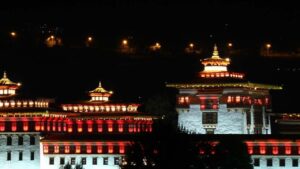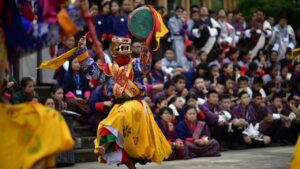
Places to visit in Bhutan offer a rare mix of deep-rooted culture and untouched nature, making the country perfect for slow, meaningful travel.
If you are planning this trip seriously, not casually, the goal is simple. You want places that feel worth the effort. Places that do not rush you. Places that stay with you.
This guide walks you through those places with calm, honest guidance and real decision points.
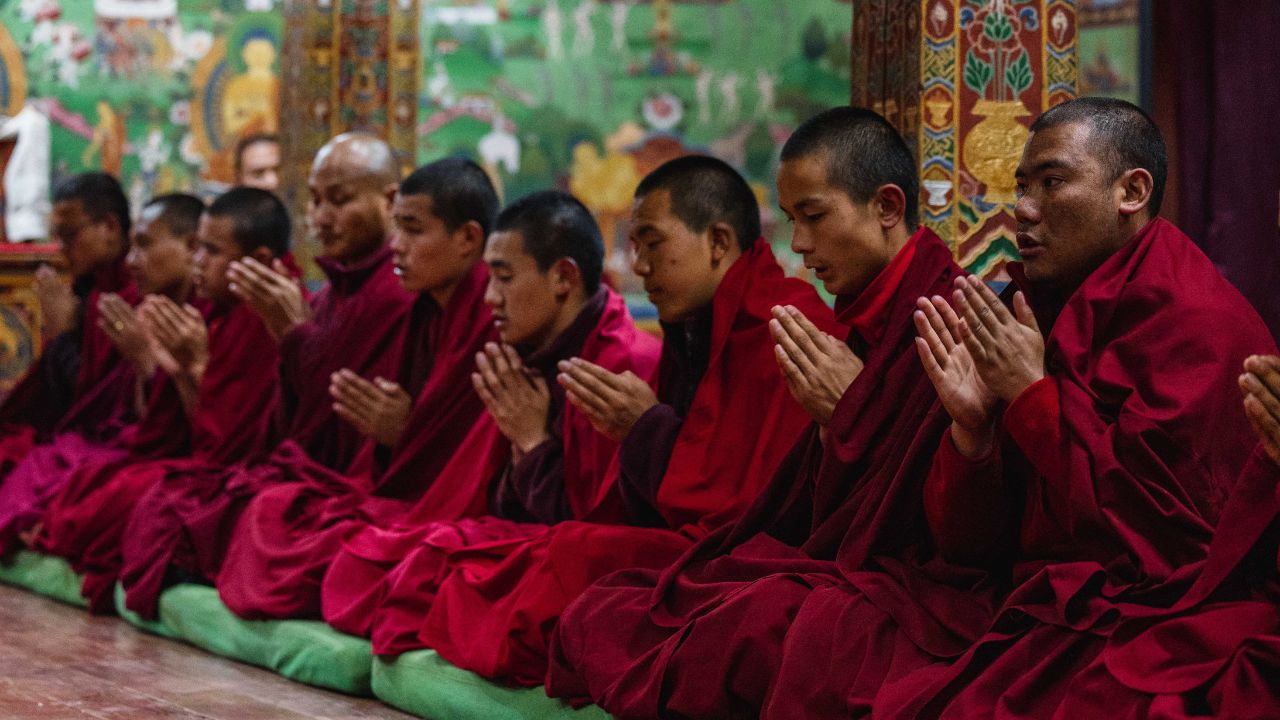
Credit: Department of Tourism | Carissa Nimah
Why Choosing the Right Places in Bhutan Matters
Bhutan is not built for speed. It is built for intention. Travelers who try to cover too much often leave tired. Those who choose fewer places, chosen well, usually leave feeling lighter.
The places to visit in Bhutan connect through rhythm rather than distance. Valleys slow you down. Monasteries ground your thoughts. Open landscapes create room to breathe. Many travelers find that starting with a cultural tour helps set this rhythm early. It offers context before movement, so each place feels understood rather than rushed.
Before going further, it helps to pause and ask one simple question.
Are you traveling to collect sights, or to feel settled?
That answer quietly shapes every decision ahead.
1. Paro Valley – The Most Natural Starting Point
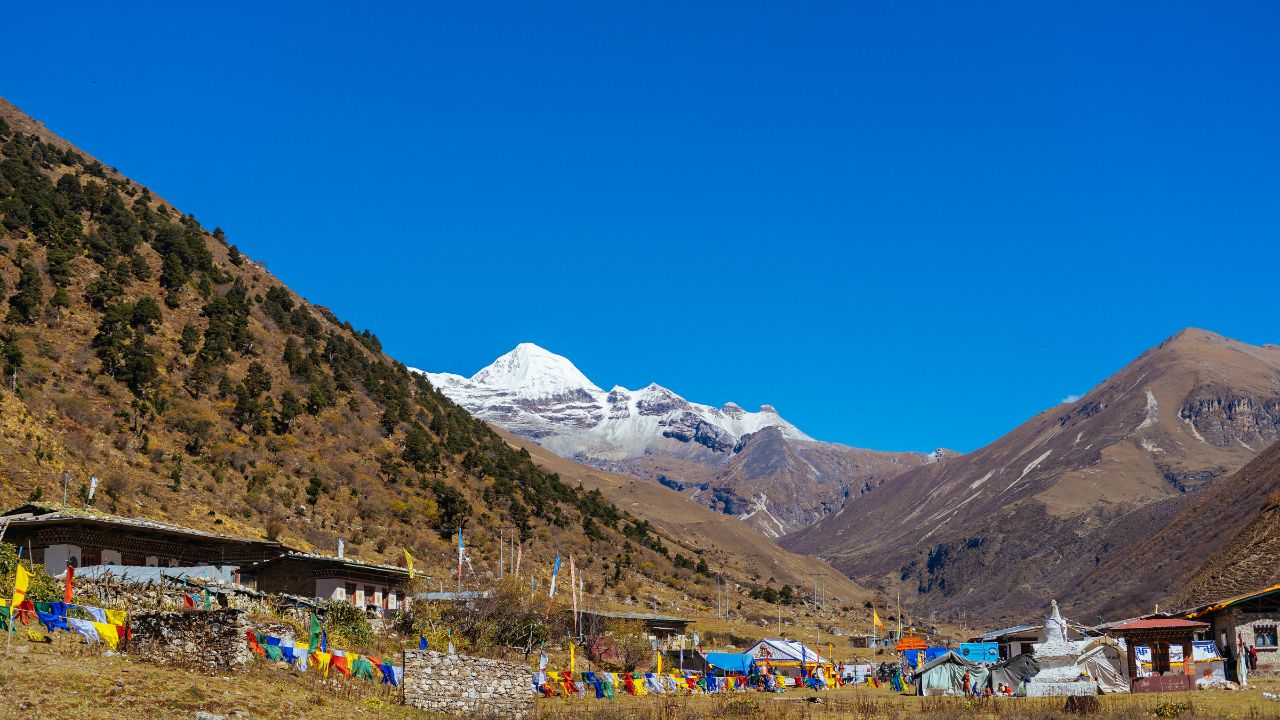
Some of the best places to visit in Bhutan are Paro. The palace makes you feel welcomed without trying. The valley opens gently, helping both your body and mind adjust.
You notice small things here. Prayer flags stretched across bridges. Locals walking without hurry. The silence between sounds.
Paro works well for first-time visitors and families because nothing overwhelms you. It eases you into Bhutan instead of testing you.
Why Paro makes sense
- Comfortable altitude
- Short travel times
- Culture woven into daily life
Many festivities begin here for exactly this reason. Pairing your visit with a cultural tour early on gives you context. You learn how monasteries function, why traditions matter, and how daily life flows. That understanding quietly improves every stop that follows.
2. Tiger’s Nest Monastery – The Walk That Changes Perspective
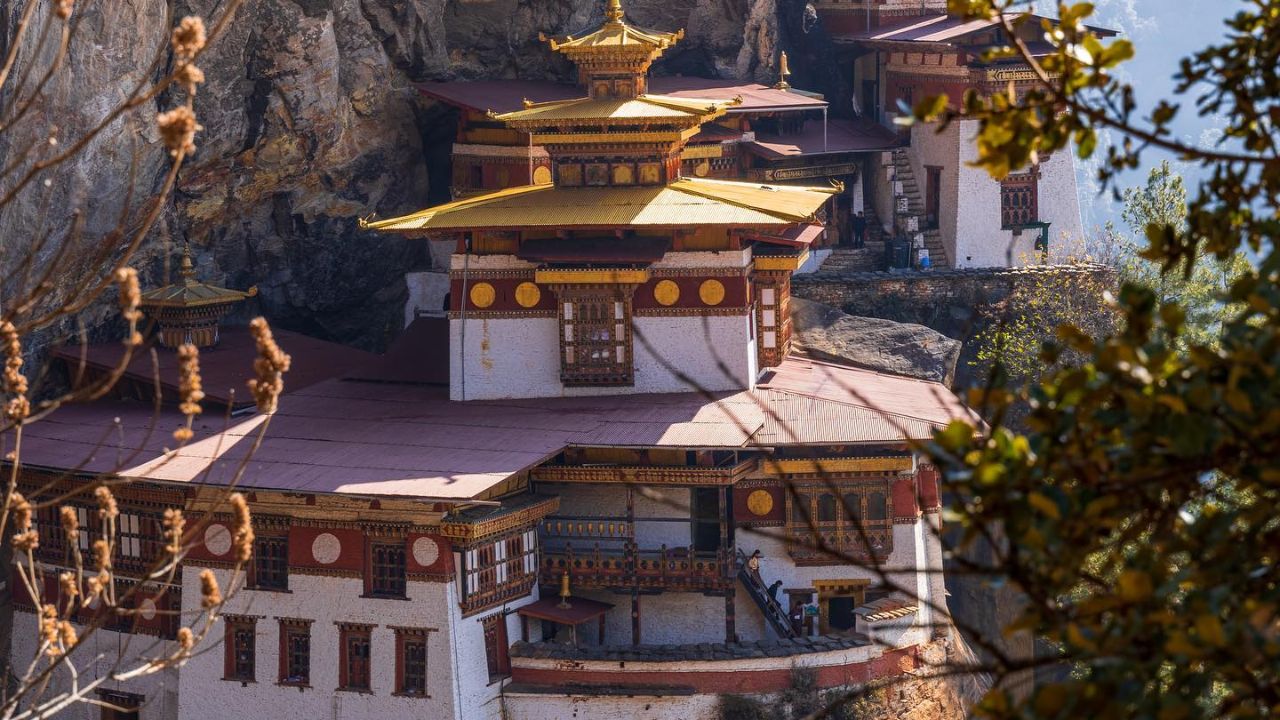
Credit: Department of Tourism | Source shaileshtendulkar
Tiger’s Nest is not about difficulty. It is about patience.
The trail rises steadily through forest paths. You stop often. Not because you must, but because you want to.
A common concern comes up early.
“Is this trek okay for beginners?”
Yes. You walk at your own pace. Horses help for part of the climb. Breaks are normal.
When you reach the monastery, the effort fades. What remains is stillness and scale.
3. Thimphu – A Capital That Feels Calm
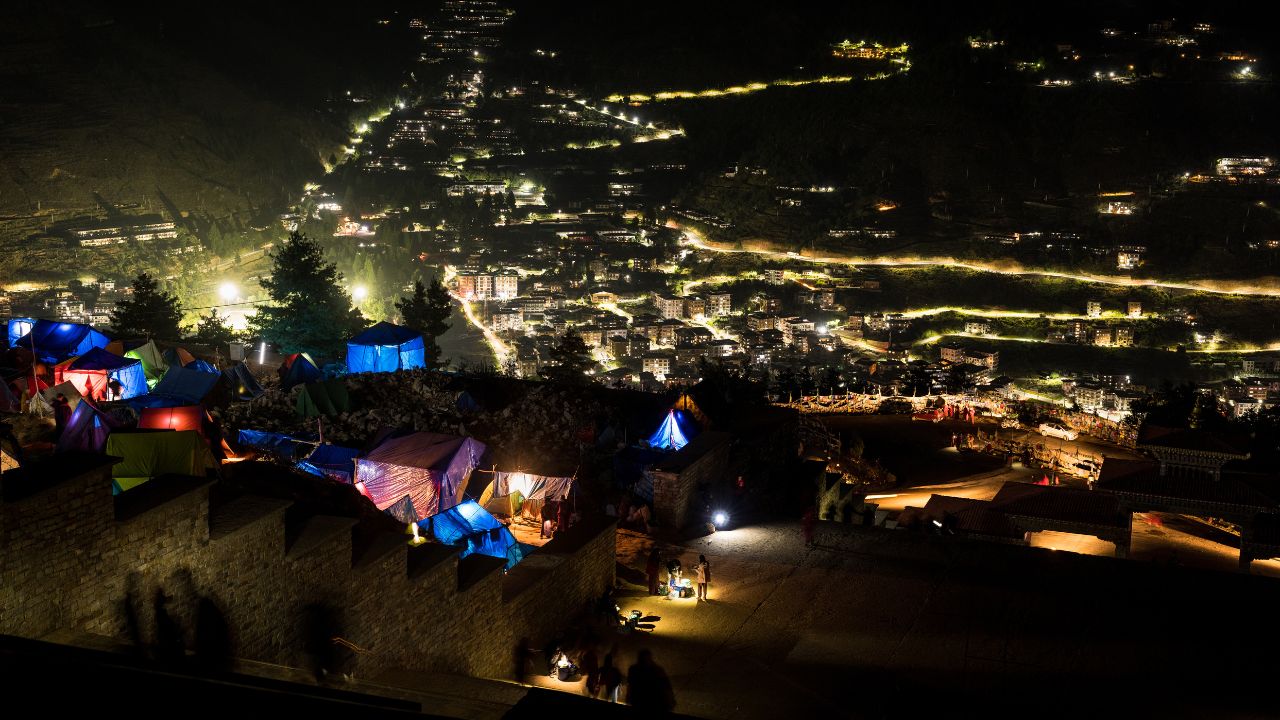
Credit: Department of Tourism
Thimphu does not feel like a capital city. There are no traffic lights. People wave you through roads.
Here, tradition and modern life share space easily. A monk may pass a café filled with students.
Families like Thimphu because it feels safe and approachable. Curious travelers enjoy museums that explain Bhutan rather than selling it.
It’s also where many guided cultural experiences begin, helping travelers understand Bhutan before moving deeper.
4. Punakha – Where Space and Warmth Open Up
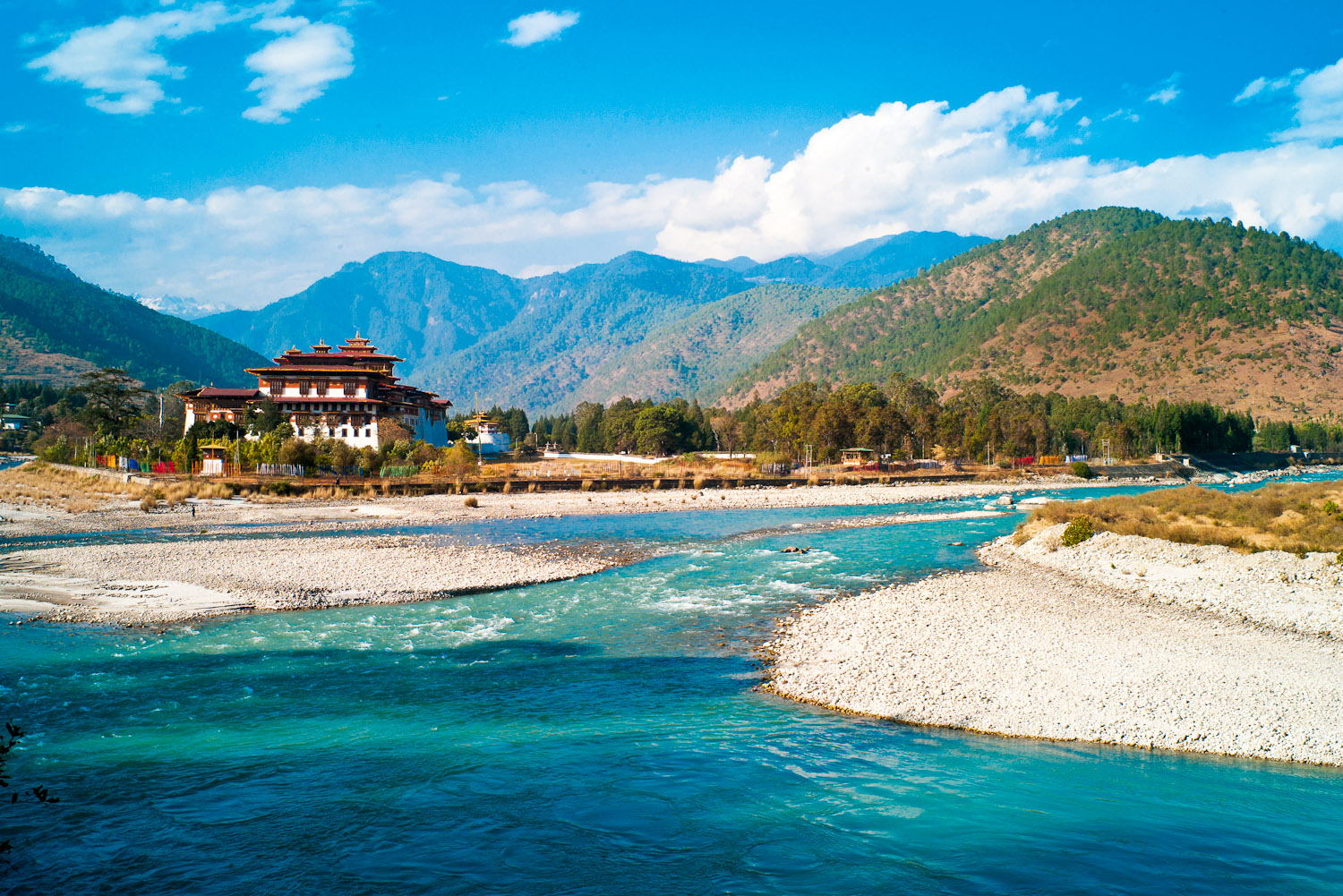
Credits: Department of Tourism | Source: Carissa Nimah
Punakha feels wide and warm. The valley stretches out, and the air feels softer.
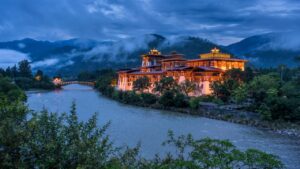
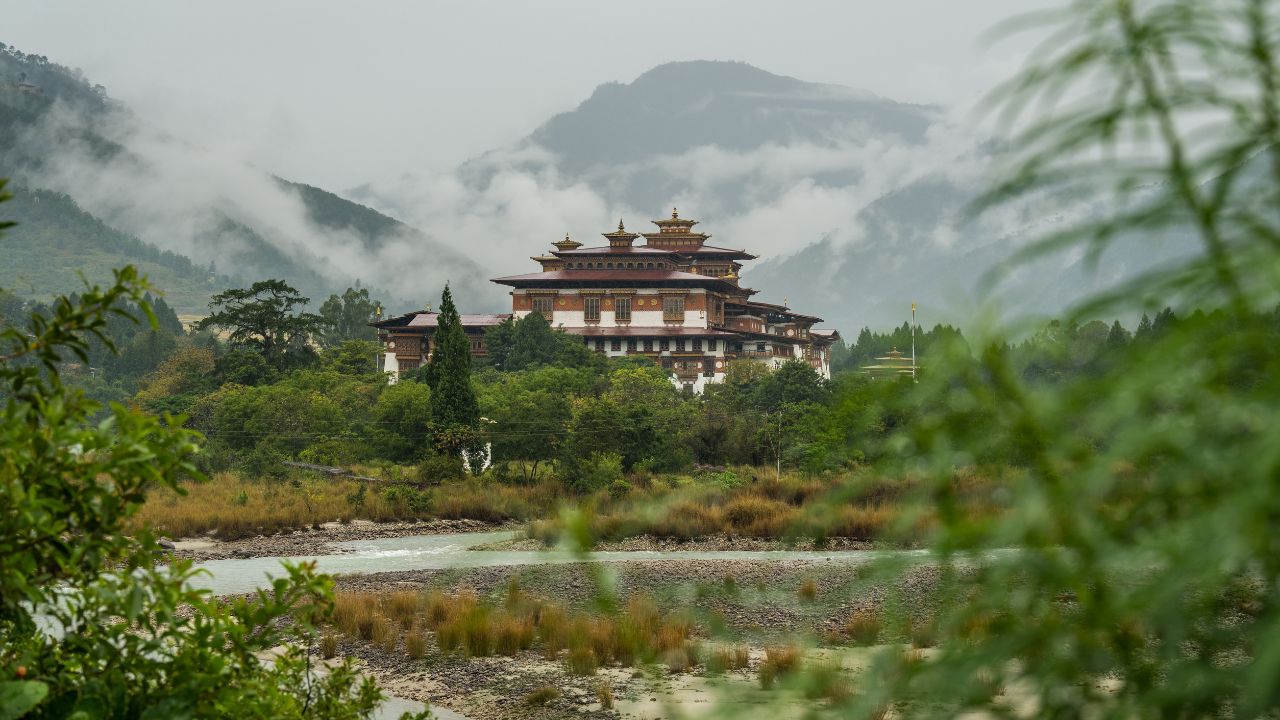
Punakha Dzong sits at the meeting point of two rivers, calm and grounded. Monks still live here. Rituals still happen.
People often slow down here without planning to. The place invites it.
Why Punakha works well
- Lower altitude
- Easy walks
- Relaxed pace for families and couples
5. Dochula Pass – A Pause Shaped by Weather
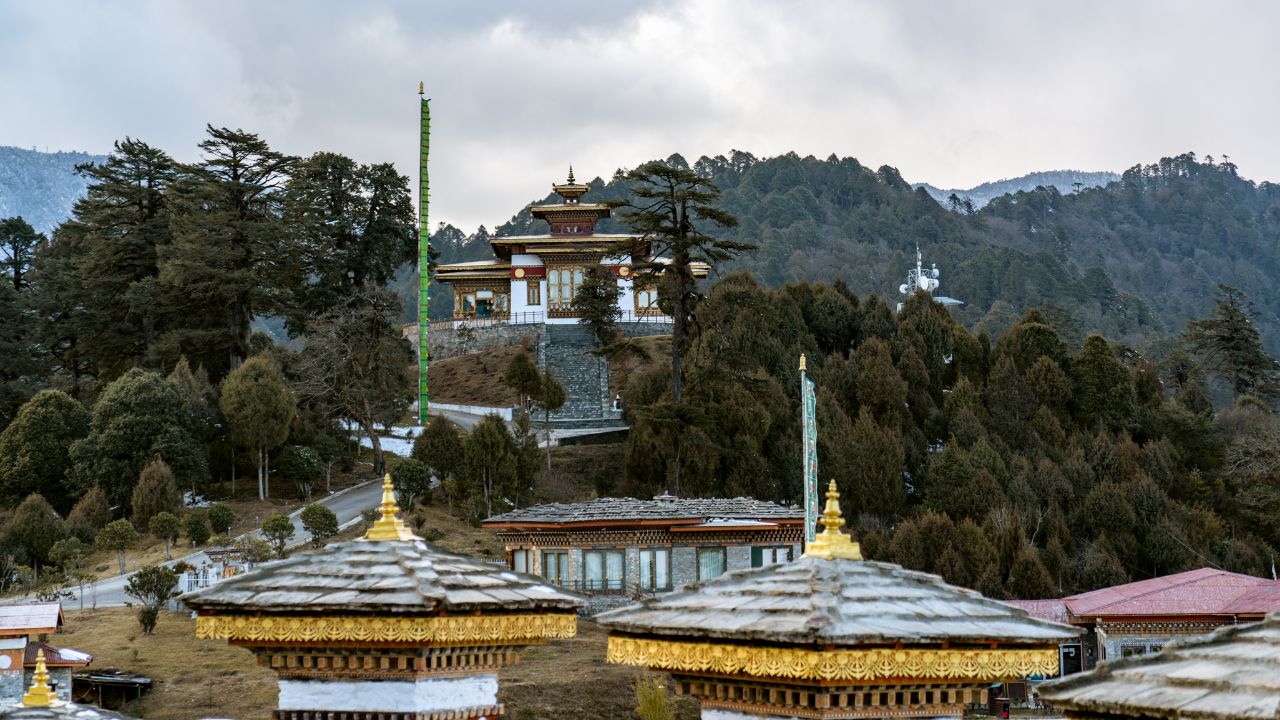
Credits: Department of Tourism | Source Carissa Nimah
Dochula Pass feels different every time. Clear days reveal Himalayan peaks. Foggy days bring quiet mystery.
The 108 chortens encourage stillness, even for travelers in a hurry.
This place works best as a pause, not a photo stop. Even brief moments here feel grounding.
6. Gangtey Valley – Nature Without Distraction
Gangtey feels like an open breathing space.
The valley stretches wide. Houses sit low. Silence settles easily.
Walking trails are gentle and flat, making it ideal for families or anyone wanting nature without effort.
Many travelers do not plan much time here. Most wish they had.
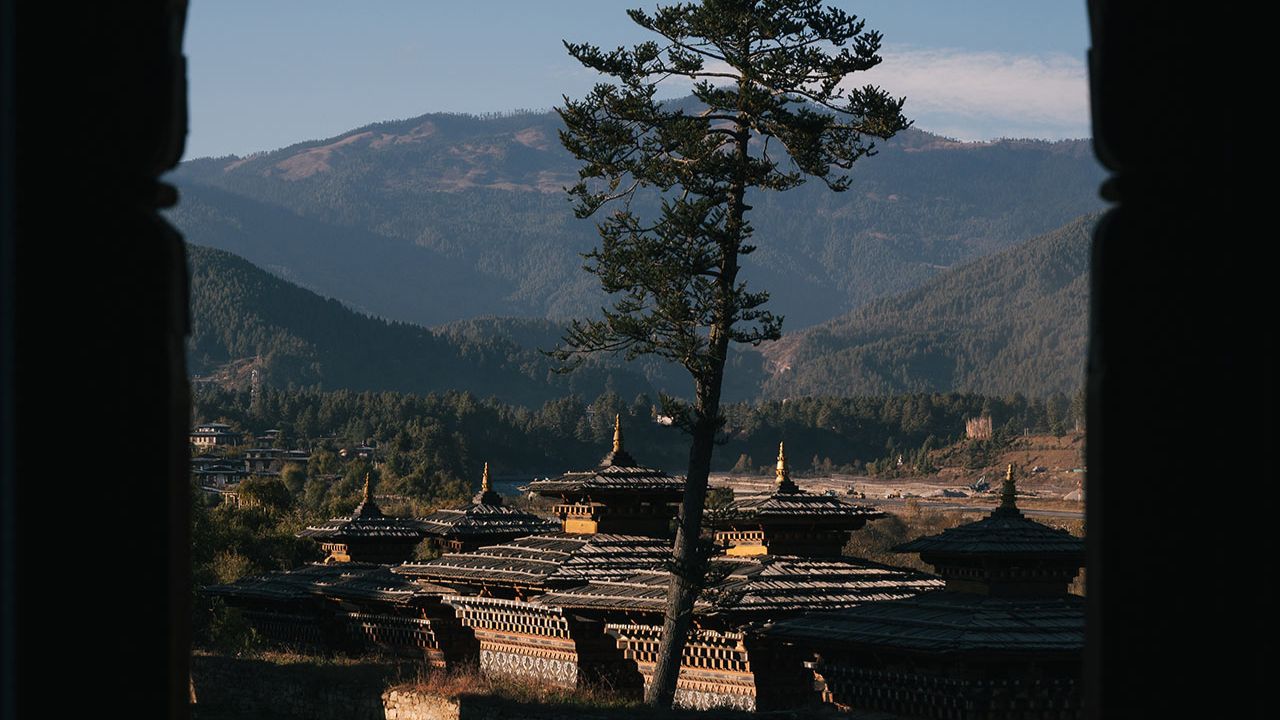
7. Bumthang – Where Bhutan’s Stories Live
Credits: Department of Tourism
Bumthang is quiet in a thoughtful way.
Temples here feel lived in. History feels close. People naturally lower their voices.
Travelers who enjoy learning and reflection connect deeply with this region.
A quiet question often surfaces here.
“Do I want depth, or do I want speed?”
Bumthang quietly answers that for you.
8. Phobjikha Valley – Protected Stillness
Phobjikha exists on purpose. The valley is protected, and it shows.
Buildings stay modest. Roads remain minimal. Nature leads.
Families appreciate the open space. Older travelers enjoy the slow pace.
This valley explains Bhutan’s conservation values without words.
9. Highland Regions – Living Culture, Not Displays
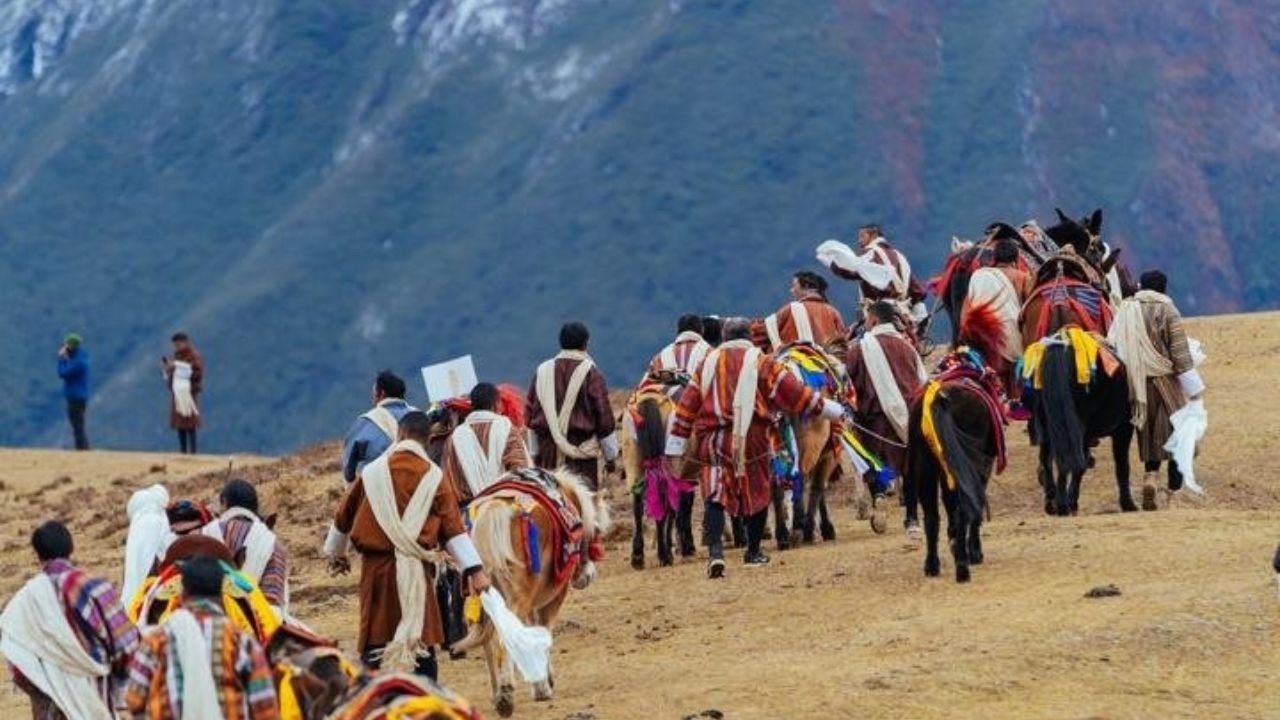
Highland areas feel raw and real. Life follows seasons, not clocks.
Events like the Royal Highland Festival are not performances. They are gatherings rooted in daily life.
A common doubt appears.
“Is this too remote for comfort?”
With experienced guidance, it becomes one of the most rewarding parts of Bhutan. The remoteness is the experience.
10. Bumdra – A Gentle Step Into Adventure
Bumdra offers a gentle introduction to adventure without pushing limits. The trail is steady, and the pace allows frequent pauses. The glamping stay feels thoughtful, not flashy, giving you the rare comfort of sleeping in nature without hardship.
Pairing this experience with a guided Bumdra trek often makes the difference. Permits, camping setup, and timing are handled smoothly, so you stay present on the trail.
Common questions before committing
- Is this suitable for beginners? Yes, no prior trekking experience needed
- Should I worry about altitude? Most travelers adjust easily
- Is a guide necessary? Yes, for safety, planning, and peace of mind
Best Time and Ideal Timeline to Visit These Places
Timing matters in Bhutan, but not in a rigid way. Each season changes how places feel.
Spring (March to May)
Paro, Thimphu, and Punakha shine with blossoms and mild weather. Treks feel comfortable. Festivals begin appearing.
Autumn (September to November)
Clear skies make mountain views sharper. Cultural festivals bring towns alive. Ideal for first-time travelers.
Winter (December to February)
Valleys stay crisp and quiet. Phobjikha and Gangtey feel especially peaceful. Higher areas are colder but clear.
How long should you plan
- 5 to 7 days: Focus on Paro, Thimphu, Punakha
- 8 to 10 days: Add Gangtey or Bumthang
- 10+ days: Include highland or trekking experiences
Short trips benefit from focus. Longer trips reward depth.
How These Places Come Together Smoothly
Bhutan journeys work best when places connect naturally.
Many travelers combine cultural valleys with one nature-focused experience. Others choose curated cultural tours that handle permits, pacing, and logistics calmly.
This reduces mental load and helps you stay present.
Reliable operators often help customize itineraries based on season, family needs, and comfort levels.
Places to Visit in Bhutan With Family – What Truly Works
Families often worry about walking distance, food, and comfort. Bhutan supports all three when planned well.
Most places listed here:
- Avoid extreme climbs
- Offer clean accommodations
- Support slow pacing
Children adapt quickly. Parents relax sooner than expected.
FAQs: Thinking Before You Finalize Your Route
Is Bhutan better for slow travel or fast sightseeing?
Bhutan strongly favors slow travel. The country is designed around balance, not efficiency. Travelers who slow down connect more deeply with the culture, nature, and people. Rushing from place to place feels out of sync here.
Should I try to visit many places or focus on fewer destinations?
Fewer places usually lead to richer experiences in Bhutan. Staying longer in one valley allows time for walks, conversations, and quiet moments that do not show up on itineraries. Depth often matters more than distance.
Will guided travel really make the journey easier?
Yes, especially for first-time visitors. Guided support removes stress around permits, routes, timing, and local customs. It also frees mental space, allowing you to stay present instead of problem-solving every detail.
Is a Bhutan trip worth slowing my daily life for?
Most travelers say yes. Bhutan asks for patience, but it gives back perspective. The slower pace often becomes the most valuable part of the journey, not the places themselves.
What mindset helps me enjoy Bhutan the most?
Arrive open, not rushed. Let plans breathe. Allow space between moments. Bhutan opens gently when you meet it at its own pace.
When the road finally quiets down, how do you want to feel when you step out of the car and into the Bhutan valleys?