Indian citizens do not need a visa to visit Bhutan, but they do need official permission to enter the country. Once this single fact is clear, the confusion disappears. Travel planning then becomes about understanding entry permits, travel rules, and how to experience Bhutan without stress.
Bhutan feels different from most destinations. It moves slowly and protects its culture, nature, and daily life with intention. When travelers understand these systems early, the journey feels calm even before arrival. Instead of solving problems at the border, you make thoughtful choices about routes, time, and depth of experience.
This guide explains everything step by step, with practical details that help Indian travelers plan confidently.
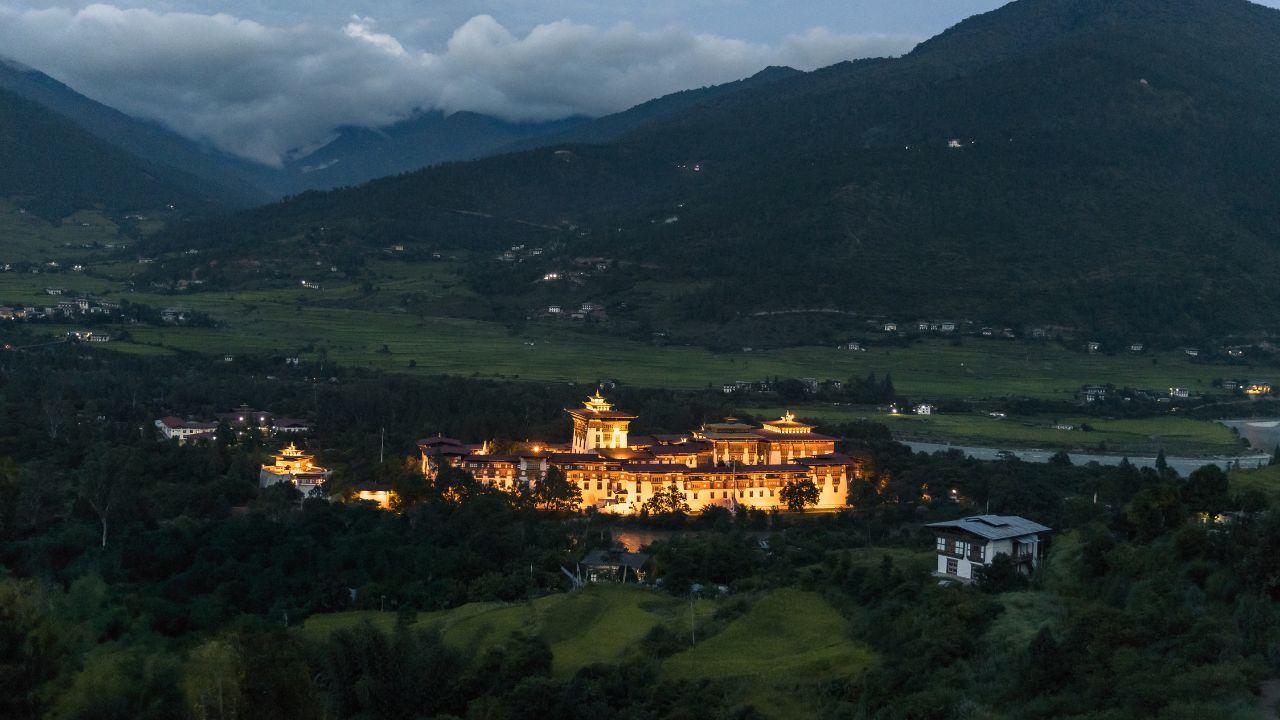
Credit: Source – Kezang Choden | Department of Tourism Bhutan
1. Bhutan Visa for Indians Is Not Required, but Permission to enter the country Is
The phrase Bhutan visa for Indians can be misleading. Indian citizens are exempt from a traditional visa, but entry without permission is not allowed.
What you need is a Bhutan entry permit for Indians. This permit is Bhutan’s formal approval for you to enter and specifies where you may travel. Without it, your journey stops at the border or airport immigration desk.
Understanding this difference removes unnecessary anxiety and helps you prepare the right documents from the start.
2. How to Get a Bhutan Entry Permit (Step-by-Step)
Bhutan does not require an embassy visit or a long pre-approval process. Entry permits are issued on arrival at approved entry points.
Step-by-Step Process
- Prepare valid identification and travel documents
- Arrive at Paro International Airport or an approved land border
- Submit documents to immigration officers
- Pay your SDF at the immigration
- Receive your printed entry permit
If all documents are correct, the process is straightforward. Missing even one document, however, can delay approval by hours or more.
3. Entry Permits Are Issued Only on Arrival
Indian travelers receive their entry permit either at:
- Paro International Airport, or
- Approved land borders such as Phuentsholing, Gelephu and Samdrup Jongkhar.
There is no embassy processing. Immigration officers verify your documents, stay details, and Sustainable Development Fee payment. Once approved, the permit is issued immediately.
This system works well, but it leaves little room for error. Preparation matters.
4. Only Two ID Documents Are Accepted
This is where many travelers face issues. Bhutan immigration is strict, and exceptions are rare.
Accepted Documents
- Valid Indian passport
- Original Indian voter ID card
Not Accepted
- Aadhaar card
- PAN card
- Driving license
For children, a passport is strongly recommended. If a passport is unavailable, an original birth certificate in English may suffice.
Always carry originals, not photocopies.
5. Where Your First Permit Allows You to Travel
Once approved, the standard Bhutan entry permit allows travel only within Paro and Thimphu.
These two regions cover Bhutan’s airport, capital city, and many major monasteries. For shorter trips, this may be enough. Many travelers spend their entire stay here and leave satisfied.
However, Bhutan’s quieter landscapes and deeper cultural experiences lie beyond these zones.
6. Exploring Beyond Paro and Thimphu Requires a Route Permit
To visit places like Punakha, Bumthang, Wangdue, or Phobjikha Valley, you must obtain a Route Permit.
This permit is issued inside Bhutan, usually from immigration offices in Thimphu or Paro. It requires your original entry permit and confirmed travel plans.
Handling this independently is possible, but it consumes time. Many travelers prefer having route permits arranged in advance through guided travel.
7. Bhutan Sustainable Development Fee (SDF) Explained
The Sustainable Development Fee is mandatory for Indian tourists. It funds Bhutan’s healthcare, education, infrastructure, and environmental protection.
Current SDF Structure
| Category | Fee |
| Adults | INR 1,200 per night |
| Children (6–12 years) | INR 600 per night |
| Children under 6 | No fee |
The fee is charged per night, not per entry. Proof of payment may be requested during permit issuance.
Some travelers see this as an added cost. Others see it as the reason Bhutan remains calm, clean, and culturally intact.
8. Permit Validity Is Linked to Your Travel Dates
Your Bhutan entry permit is issued based on the travel dates you submit. Immigration officers may request hotel confirmations, especially during peak seasons or festival periods.
Overstaying is not permitted. Extensions can sometimes be requested, but approval depends on timing, location, and itinerary.
Loose planning often leads to stress later, particularly when festivals or remote regions are involved.
9. Entering Bhutan by Air vs Road
Indian travelers can enter Bhutan either by air or by road.
Air Entry
- Fly into Paro International Airport
- Faster and more comfortable
- Limited flights and weather-dependent
Road Entry
- Enter through towns like Phuentsholing
- More economical
- Takes longer and requires patience
No matter how you enter, documentation and permit rules remain the same.
10. Travel Insurance Is a Smart Safety Net
Travel insurance is not always checked at entry, but it is strongly recommended. Medical facilities outside major towns are limited, and emergency evacuation can be expensive.
Even small disruptions, such as road delays or illness, can affect permits and itineraries. A basic policy covering medical care and delays is usually sufficient.
It is one of those things you hope not to use, but feel relieved to have.
- Guided Travel vs Independent Travel in Bhutan
Bhutan looks simple on a map. In reality, travel involves permits, route restrictions, and cultural expectations that are easy to miss.
Independent travel is allowed, but coordination takes effort. Guided travel removes that burden.
Licensed operators handle permits, route approvals, transport, and timing. This allows travelers to stay present and focus on the experience rather than paperwork.
12. A Deeper Experience: The Happiness Bhutan Tour
One meaningful way to experience Bhutan is through the Happiness Bhutan Tour offered by Thunphel Bhutan Travels. The journey follows Bhutan’s natural rhythm rather than rushing through attractions.
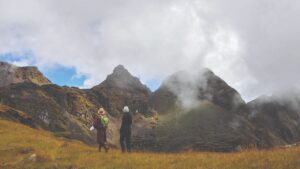
Days include monastery visits, village walks, shared meals, and time in open landscapes. The pace allows for reflection and genuine connection.
Because the itinerary goes beyond Paro and Thimphu, route permits and permissions are handled as part of the plan.
Special Mention: Punakha Tshechu Tour (13–14 April 2026)
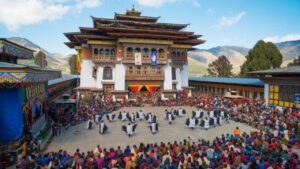
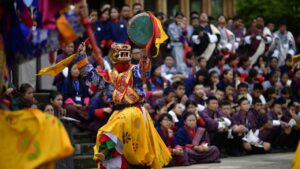
A highlight within this journey is the Punakha Tshechu, held at Punakha Dzong in April 2026. This is a living religious festival, not a staged performance.
Visitors witness:
- Masked dances by monks
- Ritual music filling the dzong courtyard
- Local families in traditional dress
- Ceremonies passed down through generations
Since Punakha lies outside the standard permit zone, logistics and approvals are arranged in advance.
Festival Travel Requires Early Planning
Bhutanese festivals follow the lunar calendar, so dates change each year. Even small shifts affect permits, hotels, and routes.
Festival towns fill quickly, sometimes months in advance. These events are spiritual gatherings first, not tourist shows.
Travelers who plan early gain more than good views. They gain time, space, and a deeper understanding of Bhutanese life.
Private and Affordable Travel Choices
Bhutan is often labeled expensive, but cost depends on travel style.
Some travelers prefer private tours with flexible pacing. Others choose budget-focused itineraries covering essentials.
As a government-certified Bhutanese operator, Thunphel Bhutan Travels supports ethical tourism while offering both private and affordable options. Their focus on responsible travel and on-ground support helps visitors navigate an unfamiliar system with ease.
Thinking Points Before You Book
Before committing, pause and reflect.
Is the Sustainable Development Fee worth paying?
Yes. The SDF supports healthcare, education, and environmental protection. It protects the landscapes and traditions visitors come to experience.
Do you want fast sightseeing or deeper cultural moments?
Bhutan rewards slow travel. Fewer places with more time often create richer experiences.
Can you manage permits independently?
It’s possible, but time-consuming. Travel beyond Paro and Thimphu adds complexity.
Would guided travel reduce stress?
For first-time visitors and festival travelers, guided support often improves the experience.
Bhutan does not open itself to hurried travelers. It opens slowly to those willing to understand its pace, rules, and values.
Once the Bhutan entry permit for Indians makes sense, the real decision is no longer about entry. It is about how present you want to be once you arrive.