If you want the most stunning nature things to do in Bhutan, you should plan around seven outdoor moments that make you stop mid-step and just stare.
Bhutan is not a place where you sprint from sight to sight. It rewards slow travel. It rewards early mornings. And it rewards people who plan one level deeper than “show up and see what happens.” So let’s make your choices easy, especially if you are also thinking: “Do I need a guide?” “Is this worth the money?” “Will I be fit enough?”
A simple way to keep it stress-free is to start with a ready itinerary like the Happiness Bhutan Tour by Thunphel Bhutan Travels or go bigger with Bhutan Trekking Adventures.
Thunphel’s Happiness Bhutan Tour includes a dedicated day for the Taktsang monastery hike. Their trekking category also highlights adventures like Druk Path Trek, Dagala Thousand Lakes Trek, river rafting, mountain biking, and wildlife expeditions.
1) Hike To Tiger’s Nest For The Cliffside Forest Views
Tiger’s Nest is famous for culture, but nature is what hits first. You walk through pine forest, you hear birds, and you feel the valley drop away beneath you. Then the monastery appears on the cliff like it is glued to the rock.
The big decision moment is simple: “Is this trek okay for beginners?” Most first-timers can do it. It is not technical. It is steep in parts, and you need patience.
The official Paro Taktsang site says the monastery sits at 3,120 meters above sea level. It also describes the hike time as around 3 to 4 hours to reach the monastery on foot.
To make the day easier, many travelers choose a structured itinerary that already places Tiger’s Nest in the right spot of the trip. Thunphel’s Happiness Bhutan Tour includes the Taktsang monastery hike day as part of the plan.
Helpful on-the-ground tips:
- Start slow for the first 20 minutes
- Carry water and a small snack
- Take short breaks, not long breaks
- Save energy for the last climb
2) Walk The Druk Path Trek For Ridge Lines And High Pass Air
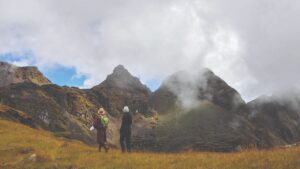
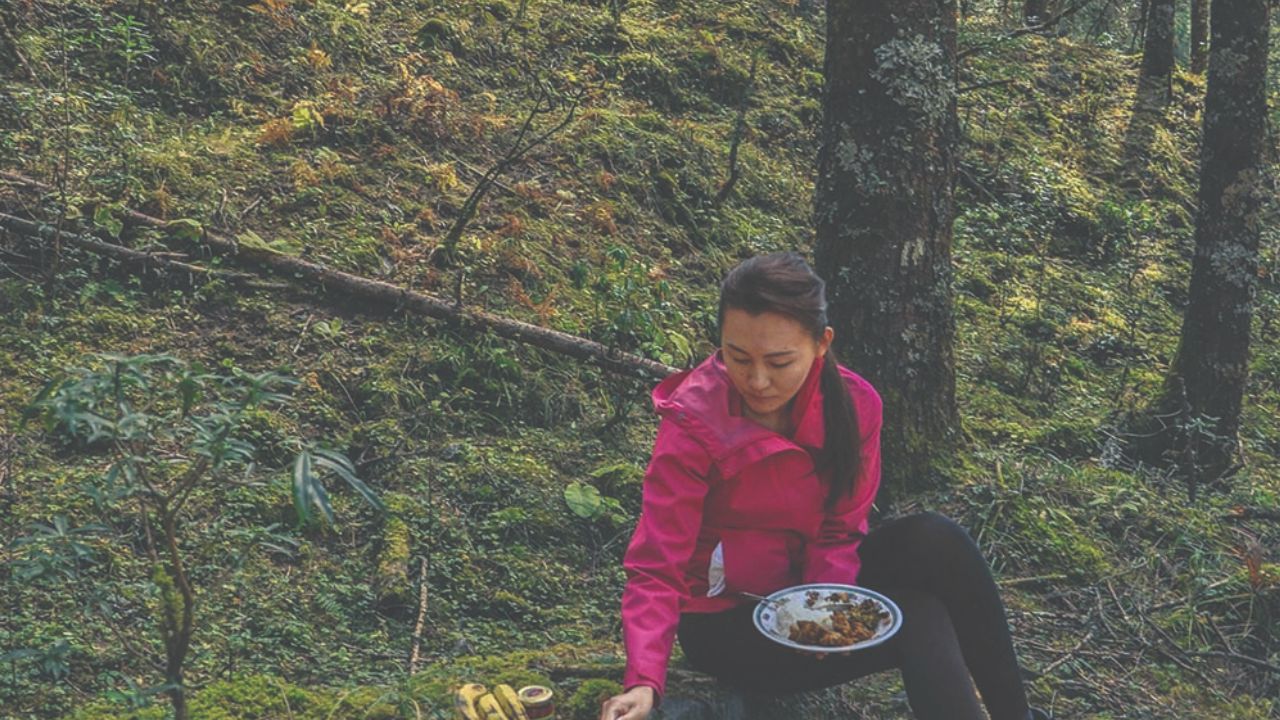
If you want nature that feels wide and wild, the Druk Path Trek is a strong pick. This is the kind of trail where clouds move fast, and the wind makes you zip your jacket even in the sun. You get forests, open ridges, and mountain passes.
The decision moment here is: “Do I really want a multi-day trek?” If you do, pick one that matches your fitness. Druk Path is often chosen because it is described as a moderate trek, not an extreme suffer-fest.
Thunphel’s Bhutan Trekking Adventures page lists the Druk Path Trek and describes it as a moderate trek through monasteries, rhododendron forests, and high mountain passes with Himalayan views.
What to think about before you book:
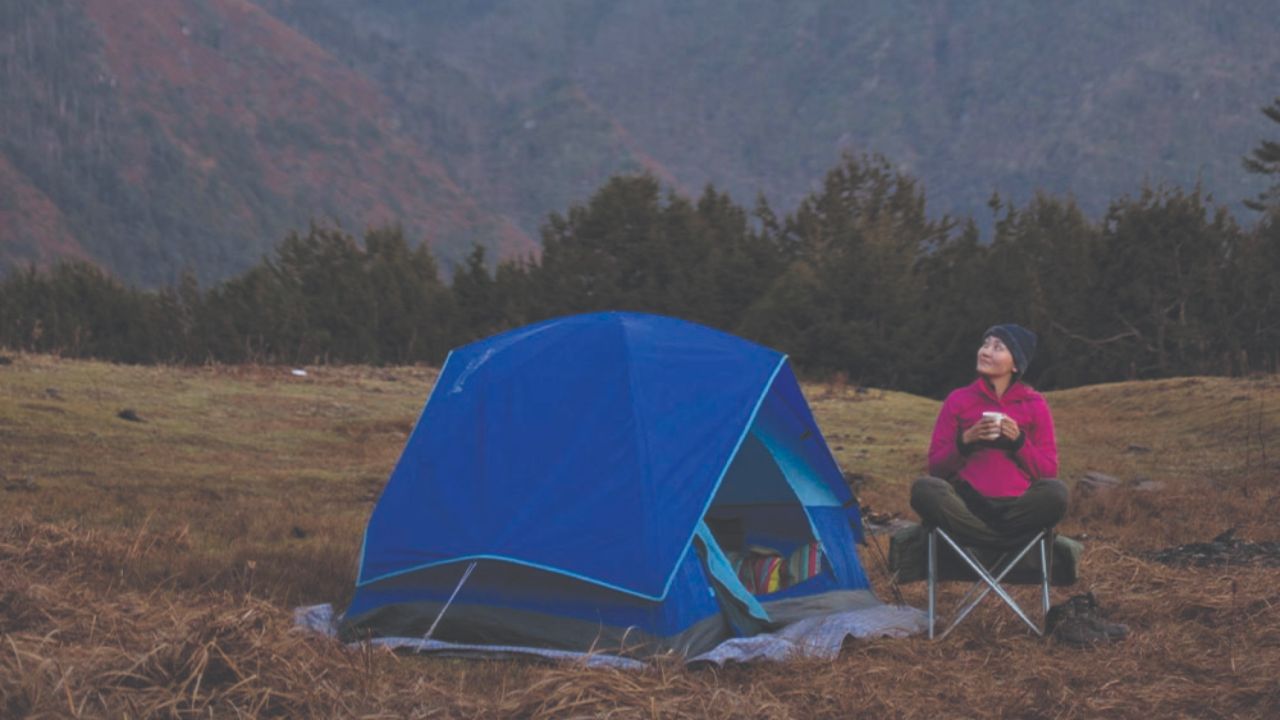
- Do you want camping, or lodge-style nights?
- Are you okay with colder nights at altitude?
- Do you prefer a short trek or a longer push?
If you are chasing unique things to do in Bhutan this summer, a mid-altitude trek like this can feel fresh and green, especially when trails are lined with flowers.
Source: Department of Tourism
3) Chase Alpine Lakes On The Dagala Thousand Lakes Trek
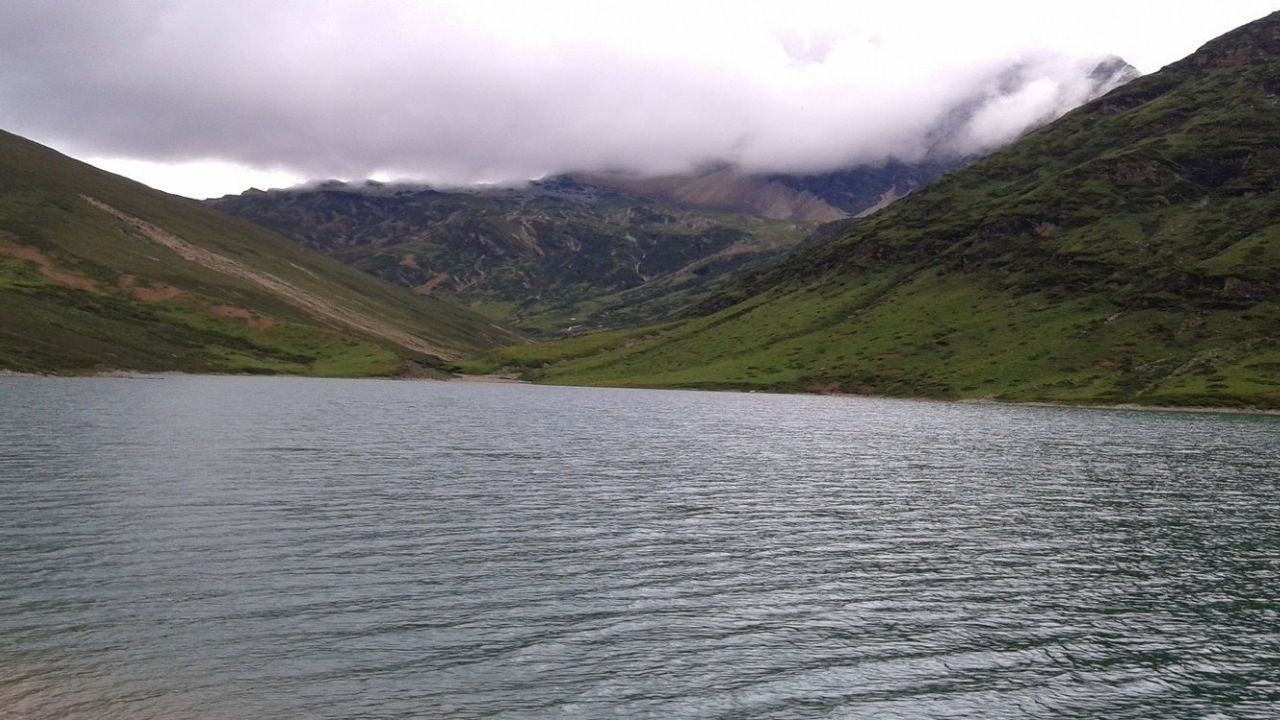
Some places look like they belong on a postcard. Dagala feels like that. You hike into high meadows, and then lakes start showing up like scattered mirrors. It is quiet up there in a way cities never understand.
The key decision moment is: “Is this worth the money?” For many people, yes, because the scenery is not a quick roadside stop. You earn it. And when you earn it, it stays in your memory.
Thunphel lists the Dagala Thousand Lakes Trek as a lesser-known trek featuring crystal-clear alpine lakes, yak herder camps, and wide mountain views.
Bring a few reliable items that make lake treks easier:
- A light rain jacket
- Sunscreen and lip balm
- A water bottle you can refill
- Blister patches
- A compact power bank for photos
4) Spot Rare Wildlife In Jigme Dorji National Park
If you love wildlife, Bhutan can feel like a secret garden. But wildlife is not a zoo. It runs on its own clock. Your goal should not be “I will see a snow leopard.” A better goal is to place yourself in the right habitat, with patience and awareness.
Jigme Dorji National Park is one of Bhutan’s largest conservation landscapes. It stretches across alpine mountains, deep forests, and remote valleys. The park is known for its rich biodiversity and fragile ecosystems.
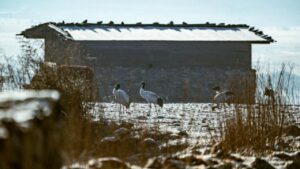
Conservation experts note that the region supports rare Himalayan species such as the snow leopard, Bengal tiger, and Bhutan’s national animal, the takin. During winter, valleys like Phobjikha Valley also welcome the elegant Black‑necked crane.
Wildlife sightings are never guaranteed. Yet trekking through protected forests and high mountain habitats gives you a real sense of Bhutan’s untouched wilderness. Even when large animals remain hidden, the forests are alive with birds, fresh tracks, and quiet natural drama.
Realistic thinking points before planning wildlife time:
- Are you happy spotting birds, tracks, and smaller animals too?
- Do you have patience for slow days and quiet walks?
- Would you prefer wildlife as a short excursion rather than a full trek?
If you answer yes to these questions, wildlife exploration may become one of the most memorable parts of your Bhutan journey. Sometimes the best moment is not spotting a rare animal. It is standing quietly in a forest that still feels wild.
5) Watch Black-Necked Cranes In Phobjikha Valley

Source: Department of Tourism
Phobjikha Valley feels like a soft bowl of land. It is open, wide, and peaceful. In winter, it becomes famous for black-necked cranes that migrate to the valley.
The decision moment here is timing. “Will I be there in the right season?” Several travel sources note crane season is generally late October to March, with the strongest window often in winter.
This is a nature experience that works even if you do not want a hard trek. You can walk gentle trails, visit viewpoints, and still feel fully in the landscape. It also fits well in broader itineraries, which is why people often pair it with a cultural route like the Happiness Bhutan Tour style of travel.
Small things that make crane watching better:
- Bring binoculars if you have them
- Wear quiet colors and move slowly
- Keep your voice low around wetlands
- Plan a morning visit for calmer light
6) Try River Rafting And Kayaking In Punakha

Source: Department of Tourism
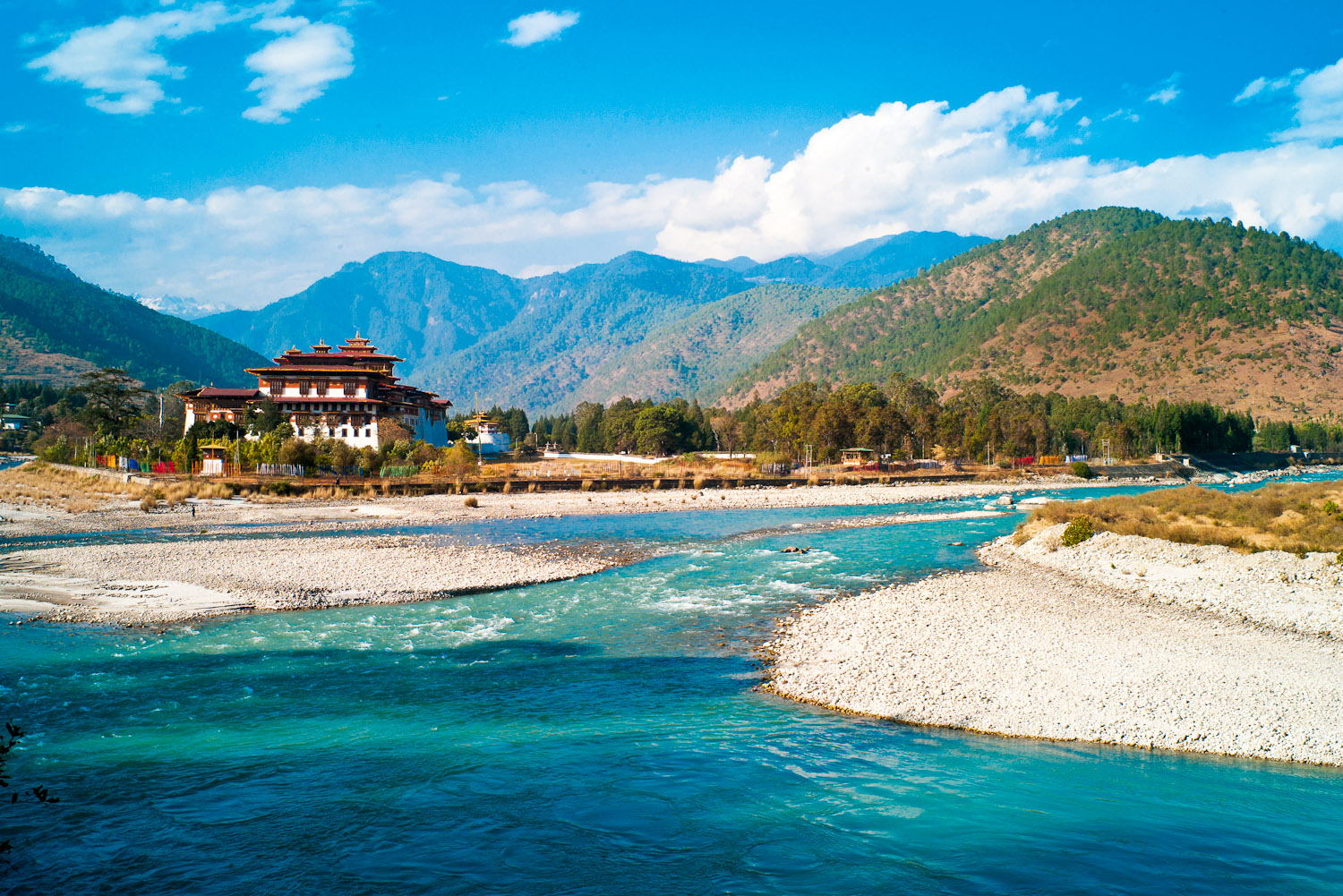
If you want a nature day that is playful, choose water. Punakha’s rivers give you that mix of thrill and scenery, with mountains and forests all around. You can go gentle or more intense based on the river stretch and your comfort.
There are many adventures you can opt for, like the River Rafting & Kayaking as an experience option, describing rapids that range from gentle flows to challenging whitewater.
For extra detail, Bhutan activity guides describe Punakha rafting on rivers like Pho Chhu and Mo Chhu, with sections that can include stronger rapids on Pho Chhu and calmer stretches on Mo Chhu.
Before you book, ask yourself:
- Do you want calm rafting or bigger rapids?
- Are you okay getting wet and cold for a bit?
- Would you rather do rafting as a half-day add-on?
For many travelers, this is the perfect “middle day” between hikes.
7) Mountain Bike Through Valleys For That Fast, Fresh Air Feeling
Bhutan on a bike feels different. You cover more ground than walking, but you still feel the wind, the scents, and the small village life. It is one of those days where you come back dusty, tired, and smiling.
Thunphel’s trekking adventures page lists Mountain Biking and notes there are routes suited to different skill levels.
The decision moment here is comfort. “Am I confident on a bike?” You do not need to be an expert. But you should be honest about your balance and your fear level on downhills. A good operator will match you to the right route.
A simple checklist for biking days:
- Wear padded cycling shorts if you have them
- Bring sunglasses to block dust
- Carry water, even on short rides
- Pack a light layer for wind
8). Soak in a Bhutanese Hot Stone Bath After a Long Day of Exploring
Soruce: Department of Tourism
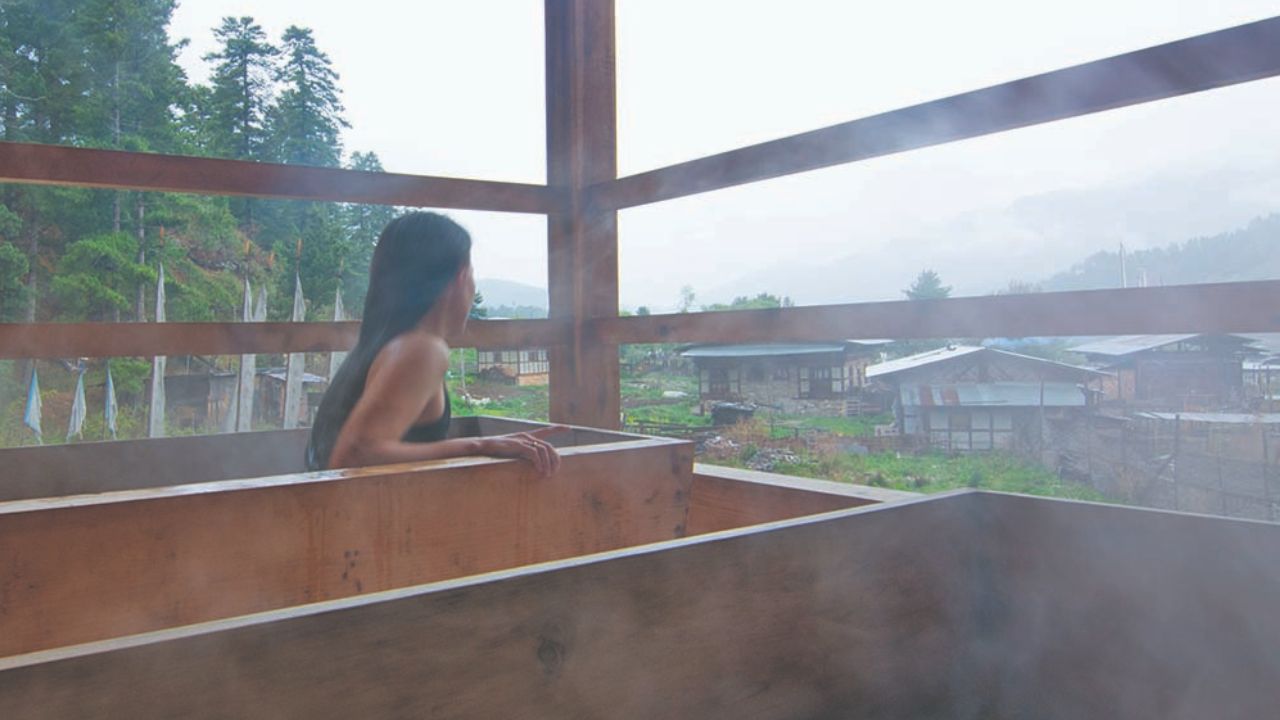
After a long hike or travel day, few things feel better than warm water and quiet mountain air. A Bhutanese hot stone bath is one of the country’s oldest wellness traditions. Locals have used it for generations to relax tired muscles and restore energy.
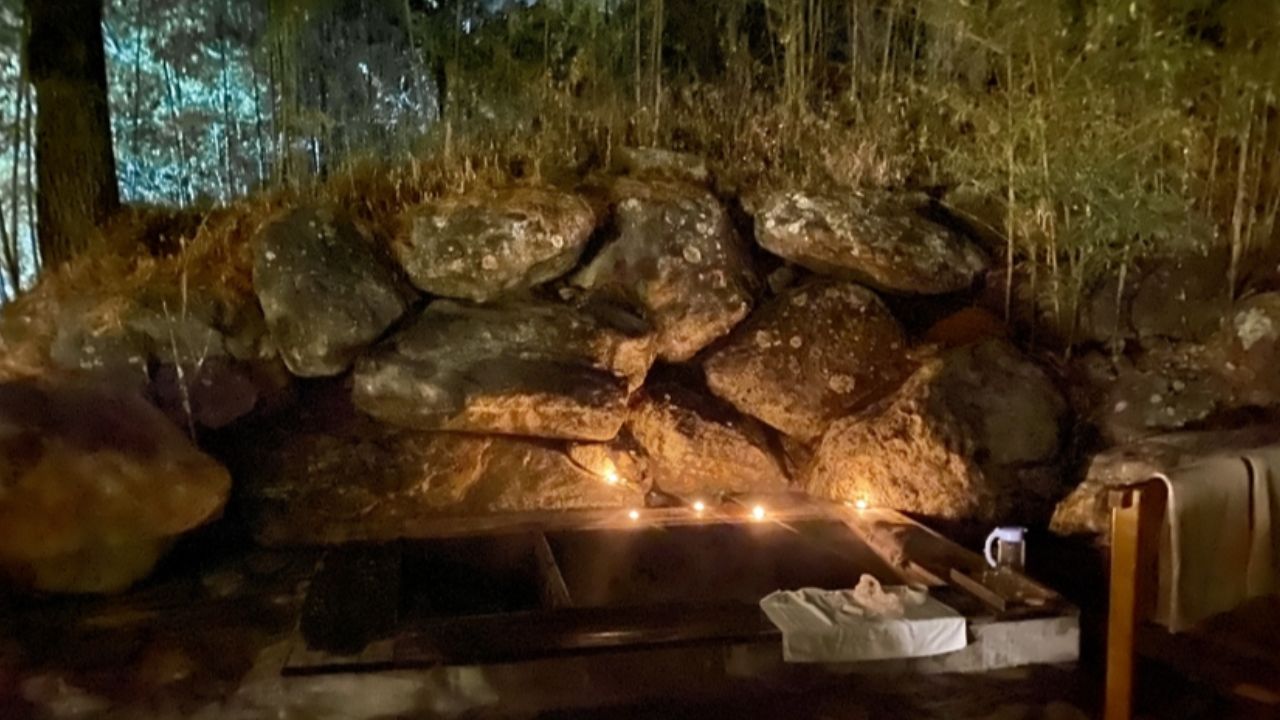
The process is simple but fascinating. River stones are heated in a fire until they glow red. These stones are then placed in a wooden tub filled with fresh water. As the hot stones touch the water, they slowly release heat and minerals. The bath warms naturally, creating a calm and deeply soothing soak.
The real question many travelers ask is simple. “Is it worth trying something so traditional?” Most visitors say yes after their first experience. The warmth sinks into sore legs, especially if you have just hiked to Tiger’s Nest Monastery or explored Bhutan’s valleys all day.
A few small tips can make the experience even better:
- Drink water before and after the bath
- Keep the soak around 20 to 30 minutes
- Bring a towel and comfortable clothes
- Let your body cool slowly after the bath
It may look simple, but many travelers say this quiet ritual becomes one of the most memorable moments of their Bhutan journey. Sometimes the best travel memory is not a big sight. It is a quiet moment where your body finally relaxes.
Source: Department of Tourism
How To Choose The Right Mix Of Things To Do In Bhutan
People often try to do too much. Then they feel rushed, and Bhutan loses its magic. The better move is to pick a base itinerary, then add one or two nature upgrades.
A calm planning approach with Thunphel Bhutan Travels looks like this:
- Start with the Happiness Bhutan Tour if you want a balanced route that includes Tiger’s Nest in the plan
- Use Tours & Excursion to add nature experiences without turning your trip into a full trek
- Choose Bhutan Trekking Adventures if you want multi-day trails, lakes, wildlife, biking, or rafting in a focused way
Now the real question: “Do I really need a guide?” If you want remote nature, it is smart. It saves you from wrong turns, bad timing, and missed permits. It also turns the landscape into a story, not just a backdrop.
Key Takeaways To Keep Your Plan Simple
You do not need a giant checklist. You need a clean mix of effort, rest, and scenery. That is what makes these things to do in Bhutan feel rich, not rushed.
- Choose one iconic hike: Tiger’s Nest is steep, but doable with pacing
- Add one high-country trek: Druk Path or Dagala if you want lakes and passes
- Pick one wildlife moment: Jigme Dorji National Park is a strong habitat zone
- Add one gentle valley day: Phobjikha is peaceful and seasonal for cranes
- Balance with fun: rafting or biking keeps the trip light and alive
And if you only remember one planning rule, remember this. Bhutan feels best when you leave space for silence, slow walks, and a few surprises. When you picture your trip, what would you rather bring home, a packed schedule or a few nature moments you can still feel in your bones months later?