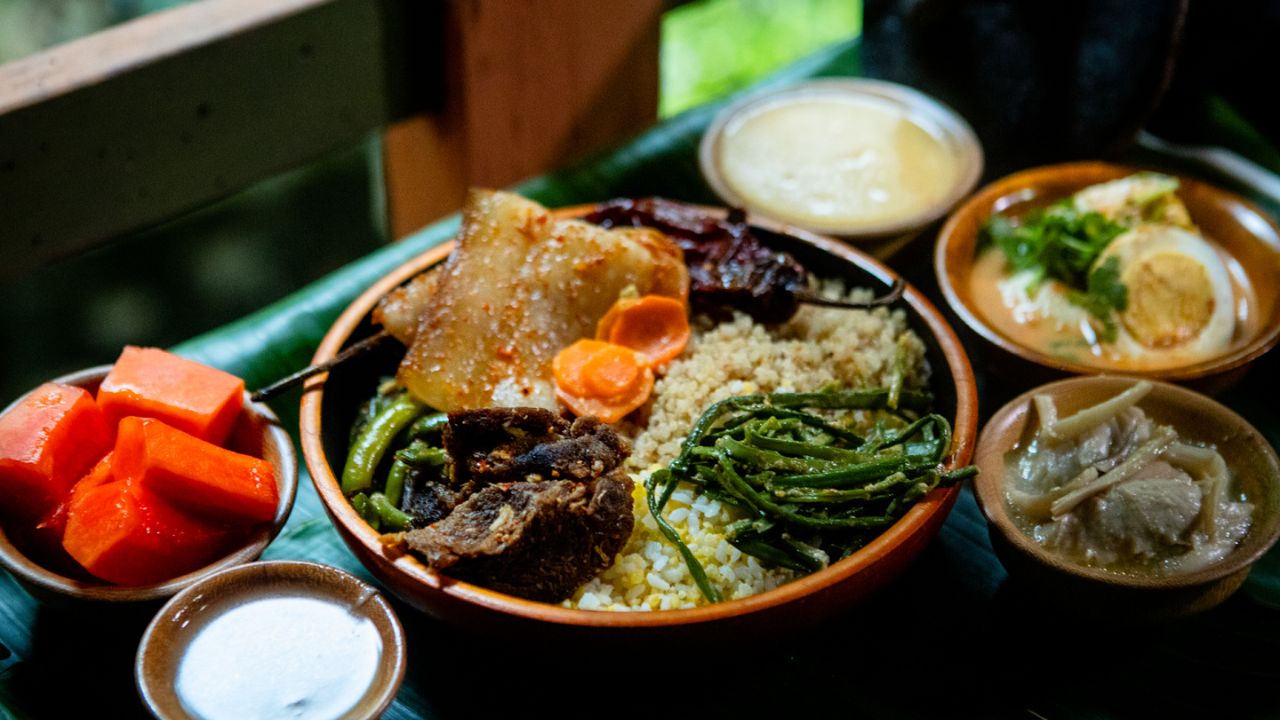
If you are new to Bhutan, the easiest way to understand its culture is through its food, shared slowly, often, and with deep pride.
You are not just eating meals here. You are stepping into homes, temples, festivals, and forests. If you are planning a journey pair your visit with Thunphel Bhutan Travels, these food experiences come naturally along the way. You do not need to chase them. They meet you where you are.
Let us walk through what you will actually taste, feel, and question as a first-time visitor. And yes, we will talk about whether this is beginner-friendly, worth the money, and safe for your plate.
1. Eating Ema Datshi the Way Locals Do
This is the first dish most travelers hear about, and for good reason. Ema Datshi is not a side dish. It is the soul of Bhutanese kitchens.
You eat it hot. Very hot. Fresh green chilies swim in soft local cheese. The spice hits first. Then the creaminess follows. Locals eat it daily, often without rice breaks.
As a beginner, you may wonder if it is too spicy. That is a fair fear. The good news is that tour kitchens adjust the heat without killing the taste.
What makes this experience unforgettable
- You eat it in family-style settings, not restaurants
- Hosts explain why chilies are vegetables here
- You learn how spice tolerance grows, bite by bite
During guided tours like the Happiness Bhutan Tour, meals are paced and explained. You are never rushed or left guessing.
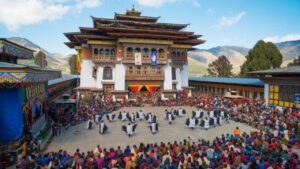
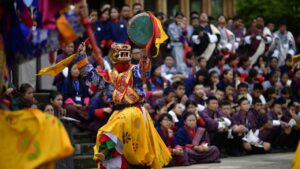
2. Festival Food During a Bhutan Festival Tour
Credit: Department of Tourism
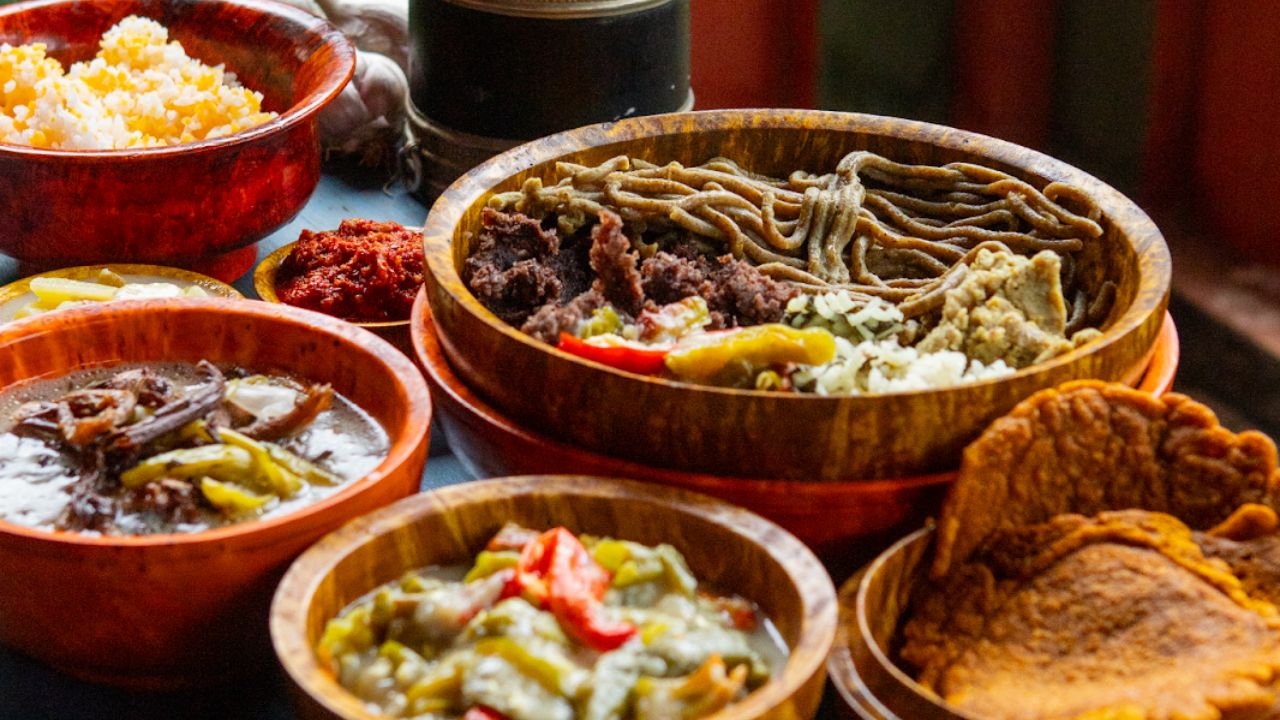
If you want food with noise, color, and joy, this is where you find it. Festival days change how people cook.
Large pots bubble from morning. Rice dishes stretch wider. Fried snacks appear everywhere. Butter tea flows nonstop.
On a Bhutan Festival Tour, food is not scheduled. It happens around dances, rituals, and long conversations.
You will taste:
- Freshly fried momos handed over in paper
- Sweet rice snacks made once a year
- Warm tea shared with strangers who feel like cousins
You might ask yourself, is festival food safe for beginners? Yes, absolutely you can enjoy as many dishes as you like. For a unique experience where you can enjoy customized itineraries you should pair your visit with Thunphel Bhutan Travels.
3. Red Rice Meals in Rural Homes
Red rice looks simple. Do not underestimate it.
This nutty, earthy grain grows in Bhutan’s high valleys. It cooks fast and fills you without heaviness. Locals build meals around it, not the other way around.
Eating red rice in a village home changes your pace. Conversations slow down. You sit cross-legged. Food is served without ceremony but with care.
Why beginners love this experience:
- The flavors are mild and comforting
- Meals feel personal, not commercial
- You understand daily Bhutanese life through food
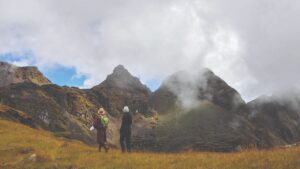
Tours that move through forested regions and farming areas often include these meals as part of cultural immersion services.
4. Butter Tea That Tests Your Assumptions
Butter tea is not love at first sip for everyone. That is normal.
It tastes salty. Slightly smoky. Thick. It warms you instantly, especially in cold mountain air.
You will first encounter it in monasteries or rural homes. Refusing it feels wrong. Accepting it feels brave.
Most beginners ask, do I really need to drink this? You do not need to love it. But tasting it once helps you understand altitude.
A few honest tips:
- Take small sips at first
- Drink it warm, never cold
- Think comfort, not refreshment
Guides often explain when and why locals drink it, which makes the experience less shocking and more meaningful
5. Market Walks and Simple Street Snacks
Bhutan does not have loud street food scenes. Instead, markets offer quiet discoveries.
You walk past baskets of dried chilies. Cheese wrapped in cloth. Homemade snacks stacked neatly.
Trying food here feels safe because it is local food for locals, not rushed tourist bites.
You may taste:
- Fried rice snacks sold by weight
- Simple pancakes cooked on flat pans
- Seasonal fruits you will not find elsewhere
Beginners often worry about hygiene. Guided market visits solve that concern. Your guide knows which stalls families trust.
6. Learning Food Through Handicraft Villages
In Bhutan, food and craft are part of the same daily rhythm, not separate experiences. In villages known for weaving and traditional handicrafts, work and meals happen under the same roof. The same people who spend hours at the loom also prepare the family’s food. Nothing is segmented or staged.
As a visitor, you are usually welcomed into a working home. You may see a loom set up in one corner, half-finished textiles resting nearby, or someone weaving earlier in the day. Meals are cooked in the same space, using whatever the season offers. You eat what the household eats, at the time they eat it.
The food itself is simple and honest. Red rice, vegetables, chilies, and cheese-based dishes are common. There is no attempt to impress. Yet the setting changes how the meal feels. Eating while daily work continues around you makes the experience quietly memorable.
Why this experience feels authentic
- Food is shared through conversation, not explained through menus
- You see how meals fit naturally into workdays, not tourist schedules
- Simple flavors make sense once you understand how people live and work
In many cultural travel itineraries, including those that pass through craft-focused villages, this kind of meal is part of the journey rather than an added activity. It does not feel like a performance. It feels like being allowed into someone’s everyday life, even if only for an hour.
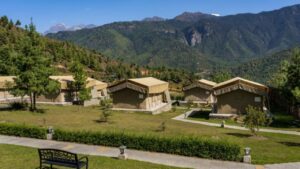
7. Slow Dining on the Happiness Bhutan Tour
This is where all food experiences come together. Not rushed. Not stacked.
The Happiness Bhutan Tour focuses on balance. Nature, people, and meals move at the same speed.
You eat in quiet places. Forest views. Riverside stops. Small dining rooms with windows open.
This is where beginners stop worrying about spice, price, or value. Everything feels guided but free.
Many travelers ask, is this worth the money? When meals feel like moments instead of stops, the answer becomes clear.
This kind of journey also gives you repeated exposure to Bhutan food, allowing your taste buds to adapt naturally instead of all at once.
Top Bhutanese Dishes Beginners Should Know
Credit: Department of Tourism
To ground the experience, here are the dishes you are most likely to encounter. You do not need to remember everything. Knowing the names alone builds confidence when food is served.
- Ema Datshi
Bhutan’s national dish made with chilies and local cheese. Spicy but creamy, and often served milder for beginners. - Red Rice
A nutty, slightly chewy grain grown in Bhutan. It appears in most meals and balances stronger flavors well. - Phaksha Paa
Pork cooked with chilies and vegetables. Rich in taste but surprisingly balanced. - Jasha Maroo
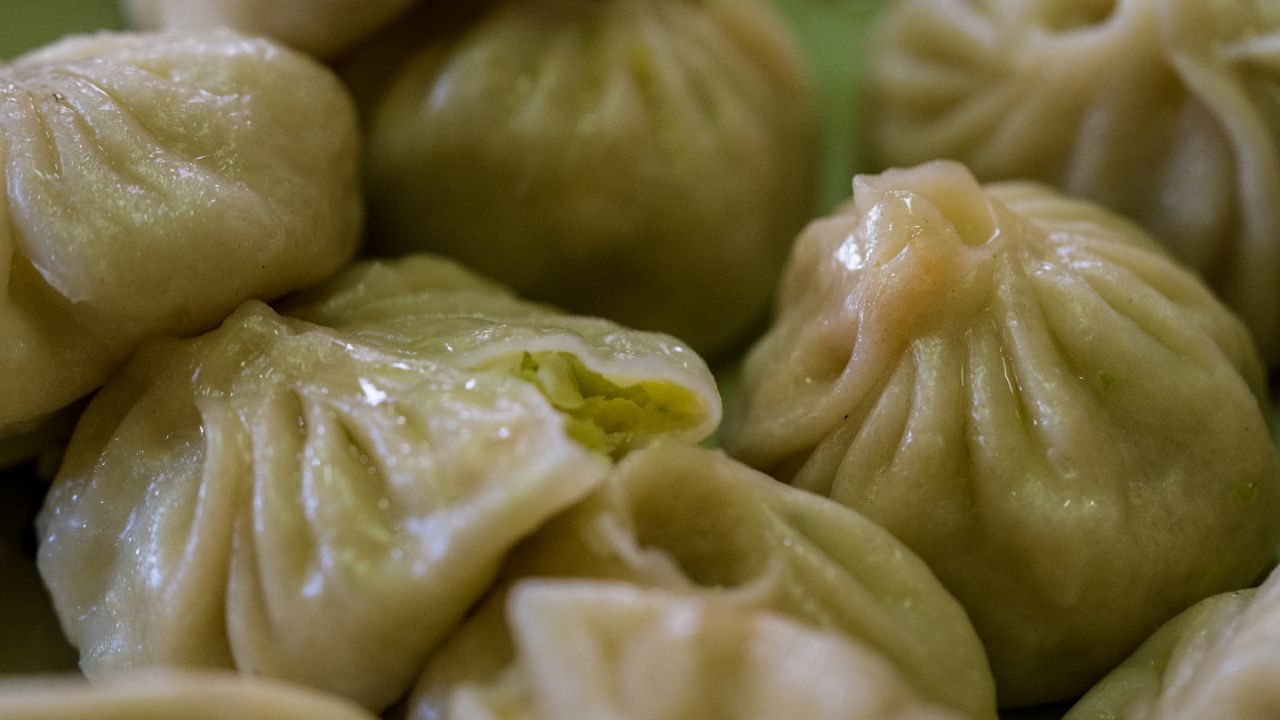
A light chicken stew that is gentle on the stomach and easy to enjoy. - Momos
Steamed dumplings filled with vegetables or meat. Familiar, comforting, and widely loved. - Hoentay
Buckwheat dumplings, usually seasonal. You may not see them often, which makes them special. - Suja
Traditional butter tea, salty and warming. It reflects how locals eat in mountain climates.
Recognizing these dishes makes each meal feel less uncertain and more inviting, especially on your first visit to Bhutan.
Why Food Experiences Matter More Than You Expect
Food shapes memory. You may forget temple names. You will remember tastes.
Bhutan does not overwhelm you with options. It invites you to slow down. Eat less. Feel more.
These seven experiences do not demand bravery. They reward curiosity. For beginners, that balance matters.
If you arrive open-minded, guided well, and willing to taste without judgment, you leave with stories that last longer than photos. That is the quiet power of bhutan food when experienced the right way.
So when you imagine yourself planning this journey, ask one last question.
Are you traveling just to see Bhutan, or are you ready to sit down and truly taste it?
Thinking Points Beginners Always Have
Before booking, most people run through the same questions in their heads. Let us address them honestly.
Is Bhutanese food too spicy for beginners?
Some dishes are spicy, yes. But tours adjust heat levels. You are never forced to eat extreme food.
Will I get sick trying local food?
When you travel with experienced operators like Thunphel Bhutan Travels, meals are chosen carefully. Clean kitchens and safe water are prioritized.
Do I really need a guided food experience?
If you want context, comfort, and trust, yes. Food without explanation feels incomplete here.
Is this more than just eating?
Absolutely. You learn history, geography, and values through each meal.