Bhutan’s mountains are stunning, but you cannot climb Bhutan’s high peaks, and that ban is exactly why trekking here feels so rare, clean, and deeply human.
If you’re wondering whether Bhutan is still worth it without summit climbing, the answer is yes, because the country replaces peak-bagging with sacred landscapes, high passes, quiet trails, and guided journeys like Bhutan Trekking Adventures from Thunphel Bhutan Travels.
Here’s What You Need to Know About Bhutan Mountains and Climbing Bans
Source: Department of Tourism
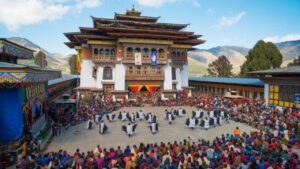
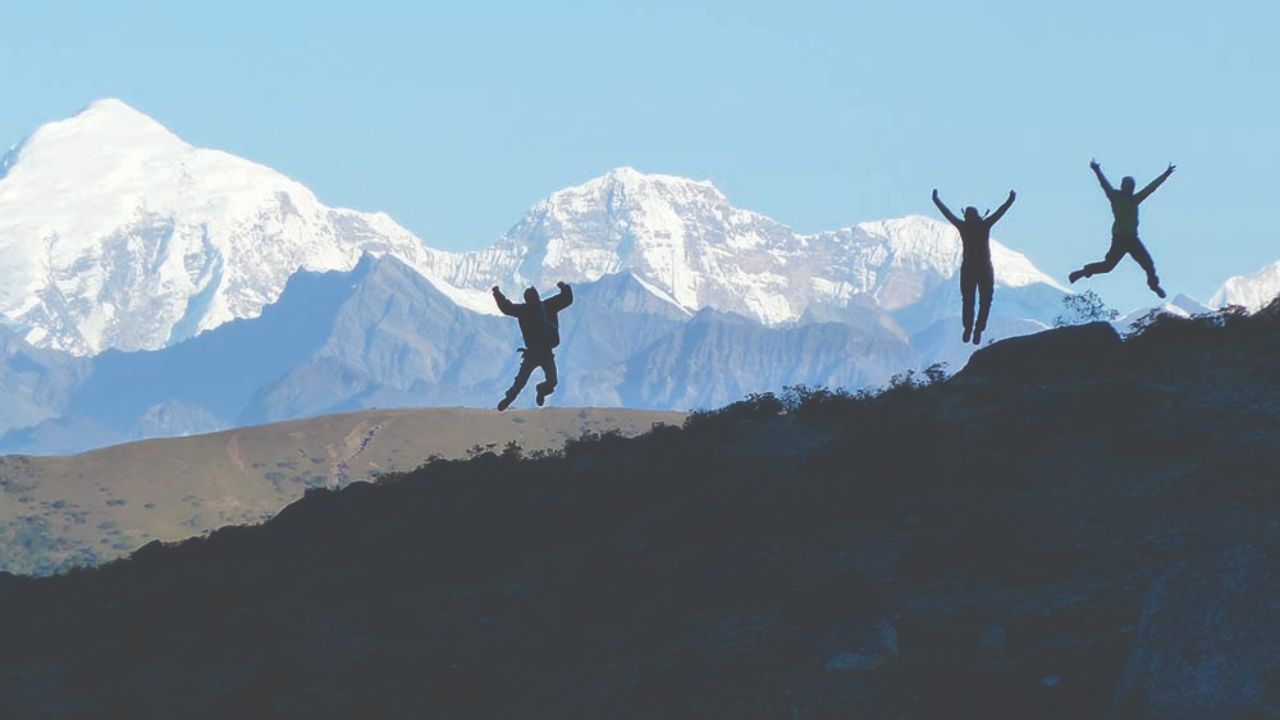
When most people hear “Himalayas,” they think of summit flags, ice axes, and brutal climbs. Bhutan flips that idea on its head. Here, the high mountains are not trophies. They are sacred places, protected by belief, law, and a tourism model that values culture and nature over bragging rights.
That changes the whole travel decision for you. You do not come to Bhutan to conquer a peak. You come to walk through valleys, cross high passes, sleep under cold stars, and feel small in the best way. If that sounds more meaningful than another crowded mountain route, Bhutan may be the trip you have been looking for.
Bhutan mountain truth #1: Many famous peaks are off-limits
The first shock is simple. Bhutan banned climbing above 6,000 meters in 1994, and then banned mountaineering on all peaks in 2003. So if you dream of standing on a Bhutan summit, the hard truth is that you cannot legally do it.
And no, this is not a temporary rule or a weather-season rule. It is part of how Bhutan chooses to protect its land and identity. That may sound strict at first, but once you understand the “why,” the policy starts to make a lot more sense.
Bhutan mountain truth #2: The ban is rooted in belief, not just bureaucracy
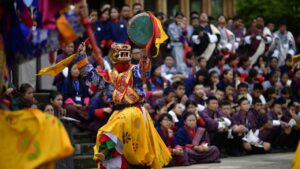
In Bhutan, many mountains are seen as sacred homes of deities and spirits. So the climbing ban is not just a safety memo from a tourism office. It reflects a cultural idea that some places should be respected, not stepped on.
This matters if you’re planning a trek. You’re not entering a mountain playground built for outsiders. you’re entering a living cultural landscape. That is one reason guided trekking feels so valuable here. A good local operator does more than book camps. They help you understand what you’re seeing and how to move through it with respect.
Bhutan mountain truth #3: The world’s highest unclimbed peak is here
Gangkhar Puensum, Bhutan’s highest mountain, rises to 7,570 meters and is widely described as the world’s highest unclimbed mountain. That single fact gives Bhutan a strange kind of mountain fame. In a world obsessed with firsts, fastest times, and summit selfies, Bhutan protects one of the greatest peaks by leaving it alone.
There is something powerful in that. You do not need to touch every wild place to value it. In fact, Bhutan’s mountain policy suggests the opposite. If you’re tired of travel that feels loud, rushed, and overused, this one fact alone makes Bhutan stand out.
Bhutan mountain truth #4: Trekking is the real adventure here
Source: Department of Tourism
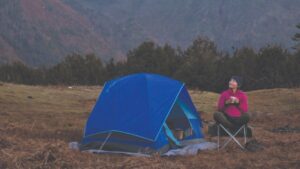
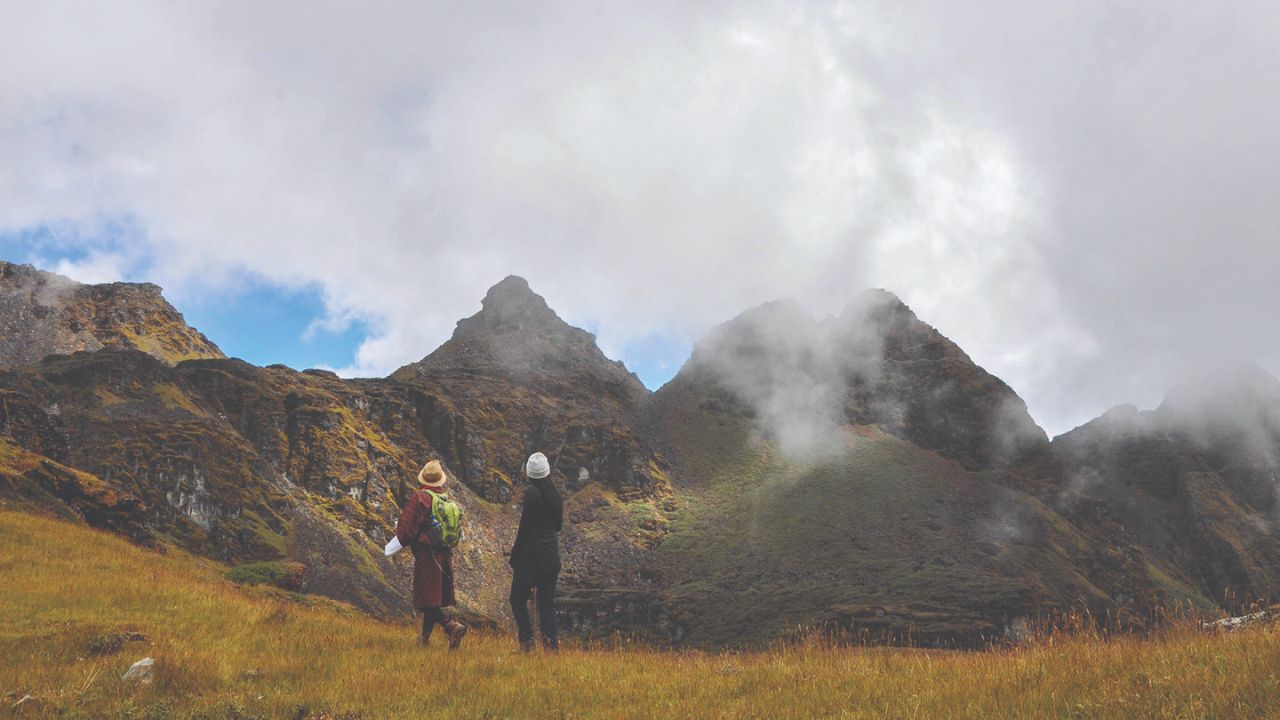
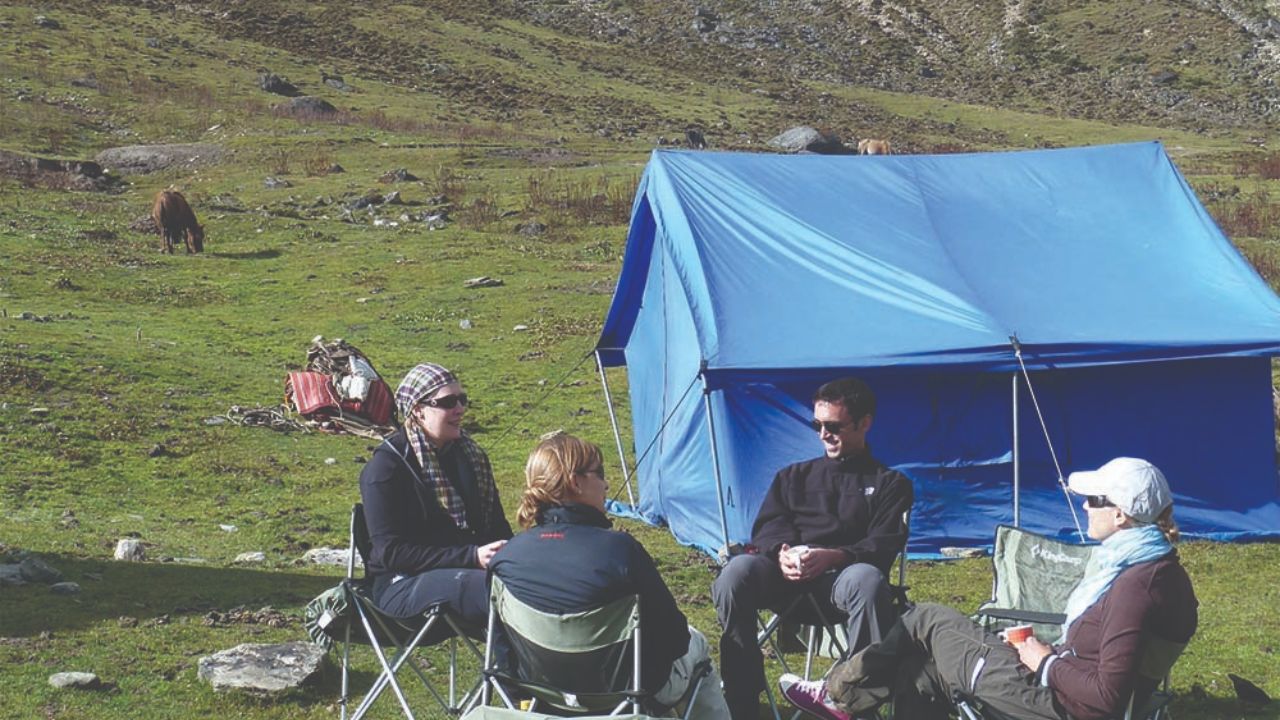
Here is the part many travelers miss. Bhutan does not shut the door on mountain travel. It simply redirects you from climbing to trekking. That means you can still walk through dramatic alpine country, reach high camps, cross major passes, and see sacred peaks without climbing them.
This is where Bhutan Trekking Adventures becomes a smart choice. Thunphel Bhutan Travels offers guided trekking routes that include options like the Druk Path Trek, Jomolhari Trek, Dagala Thousand Lakes Trek, etc. Check out: Tour Packages
You’ll have a customized itinerary which’ll consist of guides, accommodation, meals, logistical support, and permit help as part of its trekking packages.
So, is this trek okay for beginners? Sometimes, yes. Thunphel Bhutan Travels trekking options are designed for both beginners and seasoned hikers, while routes like the Druk Path are described as moderate rather than technical. If you want mountain drama without ropes, this is the lane you should stay in.
Bhutan mountain truth #5: You still go high, and altitude is real
A climbing ban does not mean low altitude. Many Bhutan treks still go well above 4,000 meters, and some of its high-altitude trekking routes exceed 5,000 meters. So if you’re asking, “Will altitude be a problem?” The honest answer is that it can be, especially if you rush, overestimate your fitness, or treat the trek like a weekend walk.
That is why acclimatization matters so much. Thunphel’s trekking guidance highlights fitness, proper gear, the right season, and gradual altitude adjustment as key parts of preparation. I always think this is where travelers get humbled. A mountain trail does not care how many gym selfies you have. Thin air is the great truth-teller.
A few practical checkpoints help:
- Choose a trek that matches your real fitness, not your fantasy fitness.
- If you’re new to altitude, start with a moderate route instead of a brutal long expedition.
- Travel in spring or autumn, which Thunphel lists as the best trekking seasons in Bhutan.
- Let your guide control the pace, even if your ego wants to race uphill.
Bhutan mountain truth #6: A guide is not optional fluff here
Do you really need a guide? In Bhutan, the answer is yes in both a legal and practical sense for most organized travel, and local operators play a central role in arranging visas, permits, transport, and logistics. Join with Thunphel Bhutan Travels who manages visas and permits, offers licensed local guidance, and builds private, customizable itineraries.
That support is not just paperwork. It changes the feel of the trip. On a Bhutan trail, your guide helps with altitude pacing, camp rhythm, cultural etiquette, route context, and those little judgment calls that matter more than people think. When the weather turns, when your legs wobble, or when you wonder if the cost is worth it, that local support suddenly stops feeling like a luxury and starts feeling essential.
This is also why mentioning a reliable product matters. Bhutan Trekking Adventures is not just a page full of pretty mountain words. Thunphel presents it as a guided, structured trekking service with local expertise and customizable support, which is exactly what most travelers need in Bhutan’s mountain environment.
Bhutan mountain truth #7: The ban may make the whole experience better
This is the biggest surprise of all. The climbing ban does not weaken Bhutan’s appeal. It may strengthen it. Bhutan’s tourism model favors low-volume, high-value travel, and the mountain policy fits that bigger idea of protecting fragile ecosystems and cultural traditions. In plain English, fewer summit expeditions can mean cleaner landscapes, quieter trails, and a more meaningful experience for the people who do come.
You can feel that difference in the kind of trip being sold. Thunphel Bhutan Travels leans into authentic, tailor-made journeys, sustainable tourism, private tours, and guided trekking rather than summit-chasing spectacle. If you want the mountains without the circus, this is a strong argument for planning your trek through Bhutan Trekking Adventures instead of chasing an impossible climb.
What to think about before you book
A lot of people circle the same four doubts before Bhutan.
- Is this worth the money? Bhutan is not a cheap destination, but the value comes from permits, guided support, curated logistics, and access to a protected travel experience that feels far less crowded than many Himalayan regions.
- Can I do this if I am not a hardcore climber? Yes, because trekking, not mountaineering, is the point, and there are routes for different ability levels.
- Will I miss out because climbing is banned? Probably not, unless your only goal is standing on a summit. Most travelers come away remembering the trail, the silence, the monasteries, and the shape of the peaks at dawn.
- Should I plan it alone? Bhutan travel is smoother through a licensed operator, and Thunphel specifically highlights help with visas, permits, itinerary design, transport, and guided experiences.
If you’re serious about this trip, the smart next step is not to ask how to break the rules. It is to ask which legal trek matches your body, your budget, and your idea of awe. And maybe that is the real magic of a bhutan mountain journey: the peak stays untouched, but you still come back changed.