Taktsang Monastery Bhutan is a moderate, high-altitude hike that most travelers can complete in 2026 with the right timing, pace, and planning.
If you’re worried about difficulty, crowds, or whether it’s truly worth the effort, this guide answers that first, then walks you through every real decision you’ll face.
Taktsang Monastery Bhutan at a Glance
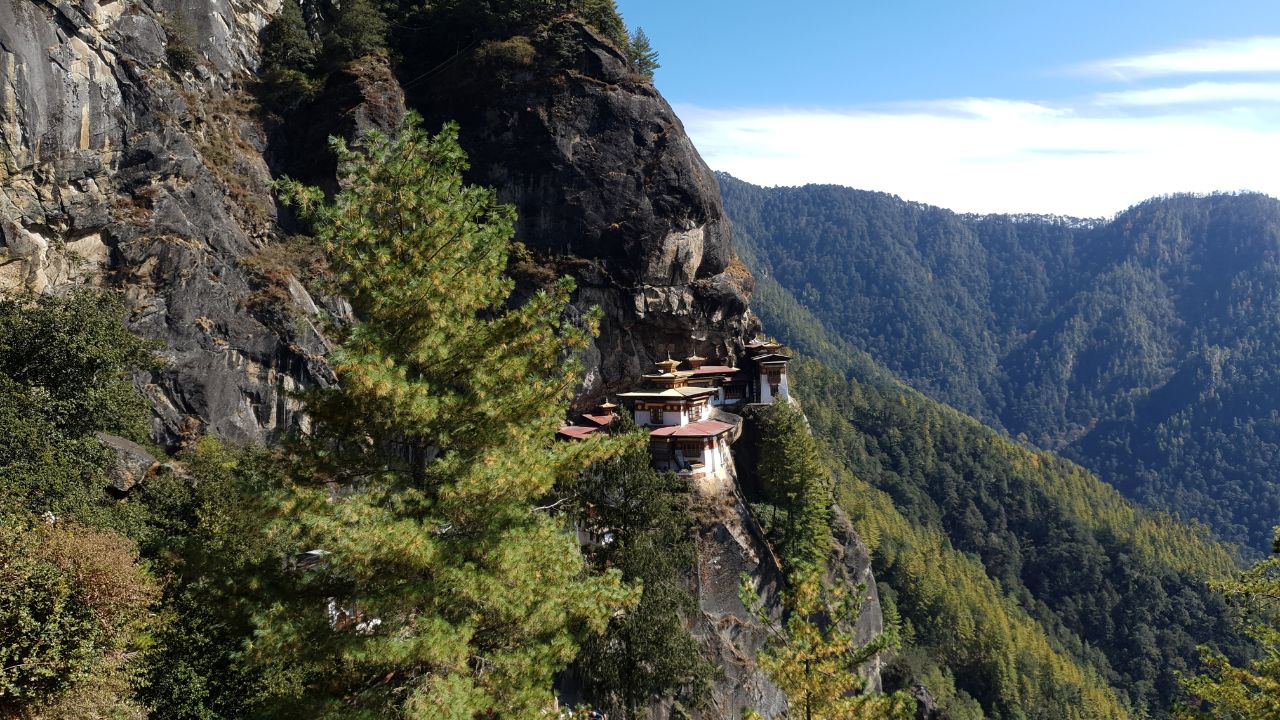
Credit: Department of tourism | Scarlette DG
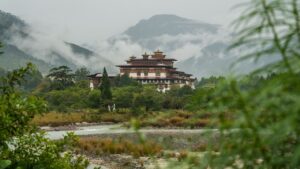
Taktsang Monastery Bhutan sits on a sheer cliff above the Paro Valley, at roughly 3,120 meters. it’s also called Tiger’s Nest Monastery. The hike is about 6 kilometers round trip and usually takes four to five hours.
This is not a technical trek. But it’s not a casual walk either. The steady climb and thin air slow everyone down.
What makes it special is not just the view. It’s the silence, the effort, and the feeling of arriving somewhere sacred rather than scenic.
Timings, Permits, and Entry Information
Taktsang Monastery Bhutan usually opens in the morning and closes by mid-afternoon. Last entry time matters, because the descent takes time and light fades early in winter.
Visitors must carry passports. Bhutan travel permits are arranged in advance and checked at the base. Cameras are not allowed inside the monastery buildings.
Pair your visit with Thunphel Bhutan Travels. We’ll take care of permits, timing, and the day’s pace without making a fuss. That way, you’re not checking details or worrying about plans. You’re just walking, breathing, and taking it all in.
Best Time to Visit Taktsang Monastery Bhutan in 2026
Season choice changes everything about this hike.
Spring offers clear skies and blooming forests. Autumn brings crisp air and long views. Summer is lush but wet. Winter is quiet but cold.
For 2026, the most balanced months are:
- March to May for stable weather
- September to November for clarity and culture
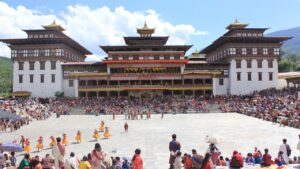
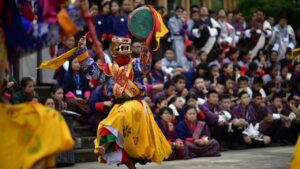
Many travelers link their visit with festivals like Punakha Tshechu, where masked dances and rituals add cultural depth. Doing Taktsang before or after the festival creates a natural rhythm between celebration and silence.
Step-by-Step Trek Overview
The hike to Taktsang Monastery Bhutan unfolds in stages. Knowing this helps mentally and physically.
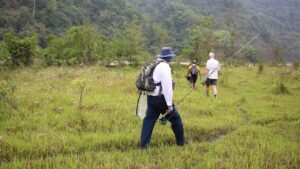
You begin at the forest trailhead. The first section climbs steadily through pine trees. This part feels gentle but long.
Midway, you reach a cafeteria area. Many people rest here. The monastery first appears across the valley from this point, which often lifts tired spirits.
The final section includes stone steps and a narrow descent before the last climb. This is the most demanding part, but also the most beautiful.
What to Pack and Wear for the Hike
Packing right reduces effort more than fitness.
Bring only what you need:
- Comfortable walking shoes with grip
- A light jacket for wind and shade
- Water and small snacks
- Sun protection
Avoid heavy bags. Avoid new shoes. And avoid rushing because others are faster. Everyone slows down here, even seasoned hikers.
Taktsang Monastery Bhutan Hidden Gems Along the Trail
Most visitors miss the small moments because they focus only on the monastery.
Along the trail, you’ll notice prayer wheels turning quietly. You may hear chanting drift from unseen corners. Some viewpoints offer better light than the main lookout.
Hidden highlights include:
- Small meditation caves set into rock walls
- Quiet forest sections with no foot traffic
- Natural frames for photos away from crowds
A good guide knows when to pause. That awareness often turns a hard hike into a memorable walk.
Tips to stay ahead of the Crowds and Plan Your Timing

Tips to Stay Ahead of the Crowds and Plan Your Timing
Crowds at Taktsang usually build by late morning. Starting early changes the whole experience. The trail feels quieter, the air stays cool, and you move without pressure from people behind you.
Tip 1: Start early, always
Begin the hike as soon as the trail opens. Early hours offer calm paths and better focus.
Tip 2: Pick weekdays when possible
Midweek visits move at a gentler pace. You wait less and hear more nature.
Tip 3: Plan around festival weeks, not against them
Festivals bring energy and visitors. During these periods, timing matters more than anything else. An early start keeps the walk relaxed.
Tentative Festival Timing to Keep in Mind (2026)
| Festival Name | Approximate Time | What This Means for Timing |
| Punakha Tshechu | Late Feb – Early Mar | Start the Taktsang hike early morning |
| Paro Tshechu | Late Mar – Early Apr | Reach the trail as soon as it opens |
| Thimphu Tshechu | Sep – Oct | Choose midweek mornings |
| Jambay Lhakhang Drup | October | Early starts keep the pace smooth |
Planning becomes easier within longer itineraries like the Happiness Bhutan Tour – 7 Nights | 8 Days, where Taktsang is placed after gentle acclimatization. Good pacing reduces stress and improves enjoyment.
How Taktsang Fits Into Broader Bhutan Journeys
How Taktsang Monastery Bhutan Fits Into a Larger Journey
Taktsang Monastery Bhutan feels stronger when it is not treated as a standalone activity. When placed thoughtfully within a wider trip, the hike becomes less about ticking a box and more about timing and readiness.
Pair Taktsang With a High-Altitude Nature Experience

Credit: Department of Tourism | Scarlette DG
If you enjoy walking in nature, consider adding the Bumdra Trek with Glamping either before or after Taktsang. This short overnight trek follows old paths once used by monks who lived above the valleys in quiet retreat.
The walk is slow and steady. Forests open into wide views. Nights are cold, but glamping services provide warm bedding and hot meals. You get rest without losing the raw mountain feel.
Why this pairing works:
- Your body adjusts better to altitude
- Your pace naturally slows down
- The Taktsang hike feels less demanding afterward
Many travelers say Taktsang feels calmer after spending a night in the mountains.
Balance the Hike With Cultural Depth at Punakha Tshechu
Credit: Department of Tourism | Carissa Nimah
Others prefer cultural immersion before silence. In that case, pairing Taktsang with Punakha Tshechu works well. This festival brings locals together through masked dances, music, and ritual.
Spending time at the festival helps you understand Bhutanese beliefs before stepping into a sacred space like Taktsang. You see faith practiced in public before experiencing it in solitude.
This pairing helps when:
- You want cultural context first
- You prefer easing into quiet experiences
- You enjoy festivals and community moments
The contrast often deepens the emotional impact of the monastery hike.
A well-planned Bhutan journey is not about doing more. It is about placing experiences in the right order so each one feels earned, not rushed.
Join us. Thunphel Bhutan Travels focuses on flow, not ticking boxes. That approach suits this hike well.
What Travelers Often Get Wrong
Many visitors make small planning mistakes that affect the day.
Common issues include:
- Scheduling Taktsang on the first day in Bhutan
- Starting the hike too late
- Ignoring weather forecasts
Another mistake is expecting comfort without effort. Taktsang asks something from you. That effort is part of why it stays meaningful.
Why Choose Thunphel Bhutan Travels for This Experience
Not all planning support feels the same on the ground.
Thunphel Bhutan Travels focuses on tailor-made journeys that reflect Bhutan’s culture and values. Their team handles visas, permits, guides, and daily pacing with care. You are treated like family, not a booking reference.
This level of support matters most on demanding days like Taktsang, where small details shape the experience.
A Final Thinking Point Before You Go
Taktsang Monastery Bhutan is not about how fast you climb or how perfect your photos look. it’s about slowing down enough to feel present in a place that values stillness.
So before you finalize your 2026 plans, ask yourself this quietly. Are you ready for a journey that asks for patience and gives clarity in return?
Top FAQs About Taktsang Monastery Bhutan
Is the hike okay for beginners?
Yes. The trail is clear and safe. However, always remember to walk slowly and take breaks. Almost all beginners complete it without trouble.
Will altitude be a problem?
You may feel breathless at times. This is normal. Rest often and drink water. Serious issues are rare.
Do I really need a guide?
No, it’s not required. A guide helps with pace, stories, and knowing where to stop.
Is this worth the effort and cost?
Yes. Many travelers say this is the most powerful moment of their Bhutan trip.