You don’t travel to Bhutan just to see mountains. You travel to feel stillness. And the place where that finally happens for you is Punakha Dzong.
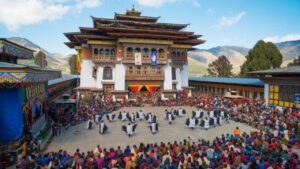
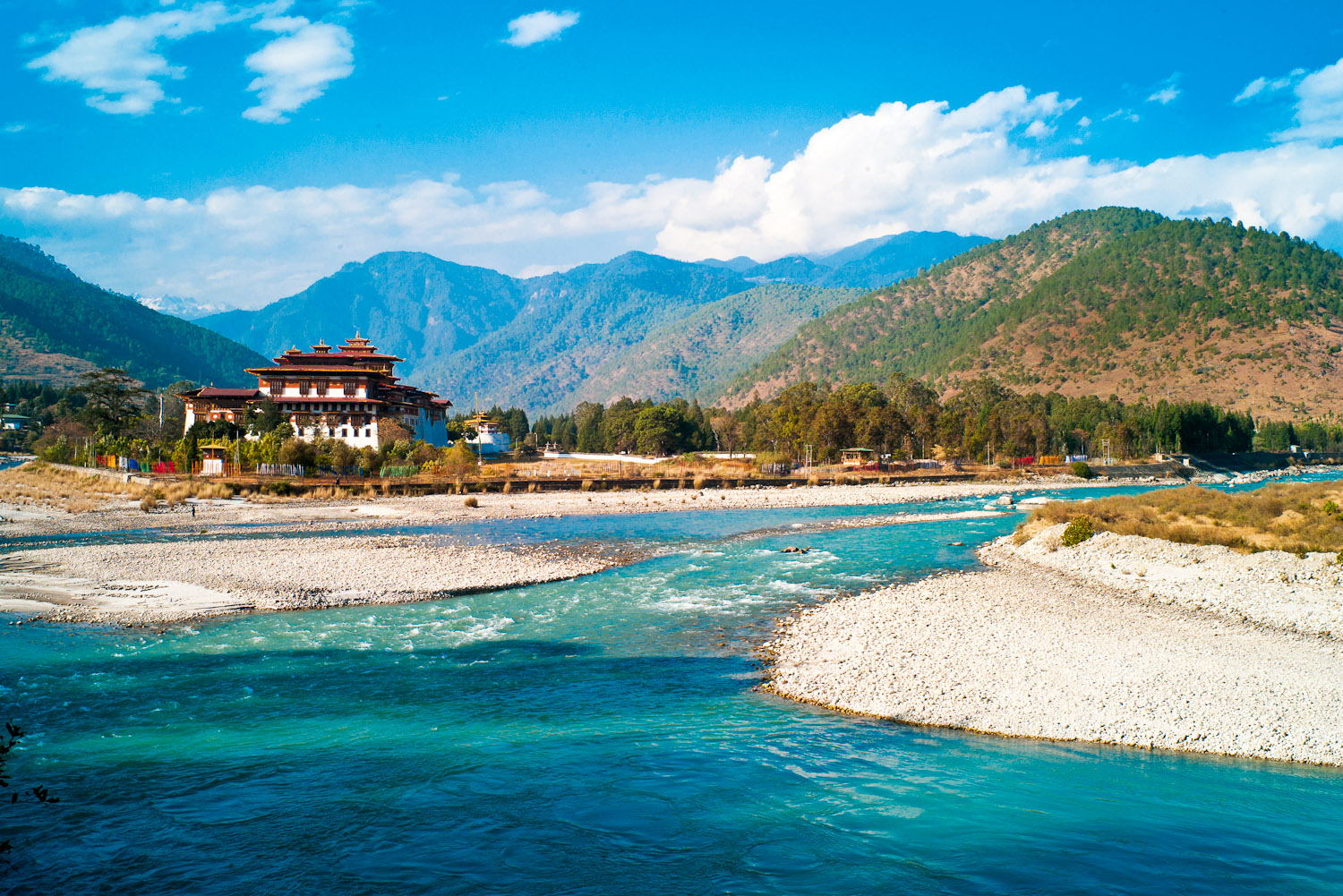
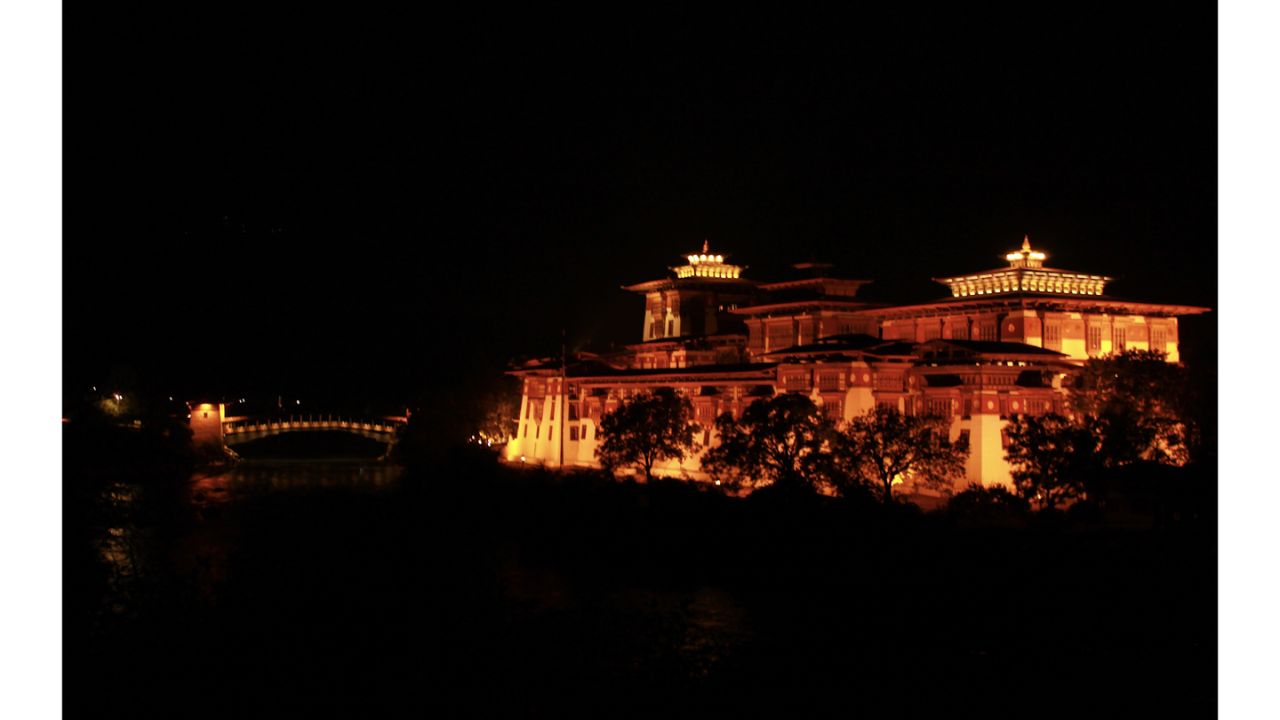
The first time you see it, you probably stop walking. White walls rise from the meeting point of two rivers. Red roofs glow in the sun. Prayer flags flutter across the bridge. It looks less like a building and more like a memory you forgot you had.
This is not just another stop on your itinerary. This is the moment Bhutan begins to make sense.
Pair your visit with Thunphel Bhutan Travels and let their team craft a customized itinerary that gives you the time, depth, and quiet this place truly deserves.
Why Punakha Dzong Feels Different
You visit forts all over the world. They feel defensive. Heavy. Built for war.
Here, you feel peace.
Built in 1637, the fortress stands where the Pho Chhu and Mo Chhu rivers meet. Locals say the rivers symbolize father and mother energy. Whether you believe that or not, you feel calm the second you arrive.
Kings were crowned here. Sacred relics stay here. And every winter, monks move down from colder regions to live here.
You notice something simple. Nothing tries to impress you. And that is exactly why it does.
On thoughtfully designed Cultural Tours, you explore architectural wonders and historical landmarks like this while understanding Bhutan’s deep cultural and spiritual significance, not just seeing it but truly feeling it.
What Happens When You Walk Inside
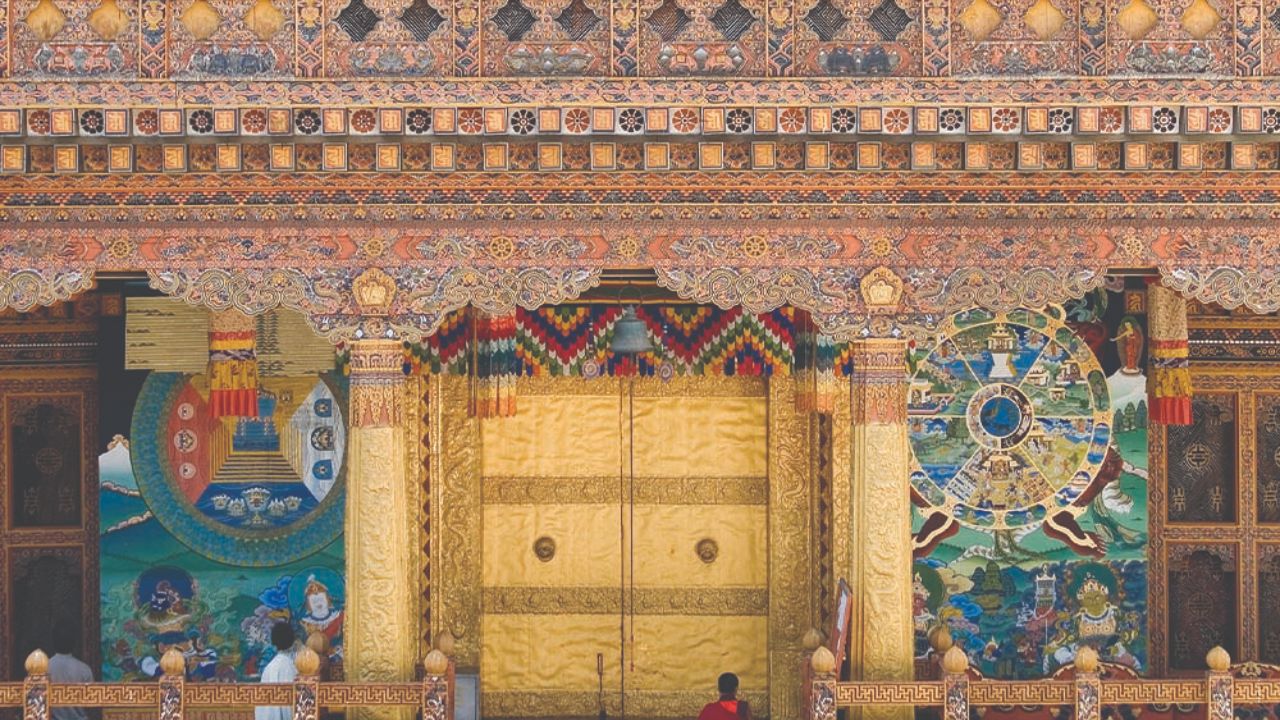
You remove your shoes before entering temples. Stone floors feel cool under your feet. The air smells like incense and old wood.
You don’t rush anymore.
Inside the courtyards, you quietly observe daily life:
- Young monks memorizing chants aloud
- Senior monks turning prayer wheels slowly
- Locals bowing three times before entering temples
- Children running across sunlit stone paths
You realize you are not visiting a monument. You stepped into a living place.
In the main temple halls, golden statues shine in low light. Butter lamps flicker gently. Your eyes adjust slowly. The silence feels full rather than empty.
You stay longer than planned.
How You Should Actually Visit
You might think you can do Punakha as a quick day trip. Many travelers try. Almost all regret it.
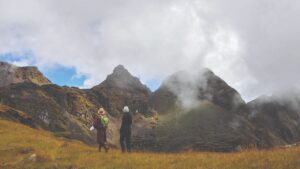
The road crosses Dochula Pass first. Cold air, snow peaks, clouds drifting below you. Then gradually the air warms as you descend into the valley.
That transition matters. Without it, the fortress loses emotional impact.
A good cultural journey lets you experience the valley slowly:
- Stop at Dochula for mountain views
- Walk across Punakha suspension bridge
- Eat in a farmhouse instead of a hotel
- Stroll through rice fields at sunset
This is why many travelers choose tailor-made Bhutan cultural tours. You need time more than distance.
Bhutan works best when nothing feels rushed.
Visiting During Punakha Tshechu (13–14 April 2026)
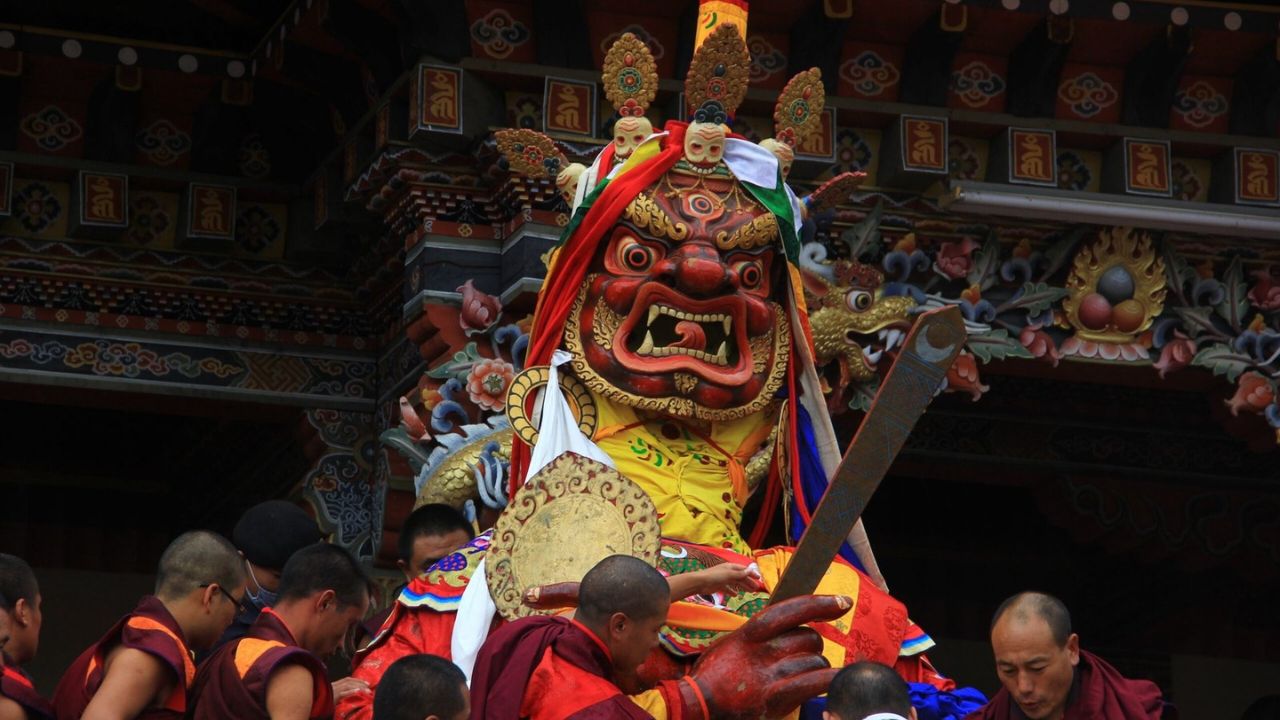
If your travel dates can match the festival, you should plan around it.
During Punakha Tshechu, the fortress transforms. Not decorated. Alive.
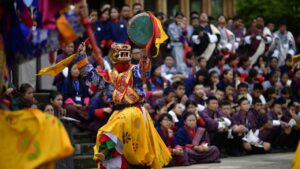
You stand in the courtyard among villagers wearing bright traditional clothes. Mask dancers move in slow circles. Drums echo across the river valley.
You experience things you won’t see elsewhere:
- Giant sacred silk banner revealed at dawn
- Monks blessing visitors individually
- Families sharing food outside the walls
- Elderly villagers arriving after days of walking
You won’t understand every ritual. Yet somehow you still understand the meaning. You don’t watch culture here. You feel included in it.
Join Thunphel Bhutan Travels and experience this immersive cultural celebration with a thoughtfully crafted journey that brings you closer to Bhutan’s living traditions, not just its landmarks.
Combining Punakha with Other Experiences
Punakha works beautifully inside a broader cultural journey.
You could:
- Start in Paro with Tiger’s Nest
- Explore Thimphu’s city life
- Cross Dochula Pass
- Spend two nights in Punakha
- Time your visit with Punakha Tshechu
This layered approach creates contrast. Mountains, monasteries, festivals, valleys. Each day feels distinct.
If you are serious about planning, discuss your pace preferences early. Do you like packed days or slow mornings? Clear communication helps design a tour that matches your rhythm.
Do You Really Need a Guide at Punakha Dzong?
Short answer. Yes.
Bhutan requires international visitors to travel with a licensed guide. But beyond the rule, there is real value here.
Without a guide, you would see a beautiful structure. With a guide, you understand:
- The meaning behind murals
- The symbolism of the fortress layout
- Stories of floods and restoration
- The royal ceremonies held here
One local guide once pointed out small carvings near a doorway that most tourists walked past. Each carving symbolized protection from natural disasters. That small detail changed how the entire structure felt.
Context turns beauty into meaning. Every traveler connects with Bhutan in their own way, so choose a journey that reflects your interests, your pace, and your reason for coming. Each tour is private, fully customizable, and thoughtfully designed by local Bhutanese experts who know the country from the inside out.
How to Include Punakha Dzong in Your Itinerary
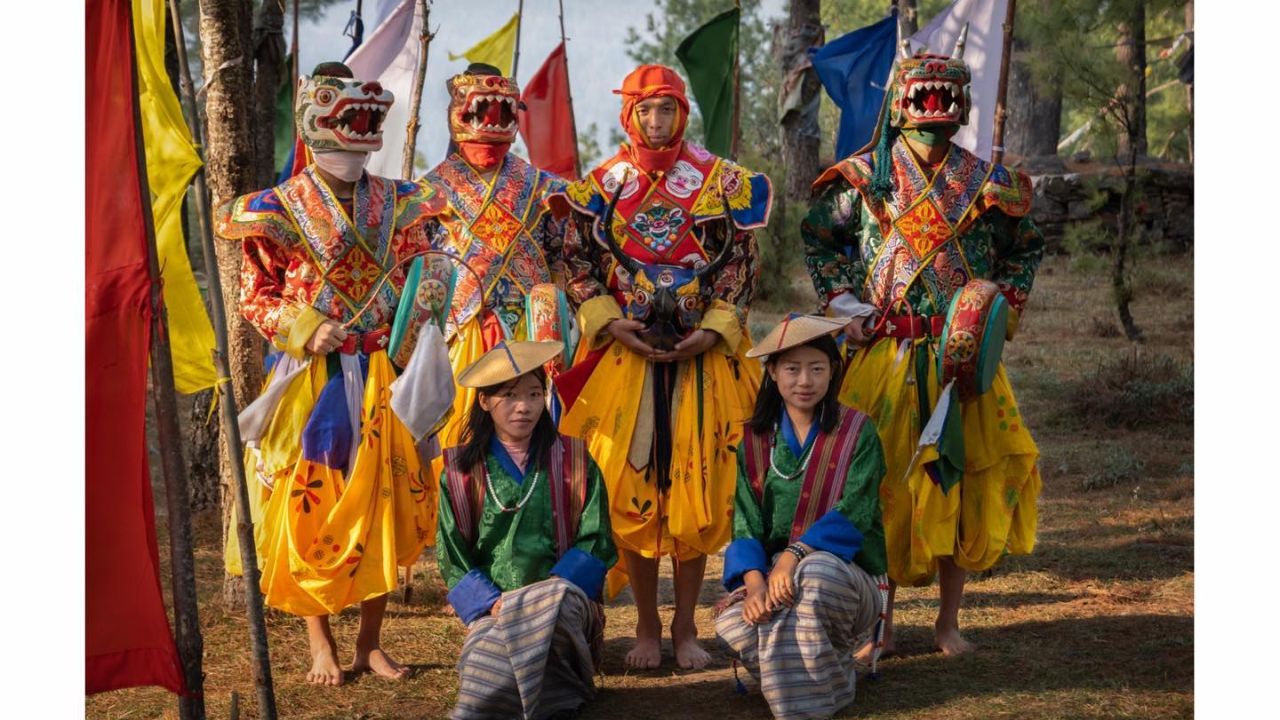
Source: Department of Toursim
Most travelers visit Punakha as part of a Bhutan Cultural Tour. The drive from Thimphu takes about three hours, crossing the Dochula Pass.
That journey itself is scenic. On clear days, snow peaks line the horizon. You descend into a greener valley as you approach Punakha.
A typical plan looks like this:
- Drive from Thimphu to Punakha via Dochula
- Visit Punakha Dzong
- Walk across the suspension bridge
- Explore nearby villages or short hikes
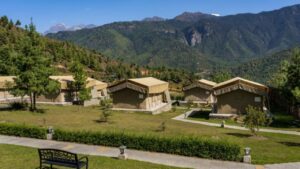
- Overnight stay in Punakha Valley
This pace allows you to enjoy the fortress without rushing.
Making It Part of Your Bhutan Plan
Most travelers combine Punakha with Paro and Thimphu on a cultural journey. You don’t need trekking experience. You don’t need extreme fitness.
You only need curiosity.
A typical smooth route works like this:
- Arrive Paro and adjust
- Explore Thimphu culture
- Cross Dochula Pass to Punakha
- Experience village life and fortress
- Return for Tiger’s Nest hike
That sequence lets you emotionally build toward the biggest moments.
Small Details You’ll Remember Later
You think you will remember the architecture. Instead you remember sensations.
You remember the wooden bridge creaking slightly under your steps.
You remember the warm valley air after the cold mountain wind.
You remember monks smiling when you step aside to let them pass.
Travel photos fade. Feelings stay.
Bring simple things:
- Comfortable walking shoes
- A light jacket for temples
- Socks for temple floors
- A quiet mindset
You don’t need much here.
Why Travelers Often Extend Their Stay
Many visitors plan one night in Punakha. Then they ask to stay another.
The valley slows you down. Mornings are warmer. Evenings feel softer. After a busy city back home, you notice how relaxed you become.
You wake early without alarms. You walk more slowly. You talk less loudly.
You start understanding why Bhutan measures happiness differently.
Practical Travel Tips for Visiting Punakha Dzong
To make your visit smooth, keep these points in mind:
- Dress modestly. Long sleeves and trousers are required.
- Remove shoes before entering temples.
- Carry a light jacket for early mornings.
- Respect photography restrictions indoors.
- Listen to your guide before wandering off.
Small gestures of respect go a long way in Bhutan.
What This Place Changes In You
You arrive expecting scenery. You leave thinking about balance.
Standing by the river after visiting the fortress, you notice something simple. Nothing here tries to entertain you. Yet you feel more engaged than anywhere else.
And you quietly wonder:
When was the last time a place made you slow down instead of speed up?
Questions You Probably Have
Is this good for a first Bhutan trip?
Yes. If you skip this valley, you miss the heart of the country. Everything about Bhutanese life connects back to this place.
Will altitude affect you?
Not here. Punakha sits low in elevation. You breathe easier and sleep better after the higher towns.
Do you really need a guide?
You do. Without stories you see architecture. With explanations you see history and belief.
Your guide helps you notice details you would miss:
- Why paintings show fierce deities
- Why monks debate loudly in courtyards
- Why certain rooms remain closed to visitors
Suddenly the place speaks to you.
Is it worth the cost?
You ask yourself this before booking Bhutan. Then you stand in the courtyard at sunset and stop calculating.
Travel rarely feels meaningful anymore. Here it does.