Happiness is not just a phrase in Bhutanese culture; it’s a way of life. It’s part of everyday life, government policy, religion, food, clothing, and how people treat each other. This is why a well-planned Bhutan Cultural vacation can feel less like sightseeing and more like walking into a live value system.
If you’re curious about if Bhutan’s “happy country” reputation is real or just savvy marketing, the quick answer is that it’s based on a national philosophy called Gross National Happiness. This idea is present in the country’s culture, government, environmental care, and communal life.
This suggests that if you’re going to Bhutan, you shouldn’t rush the trip. You go to Bhutan to relax, take in the peaceful surroundings, and let native guides assist you understand what’s going on around you.
Why Bhutan Culture Feels Different

Source: Department of Tourism
Many places preserve culture for museums. Bhutan seems to preserve it for Tuesday morning. You see it in monasteries, in homes, in festivals, in the cut of a robe, and in the quiet way tradition still shapes modern life.
That is why Bhutan Cultural Tours from Thunphel Bhutan Travels makes sense for first-time visitors. Their cultural tours are built around Bhutan’s traditions, monasteries, festivals, architecture, and way of life, and the company says all tours are private, customizable, and guided by local experts. If your main doubt is “Will I really understand Bhutan, or just take photos of it?” This is exactly where a cultural itinerary helps.
Bhutan culture value #1: Happiness is treated like a public goal
The first big value is easy to understand but hard to find. Bhutan doesn’t think that money is the only way to measure progress. The Fourth King developed the idea of Gross National Happiness in the early 1970s. It encourages a holistic approach to development that puts happiness and quality of life at the core.
Good governance, sustainable development, cultural preservation, and environmental conservation are the four pillars that most people think of when they think of GNH.jswlaw+2 This sounds great until you get there. It then seems useful. A monastery visits not cut off from the outside world. A clean valley is more than just a nice view. A festival is not “content.”
These things are part of how people in the country think about health. Go with Thunphel Bhutan Travels to learn more about Bhutan’s culture while you’re there. Their Bhutan Cultural Tours focus on the country’s spiritual traditions, legacy, and way of life that makes people happy, which makes the trip seem very connected to the place..
Bhutan culture value #2: Faith shapes the rhythm of daily life
Bhutanese culture is closely tied to Buddhism, which has shaped the country’s traditions, architecture, and daily life for centuries. This influence appears everywhere, from prayer wheels and monasteries to chanting, sacred art, and everyday rituals.
Because of this, visiting a monastery or temple often feels more personal than a typical tourist attraction. Spiritual practice remains an active part of life, not just history. In many cases, having a knowledgeable guide can also add helpful context, explaining the stories, customs, and meaning behind what you see.
Bhutan culture value #3: Tradition is worn, not stored
One of the strongest signs of bhutan culture is that traditional dress still matters in daily life. Thunphel’s cultural tour page explains that the gho for men and the kira for women remain an important part of cultural identity and are worn especially in public offices, religious sites, and formal gatherings. Other travel and cultural sources also note that the national dress is promoted to preserve heritage and identity.
In many places, traditional clothing comes out for staged shows and then vanishes. In Bhutan, it still has weight. It still says something about belonging, respect, and continuity.drukasia+1
This is also where a cultural trip becomes richer than a generic tour. On Cultural Tours, you’re more likely to notice how textiles, dress, etiquette, and architecture fit into one larger cultural picture instead of feeling like random facts thrown at you from a car window.
Bhutan culture value #4: Festivals are community, not performance

Source: Department of Tourism
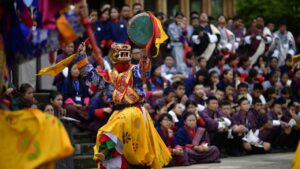
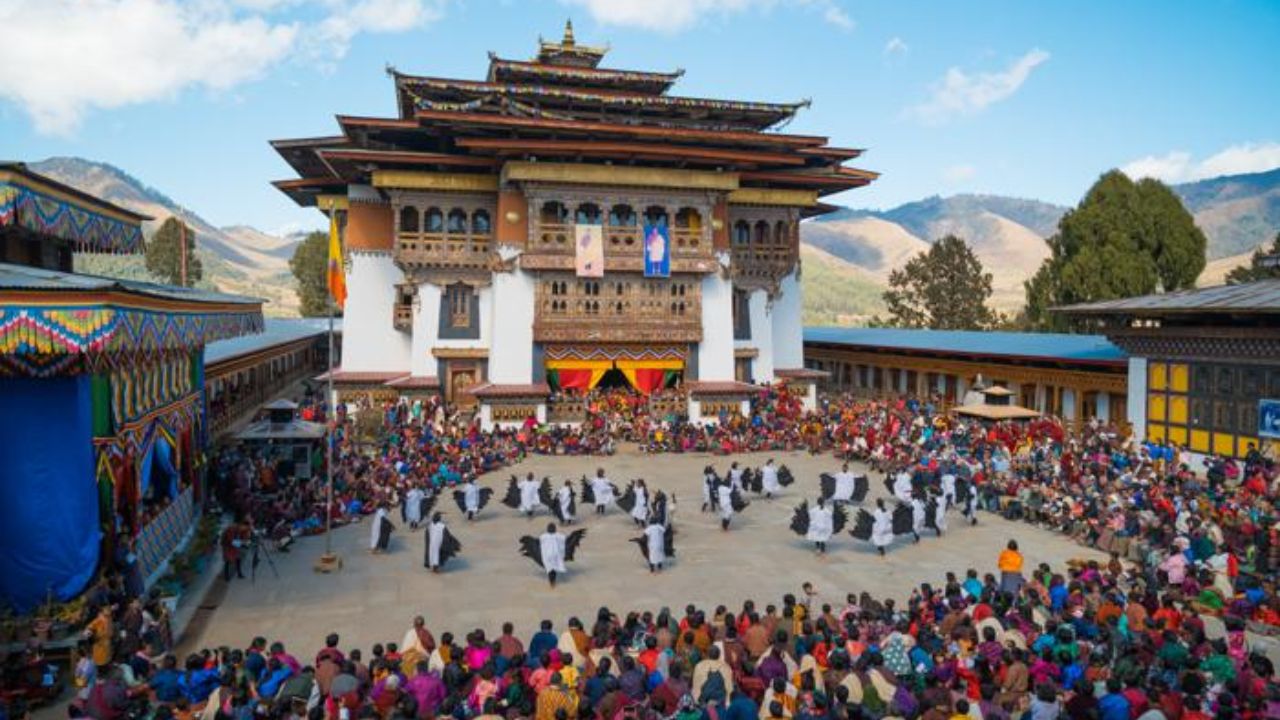
Tsechus in Bhutan are more than just colorful parties. They are important community events that are based on spiritual traditions. Rituals, masked dances, and cultural performances tell sacred stories, give blessings, and show that you are safe from bad things.
You are not watching a staged show when you stand in a festival courtyard. This is a living culture in action. These events bring people together and help keep traditions alive from one generation to the next.
Travelers need to pay attention to the time. Festivals are one of the best ways to get a real taste of Bhutanese culture, so planning a trip around a tsechu can change the whole experience.
Bhutan culture value #5: Heritage is protected on purpose
It’s not by chance that Bhutan keeps its culture alive. Bhutan cares a lot about keeping its culture alive. Policies support traditional clothing, building styles, and religious practices. This is in line with the country’s overall Gross National Happiness (GNH) philosophy, which sees culture as a key part of national well-being.
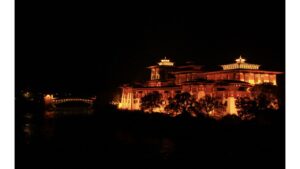
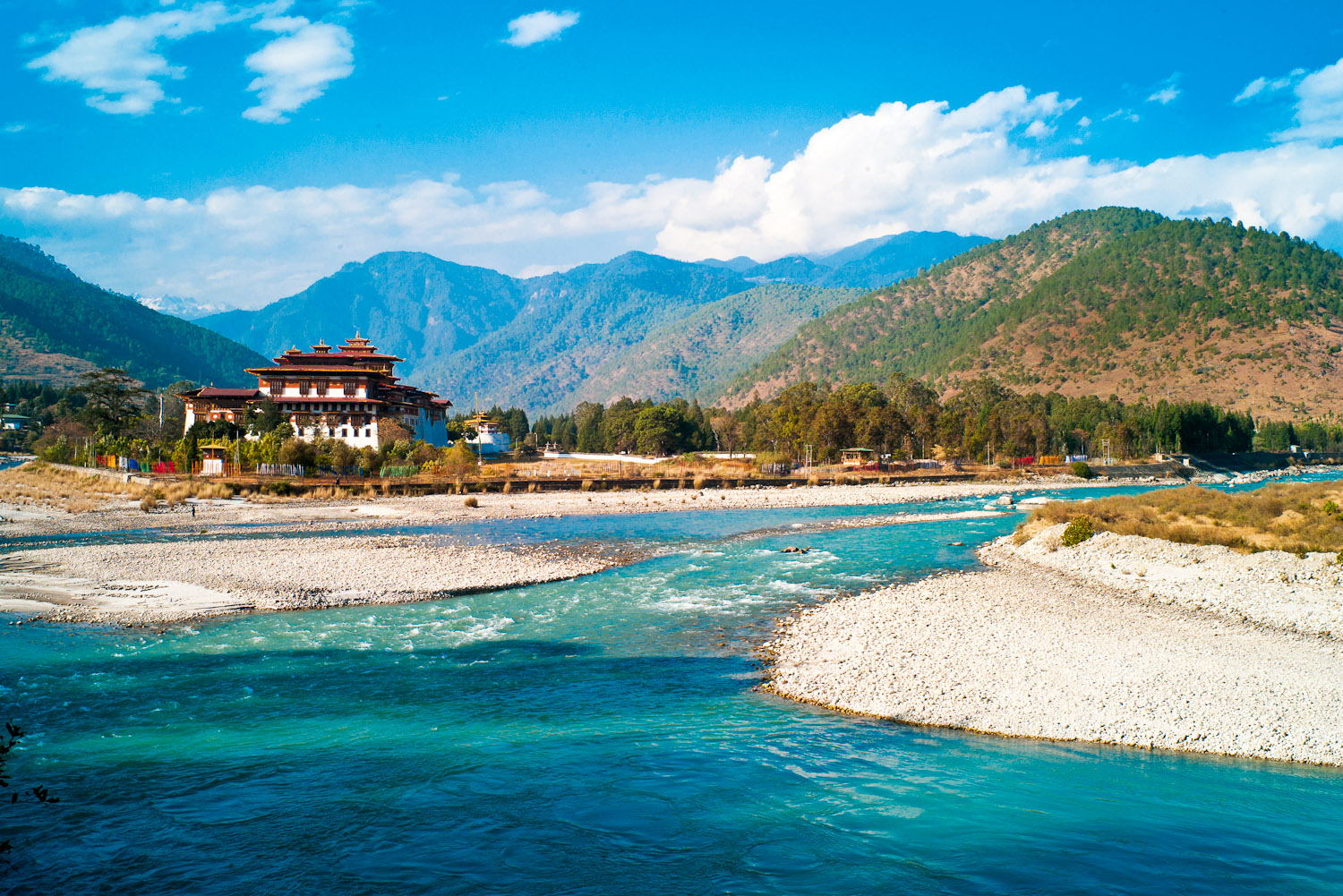
You can see this focus all over the landscape. Dzongs, temples, and traditional homes are not just historic landmarks. They are still important parts of daily life. Temples and Bhutanese homes show the country’s deep spiritual roots and long cultural history. Dzongs often serve both religious and administrative purposes.
This answers a question that a lot of travelers have: is Bhutan really real, or has tourism made it too perfect? The truth is that Bhutan actively manages tourism and preservation at the same time, which is one reason the country still feels unique. It hasn’t sold its soul for busloads, but it isn’t stuck in time either.
A few signs of that value are easy to spot:
- Traditional architecture still plays a visible role in towns and heritage sites.
- National dress remains important in official and formal settings.
- Tourism is framed around preservation, respect, and sustainability.
- Cultural education and guided interpretation are treated as part of the visitor experience.
Bhutan culture value #6: Community and care come before show

Source: Department of Tourism
Ask travelers what they remember most, and many will mention warmth before monuments. The approach to Bhutan travel centers on warm hospitality, personal care, local expertise, and immersive experiences rather than simple checklist-style tourism. Their reviews also emphasize customized planning, safety, cultural insight, and meaningful contact with local life.
This ties back to the wider happiness model. Articles discussing GNH describe domains like community vitality, well-being, and sustainable living as central to how Bhutan thinks about development. That makes sense on the ground. Meals matter. Conversations matter. A shared ritual matters. A kind guide matters more than a luxury seat with no story attached.
If you’re wondering whether a guide is necessary for a cultural trip, the answer often depends on your goal. If you want deeper understanding rather than simply moving from place to place, having a guide can help. They usually manage logistics, permits, and local context, making the journey smoother and more meaningful.
And if you’re choosing a product, Bhutan Cultural Tours is clearly designed for that kind of slower, richer experience.
How to choose the right Bhutan Cultural Tours plan
Not every traveler wants the same experience. Some prefer monasteries and quiet, while others enjoy festivals and local food. Thunphel Bhutan Travels offers varied cultural tours, including Temple of Fertility of Bhutan, Tour of Modern and Medieval Bhutan, and Discover Gross National Happiness on the Bhutan Tour.
Before you book, think like a real traveler, not a brochure.
- If this is your first visit, choose a classic cultural route with major heritage sites and enough time to breathe.
- If GNH is what fascinates you, look closely at “Discover Gross National Happiness on the Bhutan Tour.” Check out Happiness Bhutan Tour
- If you care about faith, folklore, and unusual temple stories, a themed tour like “Divine Mad Monk and Temple of Fertility of Bhutan” may be more memorable than a generic circuit.
- If you want flexibility, you need to book for tours that are customizable, which helps if you want to adjust pace, interests, or comfort level.
And what about the usual decision questions?
- Is this okay for beginners? Yes. Cultural tours are far easier than high-altitude treks and suit most first-time Bhutan visitors.
- Will altitude be a problem? It can still matter in places like mountain passes, but cultural itineraries are generally less physically demanding than trekking routes.
- Is this worth the money? If you value guided access, cultural depth, smooth logistics, and authentic local interpretation, it often is.
- Should I plan it myself? You can research alone, but Bhutan travel still works best through a licensed operator, like Thunphel Bhutan Travels manages visas, permits, transport, and tailored itineraries.
The real beauty of Bhutan is in the culture and the love locals have towards it. The cultural significance sits in the sound of monks chanting, in a handwoven kira, in a dzong wall lit by late sun, in a guide who explains why happiness here means balance and not excess.
So when you choose to explore the culture in Bhutan, you’re not just buying a holiday.
You’re choosing how close you want to get to a country that still asks a brave old question: what if a good life is about meaning first, and money second?