Phobjikha Valley is the best place in Bhutan to see rare black-necked cranes up close, and yes, it’s worth planning your entire Bhutan trip around it.
If you’re thinking about adding this valley to your Tailor-Made Bhutan Tour with Thunphel Bhutan Travels, you’re likely asking a few key questions. Is it easy to reach? Will the altitude be hard? Is it really that special, or just another pretty valley?
Let’s answer that right away. It’s special. And not in a loud way. It’s quiet, wide, and deeply calm. The kind of place where you hear your own footsteps. The kind of place where you look up and see cranes glide over golden fields in winter light.
This is not a place you rush. It’s a place you feel.
Why Visit Phobjikha Valley?
Source: Department of Tourism
You visit this valley for one reason first. The black-necked cranes.
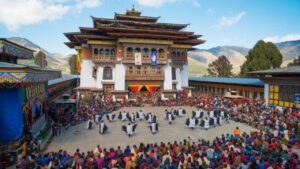
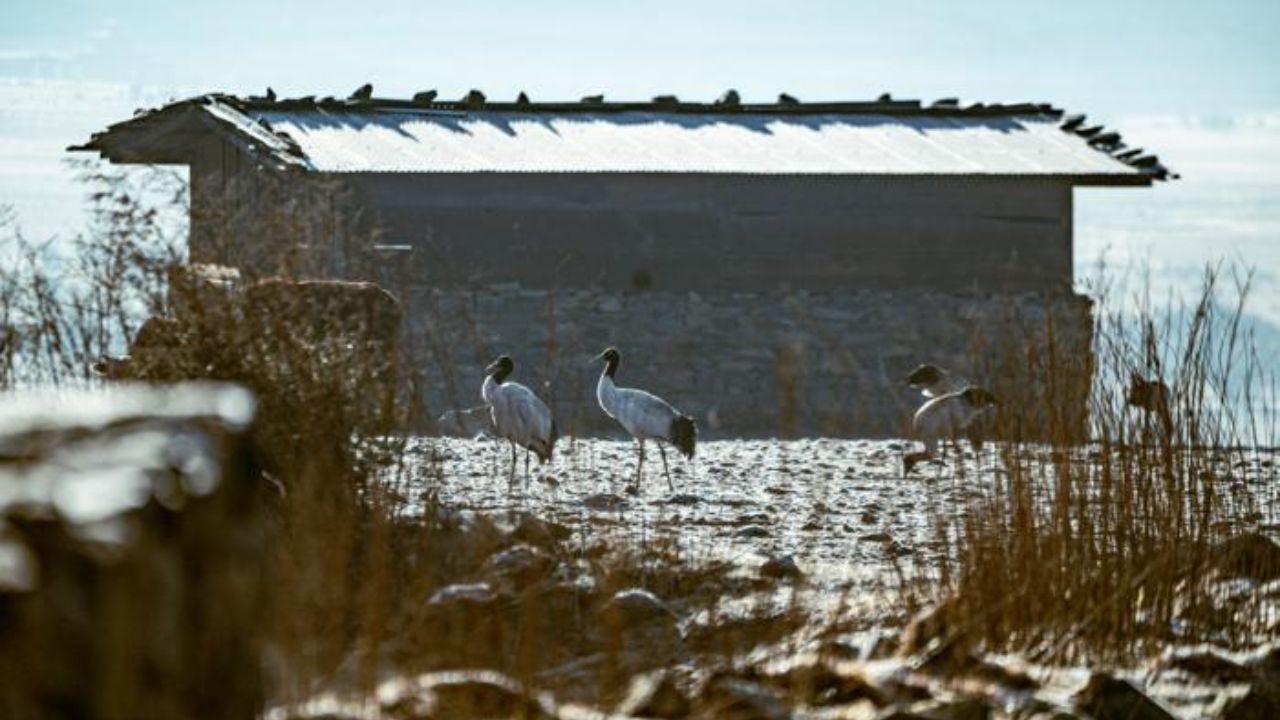
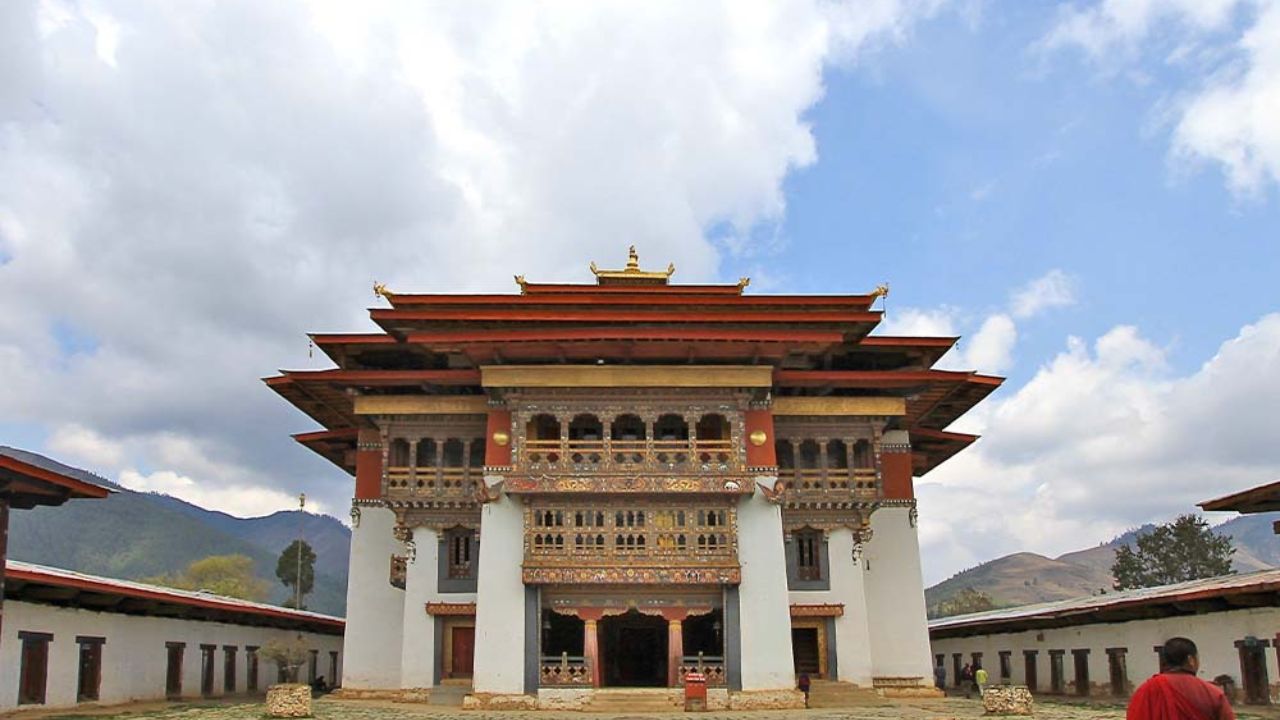
Every winter, these rare birds fly from the Tibetan Plateau to Bhutan. They arrive in late October and stay until early March. Locals believe the cranes bring blessings. And when you stand there and watch them circle over the Gangtey Monastery before landing, you understand why.
But there is more here than birds.
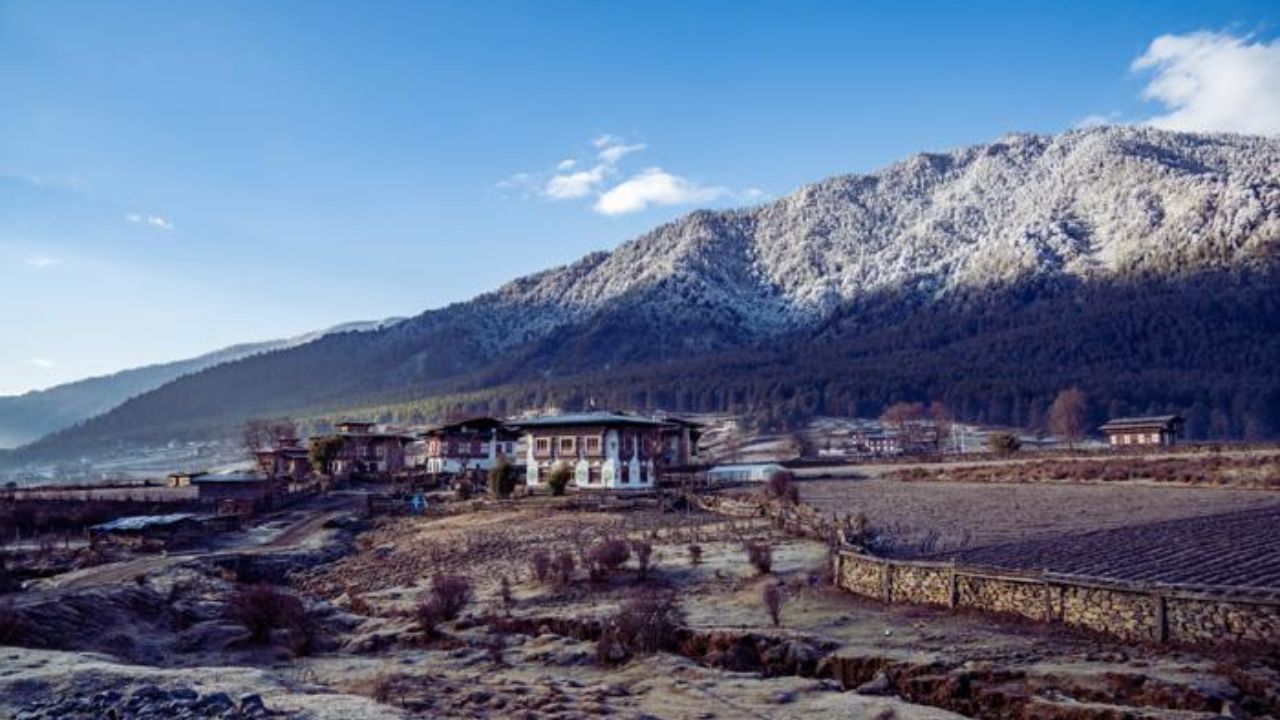
The valley sits at about 3,000 meters above sea level. It’s wide and bowl-shaped. No traffic lights. No big towns. Just marshland, farms, and wooden homes. It feels raw and real.
You come here to slow down. To walk. To breathe.
Phobjikha Valley and the Black-Necked Cranes
The cranes are the stars. But they are shy. You do not chase them. You watch from a distance.
Here is what makes the experience special:
- They migrate over 1,000 kilometers each year
- They mate for life
- Locals protect them as sacred birds
- The valley has strict conservation rules
You can visit the Black-Necked Crane Information Centre. It’s small but helpful. There are spotting scopes and guides who explain their story.
But the best moment? Early morning. The frost is still on the ground. The sun is rising. And the cranes calling across the marsh.
That sound stays with you.
Is Phobjikha Valley Worth Adding to Your Bhutan Tour?
Source: Department of Tourism
Short answer. Yes.
Long answer. It depends on what you want from Bhutan.
If you want busy markets and fast sightseeing, you may prefer Thimphu or Paro. But if you want stillness and space, this valley changes the rhythm of your trip.
Many travelers who book with Thunphel Bhutan Travels appreciate having enough time to settle in and explore at a relaxed pace, without rushing.
You can combine it with:
- Paro Taktsang hike
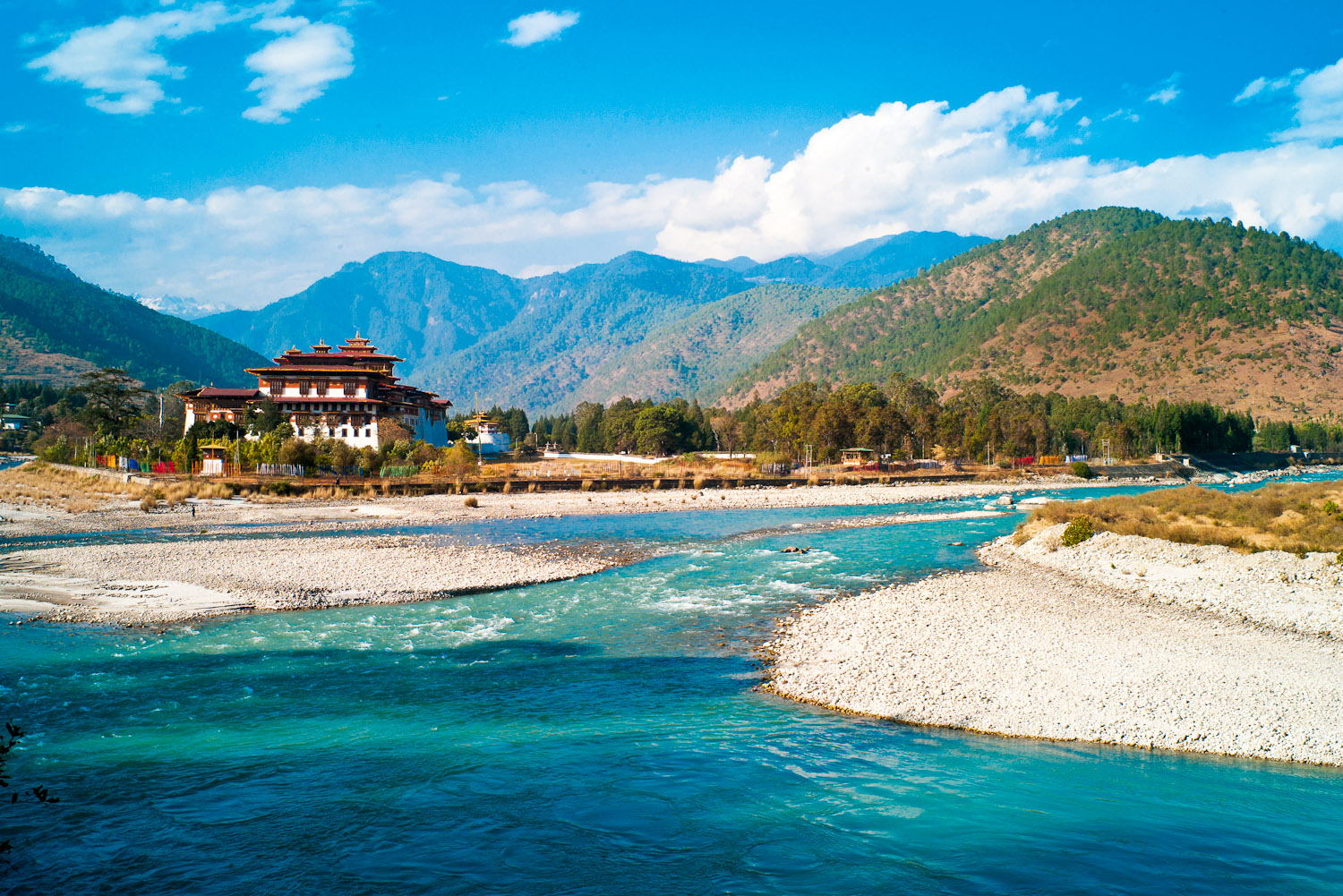
- Punakha Dzong visit
- Gangtey
- exploration
- Gentle nature trails
It fits smoothly into a well-planned Bhutan itinerary.
Will Altitude Be a Problem?
This is a smart question.
At 3,000 meters, the valley is high but not extreme. Most people feel fine if they have already spent time in Paro or Thimphu. The key is pacing.
Here is what helps:
- Drink plenty of water
- Walk slowly on your first day
- Avoid heavy meals on arrival
- Sleep well
you’re not trekking steep peaks here. Most walks are gentle and flat. If you’re moderately fit, you will manage well.
Do You Really Need a Guide?
Technically, all foreign visitors to Bhutan must travel with a licensed guide. But beyond the rule, a guide adds real value here.
Why?
Because this valley is not about checking boxes. It’s about stories. A good guide explains local beliefs about the cranes. They show you hidden trails. They help you talk with farmers.
Without context, it’s just land. With context, it becomes alive.
And when you book through a trusted Bhutan tour operator like Thunphel Bhutan Travels, you get experienced local guides who know the culture deeply.
What Can You Actually Do in Phobjikha Valley?
Source: Department of Tourism
You may think it’s just bird watching. It’s not.
Here is what fills your days:
- Walk the Gangtey Nature Trail
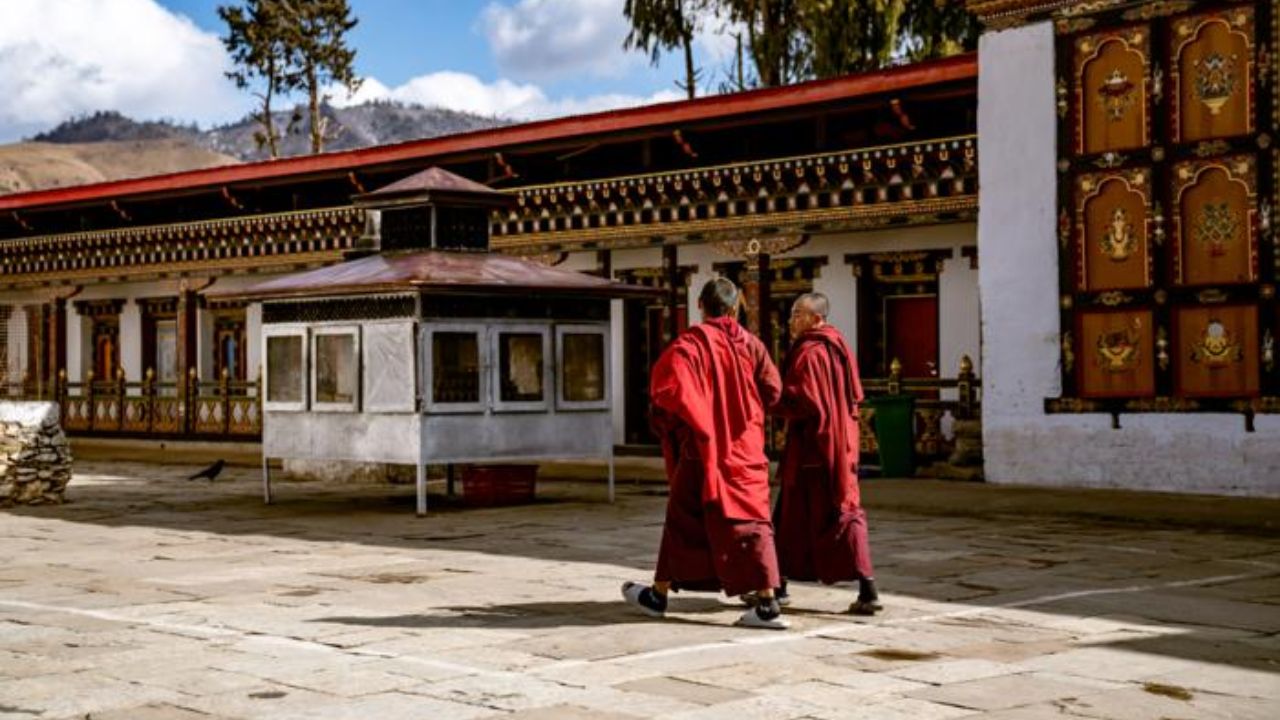
- Visit Gangtey Monastery
- Explore small farmhouses
- Watch traditional weaving
- Sit by a wood stove and sip butter tea
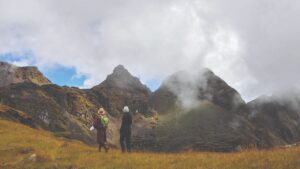
The Gangtey Nature Trail is easy. Around two hours. It takes you through pine forest and open marshland. Even beginners can enjoy it.
Is this trek okay for beginners? Yes. Very much so.
It’s not a steep climb. It’s a peaceful walk. You can stop often. Take photos. Talk. Laugh.
When Is the Best Time to Visit Phobjikha Valley?
Planning your trip around the right season helps you enjoy clear views, pleasant weather, and the famous black-necked cranes.
Best Time to Visit Phobjikha Valley
| Season | Months | Weather | What to Expect |
| Spring | March – May | Cool and pleasant | Blooming wildflowers, clear skies, ideal for nature walks |
| Summer | June – August | Mild with rainfall | Lush green landscapes, fewer tourists, occasional fog |
| Autumn | September – November | Crisp and clear | Best overall season, bright skies, scenic photography |
| Winter | December – February | Very cold | Arrival of black-necked cranes, peaceful snowy scenery |
Autumn is generally considered the best time due to stable weather and panoramic Himalayan views, while winter is perfect if you want to witness the migratory cranes in their natural habitat.
Timing matters.
If your goal is to see black-necked cranes, plan between late October and early March.
If you want green fields and flowers, visit in spring.
Winter is cold. Nights drop below zero. But the skies are clear. And the cranes are there.
Spring and summer are mild. Fewer cranes. More greenery.
Ask yourself what you want more. Birds or blossoms?
A Tailor-Made Bhutan Tour allows you to align your visit with your priorities.
Is It Comfortable to Stay There?
This is not luxury city travel. But it’s comfortable.
You will find:
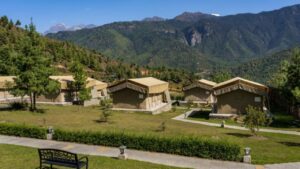
- Cozy lodges
- Heated rooms
- Hot meals
- Warm hospitality
After sunset, it gets quiet. Very quiet. Some travelers feel surprised by the silence at first. Then they start to enjoy it.
You eat simple food. Rice. Vegetables. Local cheese. Sometimes buckwheat pancakes. It feels honest.
You sleep early. And wake up with the sun.
How to Reach Phobjikha Valley
The drive from Punakha or Thimphu takes about 4 to 6 hours. The roads wind through mountain passes.
Yes, it’s a long drive. But the views along the way are part of the journey.
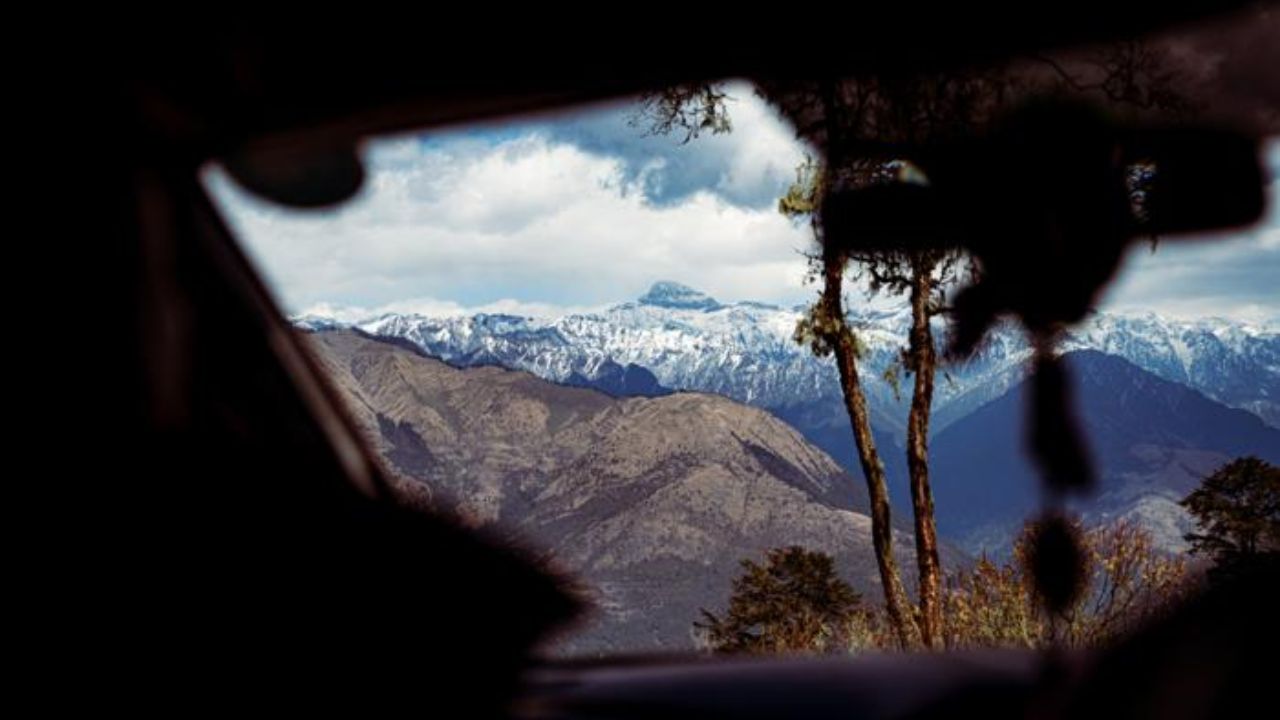
You cross Pele La Pass. Prayer flags flap in the wind. The air gets cooler. Then suddenly the valley opens below you.
That first wide view is unforgettable.
With a private vehicle arranged, you travel safely and at your own pace. You can stop for photos. Or tea.
Is It Worth the Money?
This is the real question, right?
Bhutan travel has a daily fee. You want value.
Here is what you gain here:
- Rare wildlife encounters
- Deep cultural insight
- Slow travel moments
- Clean air and silence
It’s not about luxury malls. It’s about meaningful space.
If you measure value by experience, this valley gives you a lot.
And when you design a Tailor-Made Bhutan Tour, you control how long you stay and what you prioritize. That keeps your budget aligned with your goals.
Responsible Travel in Phobjikha Valley
This place survives because people protect it.
There are no big factories. No loud tourism.
As a visitor, you can help by:
- Staying on marked trails
- Keeping distance from cranes
- Avoiding loud noise
- Supporting local businesses
Travel here feels more personal. You see the impact of your choices.
Why Book With Thunphel Bhutan Travels?
Source: Department of Tourism
You want peace of mind when planning Bhutan.
A reliable local operator ensures:
- Licensed guides
- Clean vehicles
- Balanced itineraries
- Smooth permit handling
Planning Bhutan alone is not possible due to visa rules. So choosing the right partner matters.
Pair your visit with experiences that match your interests. Thunphel Bhutan Travels specializes in personalized journeys, adjusting the pace, adding meaningful cultural stops, or including extra hiking days whenever you wish.
You’re not buying a fixed package. You’re shaping your own Bhutan story.
Real Decision Moments You Might Face
“Will I get bored there?”
Unlikely. The pace is slow, but your mind stays engaged. Nature does that.
“Is it too remote?”
it’s remote, yes. But safely remote. You’re never far from your lodge or guide.
“Is this trip okay for older parents?”
If they can handle mild altitude and short walks, yes. Many older travelers enjoy the gentle trails.
“What if I do not see cranes?”
Nature has no guarantees. But winter months offer strong chances. And even without cranes, the valley itself is worth it.
Key Takeaways
- The valley is best for crane sightings in winter
- The altitude is manageable for most travelers
- Two nights allow a relaxed visit
- Guided travel adds real depth
- It pairs well with Paro and Punakha
You do not come here for thrill rides. You come for stillness.
And sometimes, stillness is the most powerful travel memory you take home.
So when you sit down to plan your Bhutan journey, ask yourself this. Do you want to simply see Bhutan? Or do you want to feel it?