How to visit Bhutan from India in 2026 is simple once the rules, routes, and costs are clear. Most confusion disappears within the first few minutes of planning. Indian citizens do not need visa but they do neet travel permit, travel options are limited but reliable, and Bhutan follows a regulated tourism model that removes many common travel uncertainties.
What usually slows people down is not paperwork. It’s uncertain. Is Bhutan expensive? Is it restrictive? These questions often show up and deserve clear answers, not rushed assurances.
This guide can clean all your doubts regarding the same.
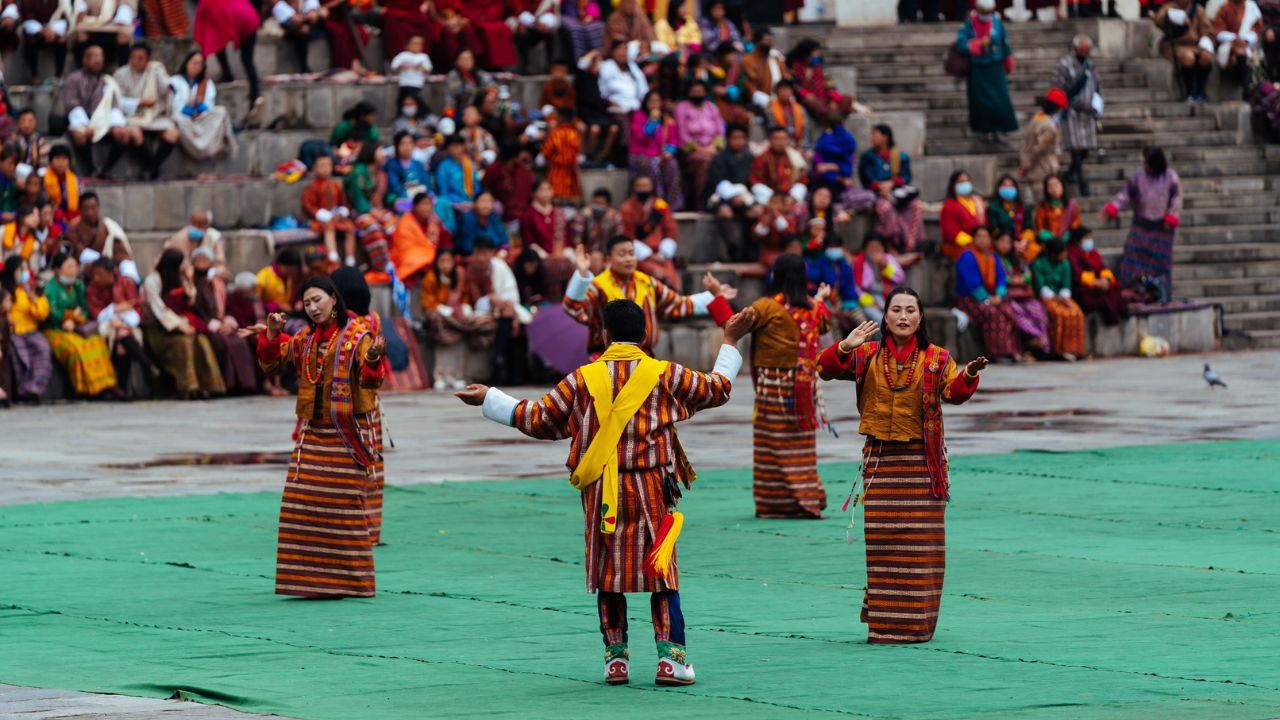
Why Bhutan Feels Different Before You Even Arrive
Bhutan does not try to attract mass tourism. The country protects its culture, environment, and pace of life through controlled travel policies. That decision shapes the entire experience.
Travelers from Indian metros often notice the difference immediately. Prayer flags line mountain passes. Children greet strangers without hesitation. Silence inside monasteries feels deliberate, not empty.
Understanding how to visit Bhutan from India matters because the system is designed to slow travel down. It encourages careful planning and preparation, as travel logistics can be challenging without prior knowledge. Bhutan rewards intention, not speed.
Do Indians Need a Visa to Visit Bhutan?
Entry is handled through a permit and visa clearance system managed by Bhutan’s immigration authorities. Travelers can also apply for an e-permit on arrival at the immigration checkpoint. However, be sure to carry the correct SDF amount, as it must be paid during the e-permit application process.
When traveling with a licensed operator such as Thunphel Bhutan Travels, the process is handled entirely on the traveler’s behalf. No embassy visits or waiting in a long queue are required, and no complex online forms are involved.
The process typically follows these steps:
- Confirm the itinerary and travel dates
- Submit a clear passport scan and recent photograph
- Tour operator applies for permit clearance
- ePermit is issued
- Visa is stamped on arrival in Bhutan
Passports must have at least six months of validity. The process feels formal but is straightforward and well-organized.
The Sustainable Development Fee Explained Simply
All the travellers, including people from India, need to pay a SDF also known as the Sustainable Development Fee, currently around INR 1200 per person per night.
This fee supports healthcare, education, infrastructure, and environmental protection throughout Bhutan.
The fee often raises hesitation, but its impact is visible. Towns remain clean. Forests are protected. Sacred sites stay uncrowded and respected. Making it some of the best places you can travel in the upcoming season.
Stays of up to 24 hours in border towns such as Phuentsholing may be exempt. Longer journeys include the fee as part of the overall travel cost.
Best Ways to Reach Bhutan from India
Flying Into Bhutan
Flying into Paro International Airport is the most comfortable and time-efficient option.
Direct flights generally operate from:
- Delhi
- Kolkata
- Guwahati
- Bagdogra on select schedules
Only Drukair and Bhutan Airlines fly into Paro. The approach into the valley is weather-dependent and considered one of the most scenic landings in the world.
Flights can be affected by weather, especially in spring and summer. Booking through an experienced operator helps manage schedule changes smoothly.
Entering Bhutan by Road
Road entry suits travelers who enjoy a gradual journey or need to manage costs. There are three main land entry points: Samdrup Jongkhar in the east, reached via Guwahati; Gelephu, accessible from Assam; and Phuntsholing, the most popular road route into Bhutan.
The most common land route is through Phuentsholing:
- Travel to Siliguri or Hasimara
- Drive to Jaigaon in West Bengal
- Walk across the border into Phuentsholing
- Collect entry permits
- Continue onward by vehicle
Border offices close early, and queues can build during holidays. An overnight stay near the border keeps the process relaxed.
How to Visit Bhutan from India With the Right Travel Style
Bhutan responds best to intentional travel. The chosen style shapes the depth of the experience.
Cultural Tours
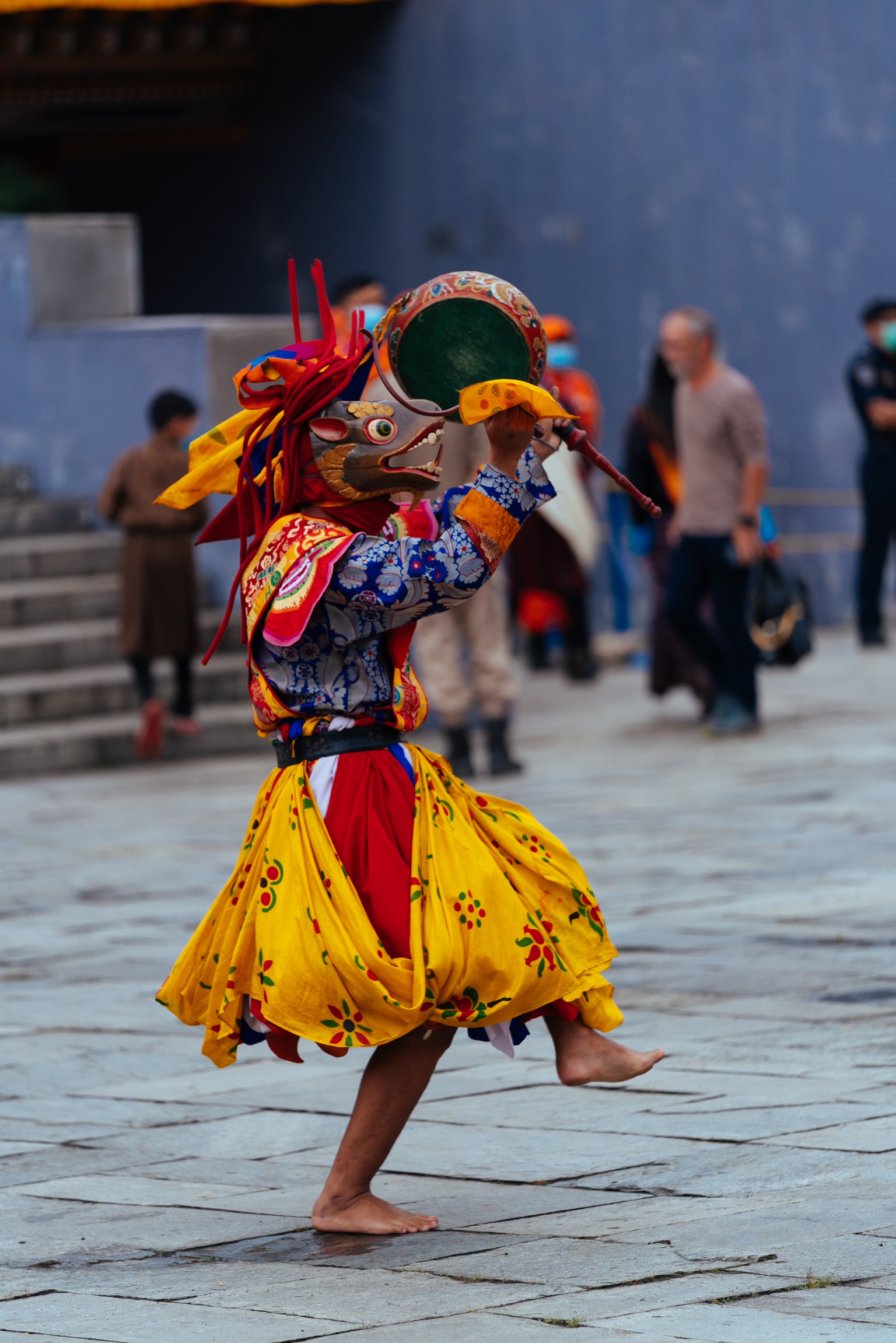
Cultural tours focus on monasteries, dzongs, villages, and daily rituals. These journeys move slowly and reward observation rather than speed.
This travel style suits:
- First-time visitors
- Families and senior travelers
- Those interested in Buddhism and heritage
Thunphel Bhutan Travels designs private cultural itineraries that prioritize pacing and understanding.
Trekking and Soft Adventure
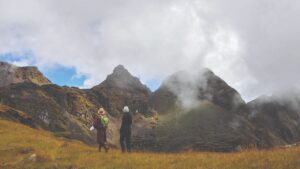
Many travelers worry about difficulty levels when considering trekking in Bhutan.
Most routes are beginner-friendly. Altitude matters more than fitness, and the terrain focuses on steady climbs rather than technical challenges.
Common questions include:
- Will altitude be an issue?
- Is prior trekking experience required?
- Are the routes safe for beginners?
With careful pacing and proper rest days, most travelers adapt well.
Festival-Based Travel
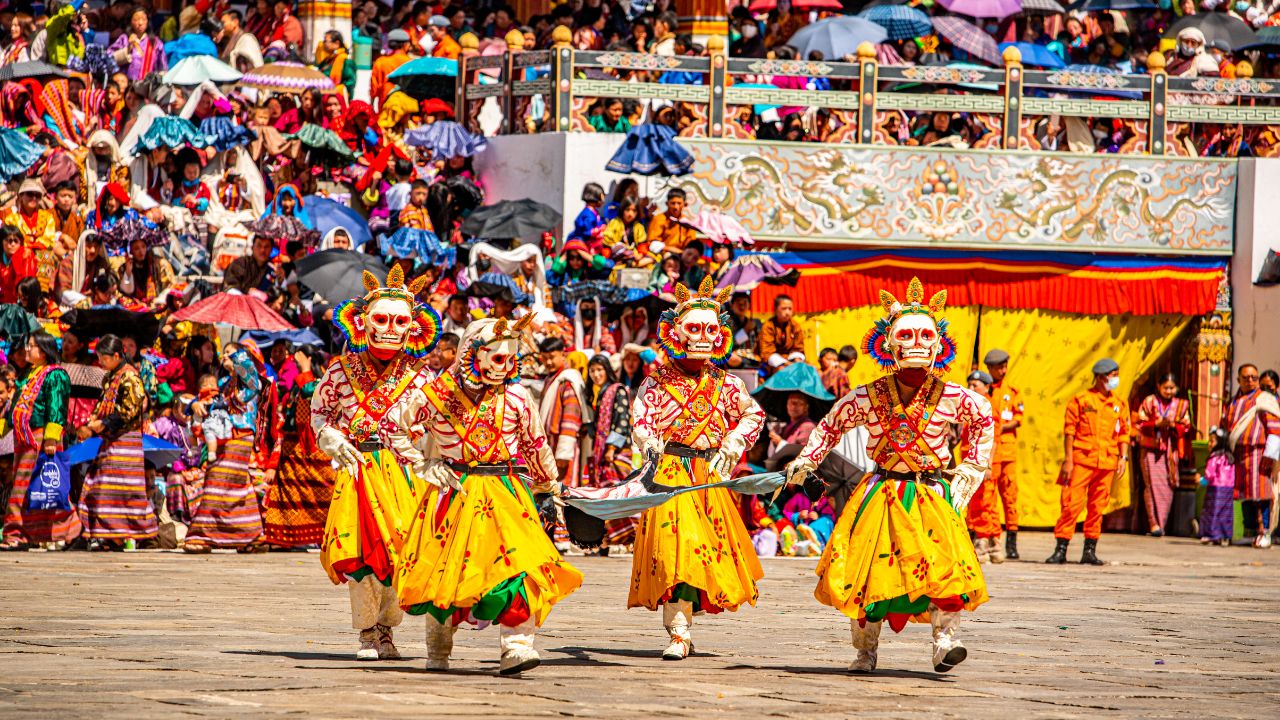
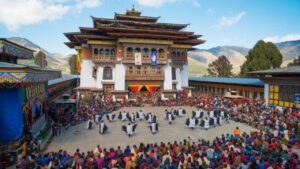
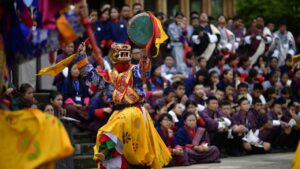
Festivals showcase Bhutan at its most vibrant. Mask dances, music, and community gatherings fill courtyards and valleys.
Festival travel requires flexibility. Dates follow the lunar calendar and may shift. Smaller regional festivals often feel more personal and less crowded than major events.
Do You Really Need a Guide in Bhutan?
Guides are required beyond Paro and Thimphu. Even where optional, they significantly enhance the experience.
Bhutanese culture is layered and symbolic. Without context, sites can feel repetitive. With a guide, each detail carries meaning.
A licensed guide typically:
- Explains rituals in clear terms
- Adjusts plans for weather and energy levels
- Manages permits and logistics
- Encourages slower, more thoughtful travel
Selecting the right operator matters.
Money, Cards, and Tour Payments
Most tour costs in Bhutan are quoted in US Dollars and include accommodation, guides, transport, permits, and meals. This structure reduces well thought-outfinancial decisions.
Thunphel Bhutan Travels offers secure payment options:
- International bank wire transfers
- Credit or debit card payments via secure gateway
- Cryptocurrency payments through Binance on request
Cash remains useful for small purchases. International card usage should be enabled before arrival into Bhutan.
Best Time to Visit Bhutan for Indian Travelers
Season affects road conditions, crowd levels, and travel pace.
Spring offers mild weather and clear skies. Autumn brings festivals and crisp air. Summer is green but rainy. Winter is quiet and cold.
Many travelers favor spring for its balance. Roads remain accessible, walking feels comfortable, and views stay clear. Early planning helps secure flights from Indian metro cities.
Is Bhutan Worth the Cost?
Bhutan is not positioned as a low-cost destination. Its value lies in experience quality rather than volume.
Travelers benefit from:
- Clean towns and protected landscapes
- Limited crowds at cultural sites
- A sense of calm rarely found elsewhere
For many, the balance feels fair once expectations align with Bhutan’s philosophy.
How Thunphel Bhutan Travels Fits Into the Journey
Traveling through Bhutan without the right partner can feel rigid. With the right one, the journey feels calm and well-paced. Thunphel Bhutan Travels, established in 2014 and registered with the Department of Tourism and ABTO, specializes in private, customizable journeys shaped around the traveler, not a fixed plan.
You can opt for tours like the cultural, trekking, and festival-focused itineraries are designed with care, while visas, permits, and logistics are handled quietly in the background. This allows the experience to unfold naturally, with time to absorb Bhutan’s landscapes, traditions, and everyday moments rather than rushing from place to place.
The Question That Matters Most
Indian citizens do not need a traditional visa. The routes are clear. Costs are transparent. The real decision is not how to visit Bhutan from India.
It is how the journey should feel when you are there. Should the days be packed and hurried, or shaped by mountains, monasteries, and moments that unfold at their own pace?
FAQs
Do Indians Pay a Fee in Bhutan?
Yes, if you’re traveling from India you need to pay a Sustainable Development Fee (SDF) when visiting Bhutan. The current fee is around INR 1,200 per person, per night. This applies to travel beyond border towns and supports Bhutan’s healthcare, education, infrastructure, and environmental protection.
Short stays of up to 24 hours in border towns like Phuentsholing are often exempt. For longer trips, the fee is included in the total tour cost and handled during permit processing, so there are no daily payments on the ground.
How to Plan a Trip to Bhutan from India?
Planning a Bhutan trip from India works best when broken into clear steps rather than rushed decisions.
Start by choosing travel dates and duration, then decide on the entry route, either flying into Paro or entering by road through Phuentsholing. Next, select the travel style, such as cultural sightseeing, light trekking, festival travel, or a mix. After that, confirm accommodation comfort levels and daily pacing.
Thunphel Bhutan Travels is a licensed Bhutan tour operator providing tailored itineraries with complete permit and logistics support. You can have a simplified visa clearance, route permits, transport, and guides. Planning early helps secure better flight availability and smoother schedules, especially from Indian metro cities.
How Much Money Is Required to Visit Bhutan from India?
The cost of visiting Bhutan from India depends on travel style, duration, and comfort level, rather than hidden expenses.
A typical 6 to 8-day trip may include:
- Sustainable Development Fee (INR 1,200 per night)
- Guide, vehicle, fuel, and permits
- Accommodation and daily meals
- Entry fees to monuments
Flights are usually the largest additional cost. Once inside Bhutan, daily expenses stay low because most services are bundled. Bhutan feels expensive upfront, but costs remain predictable with little to no surprises during the trip.
What Are the Strict Rules in Bhutan?
Bhutan’s rules focus on respect, not restriction. Visitors are expected to follow cultural and environmental guidelines rather than complex laws.
Key rules to be aware of:
- Smoking is restricted in public places.
- Dress modestly when inside monasteries and dzongs.
- Photography may be limited in religious spaces.
- Guides are required if going beyond Paro and Thimphu.
- Littering and disrespect toward nature are taken seriously.
These rules protect local traditions and landscapes and usually feel natural once travelers adjust to the pace.
How Many Days Are Enough for Bhutan from India?
For first-time visitors, 6 to 8 days is a comfortable duration. This allows time for Paro, Thimphu, and Punakha without rushing. It also leaves space for short walks, monastery visits, and rest.
Travelers interested in festivals, trekking, or eastern Bhutan should consider 9 to 12 days. Short trips under four days often feel rushed and miss the quieter rhythm that defines Bhutan.
The right length depends on pace, not distance. Bhutan rewards time more than speed.