One of the best times to experience Bhutan’s culture in its natural flow is in the month of May. Valleys turn green, churches get busy again, and people live their lives outside.
During this time, cultural events feel natural, free, and based on custom. In May, this season brings focus, comfort, and real connection to tourists who want to visit important places in Bhutan.
Visitors do not influence Bhutanese culture. It reveals itself naturally through daily prayers, farming routines, family traditions, and local gatherings.
The experiences below reflect this rhythm and highlight what can be observed, participated in, and respected during a May journey especially when the visit is thoughtfully planned with Thunphel Bhutan Travels for deeper local insight and smoother cultural access.
Paro Valley: Culture at a Human Scale
In a gentle and honest way, Paro presents Bhutan. The valley is a live scenery that combines monasteries, farms, and traditional houses. In May, the flowers in apple trees open up, and the roads through the village are busy all day long.
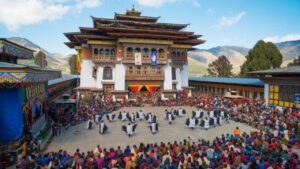
Rinpung Dzong is still used as a religious and government center. Monks walk through the open areas, locals show up to pray, and the day-to-day activities go on as if nothing is happening. This place gives you a good sense of the culture before you go deeper into the country.
Things to do in Paro Valley
- Walk through traditional villages with whitewashed homes
- Visit local farmhouses and observe daily cooking practices
- Join morning prayer sessions at neighborhood temples
- Explore local markets offering regional produce and crafts
Paro helps travelers understand Bhutan through experience rather than explanation.
Bumthang: Spiritual Traditions & Cultural Significance
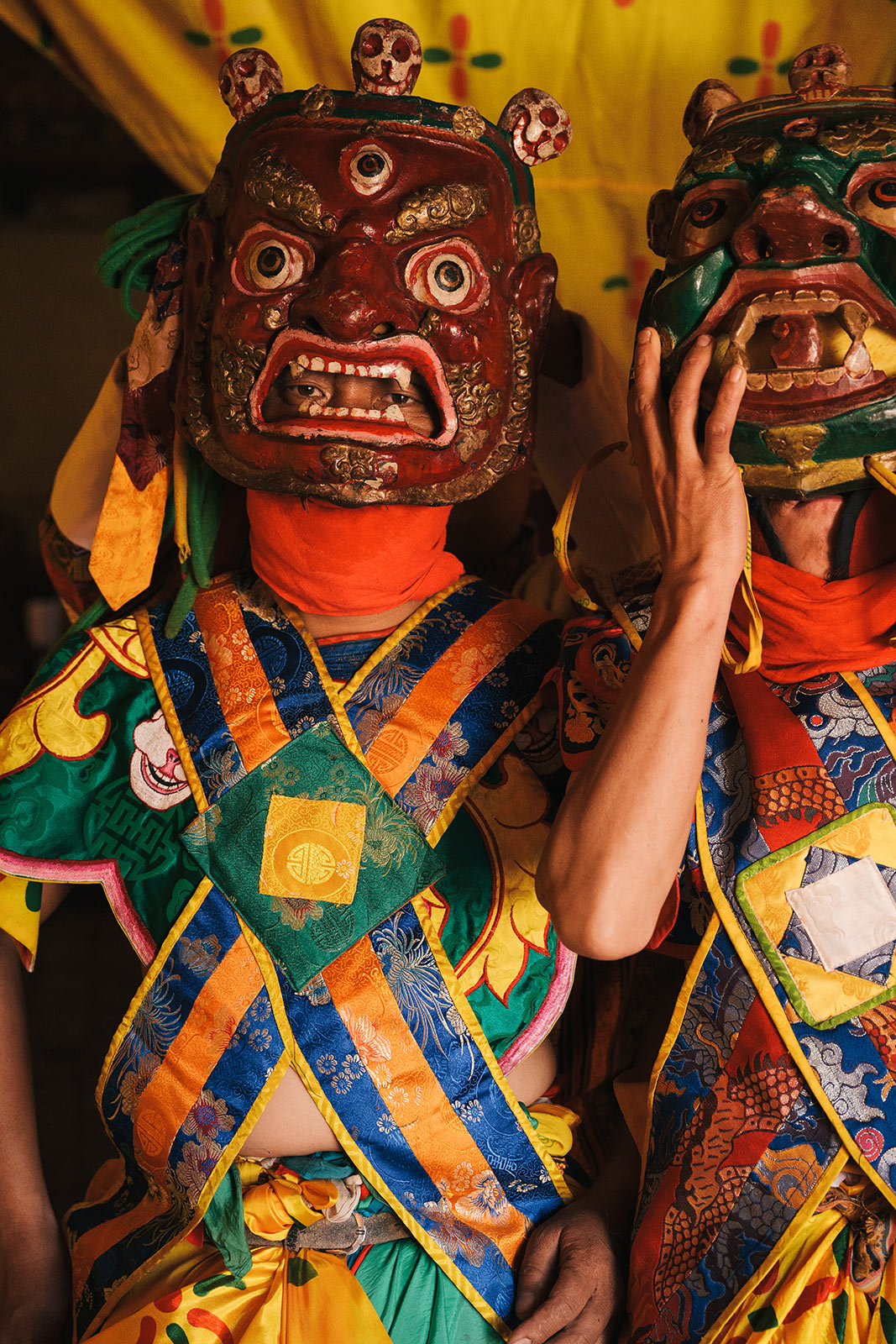
Bumthang holds some of Bhutan’s oldest temples and deepest legends. The region’s cultural importance comes from continuity rather than scale.
May weather supports relaxed exploration between monasteries, villages, and open valleys. Rituals continue without schedule adjustments.
Things to do in Bumthang
- Visit ancient temples still active with daily worship
- Walk between monasteries through open countryside
- Observe monastic debates and chanting sessions
- Listen to regional stories shared by local residents
Bumthang suits travelers seeking meaning over spectacle.
Haa Valley: Tradition Preserved Through Routine
Haa Valley remains one of Bhutan’s least changed regions. Culture here continues through daily rhythm rather than deliberate preservation. Homes follow ancestral building styles. Farming follows seasonal patterns. Customs pass quietly from one generation to the next.
May improves access to the valley while keeping life undisturbed. Fields become active, footpaths reopen, and community routines unfold at their natural pace. Exploring Haa through cultural and heritage journeys allows deeper understanding of how traditions, festivals, and spiritual life remain woven into everyday existence in an unspoiled landscape.
Things to do in Haa Valley
- Visit traditional homes built using age-old techniques
- Observe seasonal agricultural work in village fields
- Walk historic village trails used for generations
- Learn about regional customs unique to Haa
Haa offers rare insight into how Bhutanese culture endures far from busy travel corridors, sustained through habit, belief, and shared responsibility rather than display.
Tiger’s Nest Monastery: A Sacred Walk Above the Valley
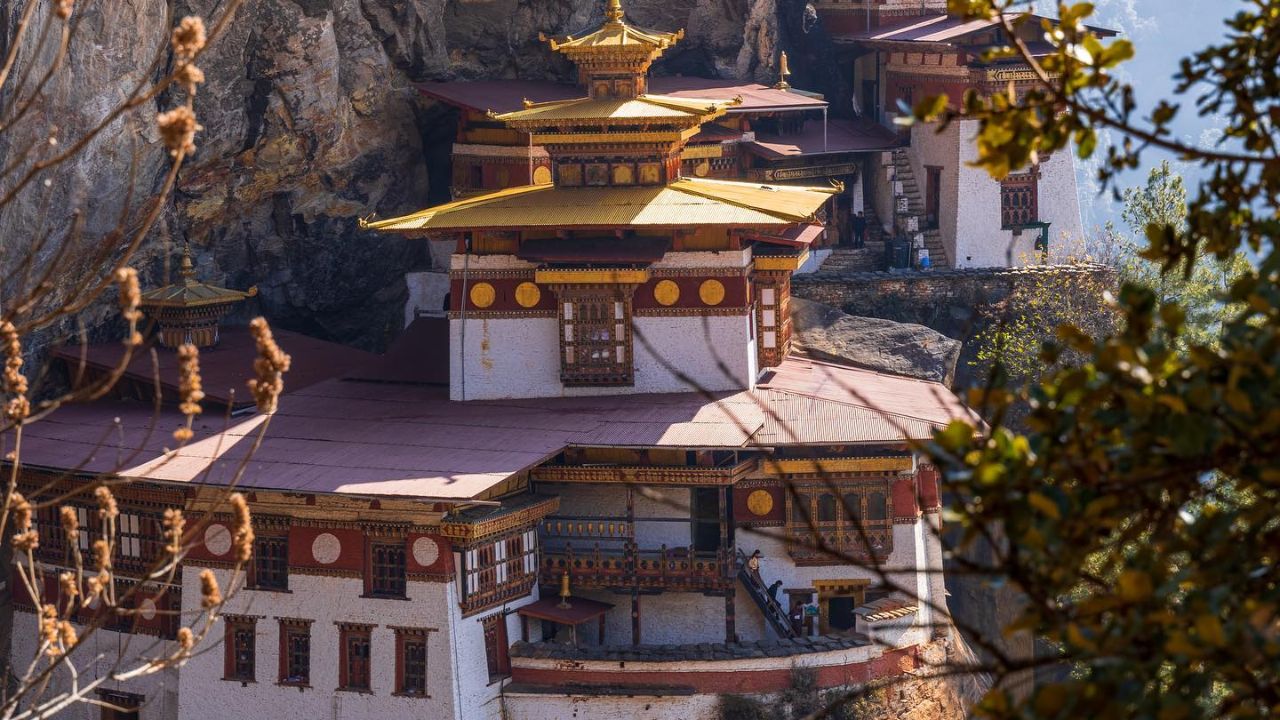
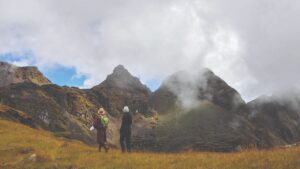
Taktsang Monastery, known as Tiger’s Nest, is approached by a forest trail that encourages patience and awareness. The path itself prepares visitors for the spiritual space above.
May conditions keep the trail dry and shaded. Pine forests stay lush, and clouds drift slowly across the cliff face. Prayer flags mark progress along the way, reminding visitors of the site’s religious importance.
Things to do at Tiger’s Nest
- Walk the full trail at a steady, unhurried pace
- Pause at viewpoints designed for reflection
- Enter prayer halls respectfully where permitted
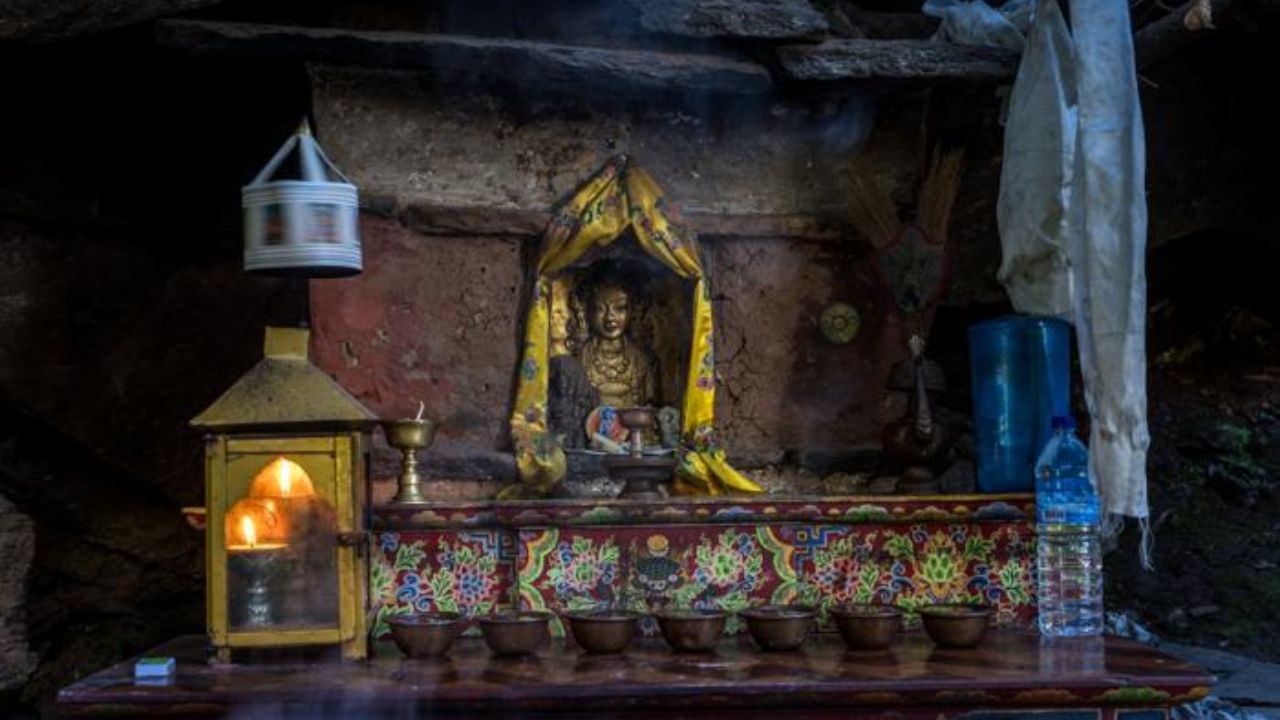
- Light butter lamps and observe ritual silence
The experience becomes meaningful through stillness rather than speed.
Thimphu: Living Culture in the Capital
Thimphu shows that tradition and modern life coexist with ease. Traffic lights remain absent. Traditional clothing stays part of daily life. Office hours blend naturally with age-old routines and religious practice.
In May, life shifts outdoors. Markets grow livelier. Families gather in open spaces. Monasteries stay active throughout the day.
A visit to the National Biodiversity Centre adds quiet depth, offering insight into native plants, seed conservation, and how nature supports daily living in Bhutan.

Botanical-focused journeys in 2026 often include this stop to connect forest landscapes with cultural understanding.
Things to do in Thimphu
- Walk clockwise around the National Memorial Chorten with locals
- Observe artisans practicing painting, carving, and sculpture
- Visit weekend markets selling fresh produce and snacks
- Explore residential areas to witness everyday routines
Thimphu remains one of the most informative places to visit in Bhutan in May for understanding how cultural balance truly works.
Punakha Valley: Rituals Shaped by Rivers
Punakha feels open, warm, and grounded. Its lower elevation makes it one of the first valleys to return to full agricultural rhythm after winter. By May, fields turn green, village paths grow active, and daily life settles into a steady pace.
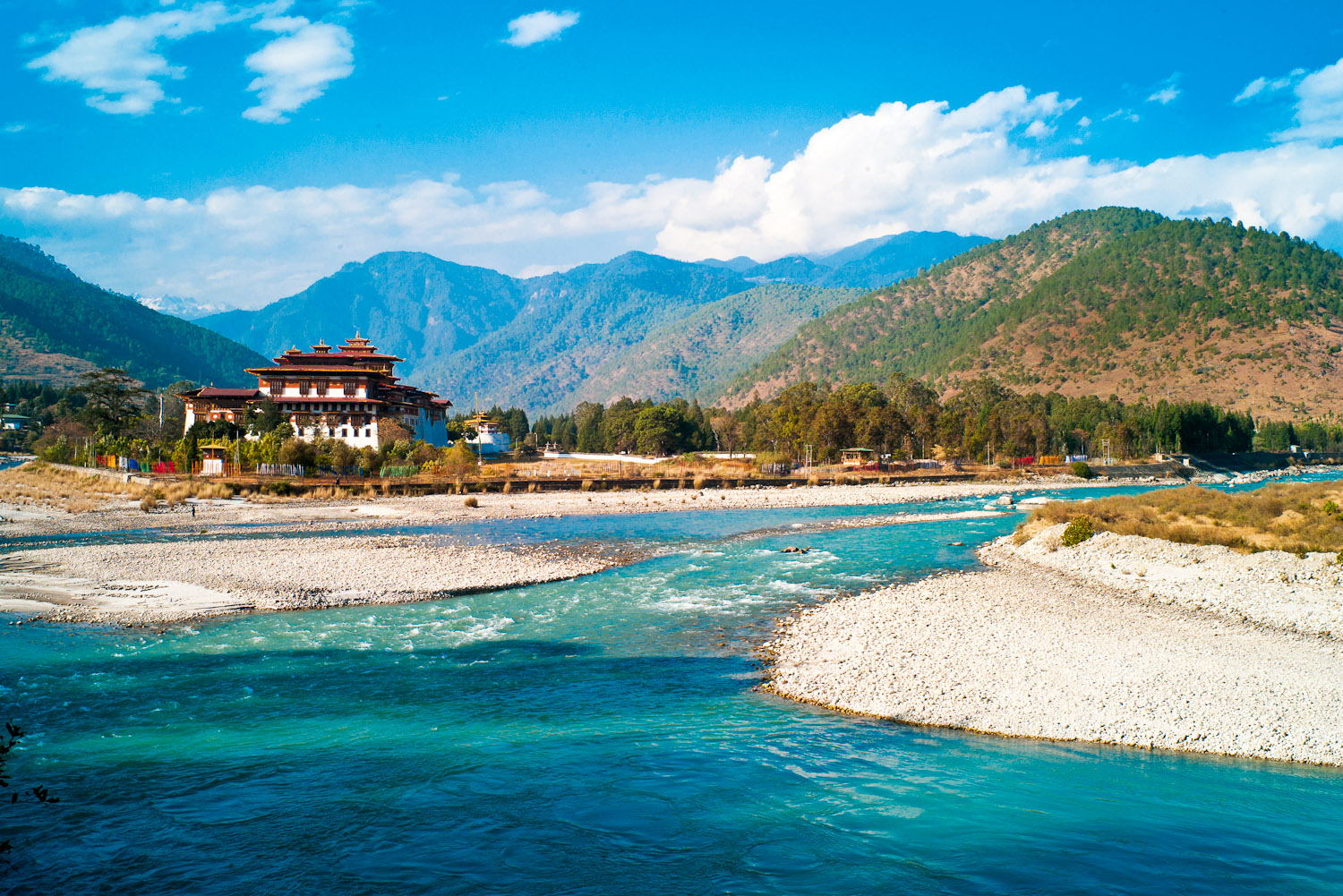
Punakha Dzong stands at the confluence of the Pho Chhu and Mo Chhu rivers, serving as both a historic stronghold and an active religious center. As temperatures rise, monastic communities return from higher regions, restoring prayer schedules, teachings, and ceremonial routines within the dzong.
The rivers also support gentle white-water rafting, especially suitable in late spring. Rafting here remains calm and scenic rather than extreme, offering views of forests, villages, and the dzong from the water.
Things to do in Punakha
- Walk across the Punakha Suspension Bridge, linking nearby villages
- Observe daily monastic activities inside the dzong during open hours
- Take village walks through rice fields and riverside paths
- Enjoy light river rafting on the Mo Chhu or Pho Chhu
- Spend quiet evenings near the river as families gather and children play
In Punakha, culture flows gently, shaped by water, land, and daily tradition rather than spectacle.
Phobjikha Valley: Everyday Life in the Open Valley
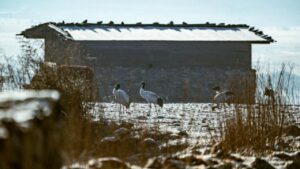
Phobjikha Valley offers insight into rural Bhutanese life shaped by land and community. Known for wintering cranes, the valley in May reveals agricultural preparation and village routines.
Homes remain modest. Life follows seasonal patterns. Interaction feels unhurried and genuine.
Things to do in Phobjikha
- Walk village paths linking farms and settlements
- Share traditional meals prepared from local ingredients
- Learn about conservation and sustainable farming
- Visit small temples used exclusively by nearby communities
Phobjikha answers a common travel question quietly: everyday Bhutan remains accessible and welcoming.
Local Festivals and Community Gatherings in May
May brings quieter regional festivals centered on blessing, renewal, and shared faith. These gatherings stay rooted in village life rather than visitor schedules. Fields turn green, monasteries reopen fully after winter, and communities come together for spiritual balance before the farming season begins.
Unlike major autumn festivals, May celebrations feel personal and unhurried. Elders guide rituals. Families gather on woven mats. Monks chant without microphones. Everything moves at a natural pace, shaped by tradition rather than crowds.
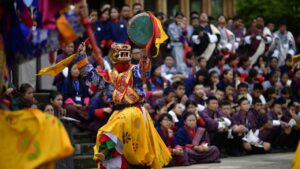
Festivals such as Domkhar Tshechu in Bumthang and Ura Yakchoe reflect this spirit. Sacred mask dances are performed for protection and merit, not applause. Relics are displayed for blessing, and villagers line up quietly, treating the moment with care.
Pairing these experiences with a culturally focused journey through Thunphel Bhutan Travels allows access that respects local rhythm while ensuring proper guidance.
Things to experience during local festivals
- Watch masked dances performed for spiritual well-being, not entertainment
- Listen to traditional instruments played live, without amplification
- Observe preparation rituals that happen before public ceremonies
- Participate gently, staying present as a guest, not an audience
These moments feel genuine because they serve a local purpose first.
Practical Cultural Activities That Fit Naturally in May
May offers stable weather and open roads, making it ideal for slow cultural movement. Daily routines continue uninterrupted, allowing visitors to step into real life rather than staged moments. Walking, listening, and observing become the main ways of learning.
Morning air stays crisp, afternoons warm gently, and evenings invite conversation. Cultural experiences feel easy to join because they follow everyday schedules rather than fixed itineraries.
Pairing a visit with Bhutan cultural tours helps align these moments naturally, allowing travelers to experience daily rituals, village life, and seasonal traditions as they unfold.
Cultural activities commonly enjoyed in May
- Early monastery visits during active prayer hours
- Evening village walks when neighbors gather outside homes
- Short cultural hikes linking temples, farms, and settlements
- Market visits timed with weekly trading days
Simple activities often leave the strongest impressions. A quiet prayer hall at dawn. A shared smile during market bargaining. A footpath that connects two villages and countless stories.
May does not rush cultural discovery. It allows it to unfold naturally, one shared moment at a time.
Why Cultural Travel Works Best in May
May allows culture to be experienced in motion rather than pause. Agriculture resumes, monastic life expands outward, and communities engage openly with seasonal change.
For travelers prioritizing authenticity, May offers access to meaningful places to visit in Bhutan in May without crowd pressure or climatic discomfort.
And as quiet moments accumulate across valleys, temples, and villages, a question often lingers naturally: how often does travel still allow space to simply observe, listen, and belong?
FAQs
Is Bhutan worth visiting in May?
Yes, May is one of the most rewarding months to visit Bhutan. Valleys turn green, wildflowers bloom across mountain slopes, and cultural life feels active rather than staged. Major festivals begin, farming season starts, and the weather supports sightseeing, short hikes, and monastery visits without harsh cold or peak-season crowds. For travelers interested in culture, nature, and daily life, May offers a balanced and authentic experience.
Which part of Bhutan is the most beautiful?
Beauty in Bhutan depends on what draws the eye and heart. Paro stands out for its iconic monasteries and peaceful valleys. Punakha impresses with rivers, flowering jacaranda trees, and open landscapes in May. Bumthang feels deeply spiritual, shaped by ancient temples and rural charm. Thimphu blends tradition and modern life, while Haa Valley offers quiet beauty and untouched scenery. Each region presents a different side of Bhutan’s character.
What is the temperature in Bhutan in May?
May brings comfortable spring weather across most of Bhutan. Daytime temperatures range between 15°C to 25°C, depending on altitude. Paro and Thimphu stay mild and pleasant, while Punakha feels warmer during the day. Evenings remain cool, making mornings and nights ideal for walks, monastery visits, and cultural activities. Light layers usually provide enough comfort throughout the day.