Bhutan in March is a smart 2026 spring pick because days turn mild and sunny, mountain views stay crisp, and a few local festivals add real color without peak season crowds.
Bhutan in March: who it’s for
If clear skies, cool hikes, and a calm pace matter, Bhutan in March fits well. Day highs in Thimphu hover around 12°C, while nights can dip close to 0°C. It feels fresh rather than freezing, and walking stays comfortable throughout the day.
March can feel quieter than late April to October, which are among the popular times of year to visit Bhutan. Travelers who dislike cool mornings or want nonstop festivals may prefer those months. But for those asking, “Is it worth the money?” March in Bhutan is. Scenic views are strong, roads are open, and logistics remain easier before the spring rush.
This is where a customized itinerary by Thunphel Bhutan Travels makes a real difference. Thoughtful pacing, local insight, and flexible planning turn March’s quieter rhythm into an immersive, stress-free experience.
The real decision then becomes simple: is the trip focused on culture, trekking, festivals, or a balanced mix designed around personal interests?
Weather in Bhutan in March (what it really feels like)
March in Bhutan is spring on the calendar, but in the valleys it still feels like late winter at breakfast. In Thimphu, long‑term averages point to daytime temperatures around 12°C with about 8 hours of sunshine, and nights that can fall to around 0°C.
Sunshine matters because the moment the sun hits the dzong walls, the air warms fast and the day suddenly feels friendly.
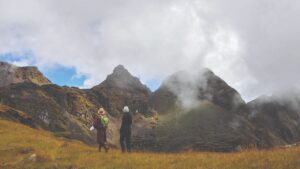
You also get the “Bhutan effect” where weather changes with altitude. A high pass can still hold snow while the valley below looks dry and golden, and that mix is exactly why March photos look so dramatic.
Rain is usually not a big story in March, but light showers can happen, and the UV can feel strong on clear days. So yes, pack warmth, but also pack sun protection, because the bright Himalayan sky does not play fair.
If packing is your stress point, think in simple layers, not big heavy gear.
- A warm mid-layer for mornings and nights (fleece or light down).
- A windproof outer layer for passes and viewpoints.
- Sunglasses and sunscreen for high UV on clear March days.
- Comfortable walking shoes with grip for dusty trails or the odd damp patch.
Bhutan in March Weather: Year-Round Context (Quick Comparison)
| Season | Months | Weather | Travel Experience |
| Winter | Dec–Feb | Cold, dry | Quiet, limited trekking |
| Spring | March | Cool, dry, clear skies | Best balance for culture & light treks |
| Peak Spring | Apr–May | Mild, pleasant | Busier, more festivals |
| Monsoon | Jun–Aug | Warm, wet | Lush but risky travel |
| Autumn | Sep–Nov | Mild, dry | Peak season, crowded |
March Festivals: How to Plan Without Stress
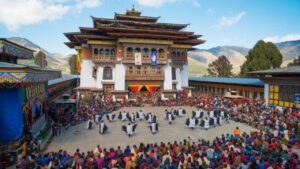
Many travelers plan Bhutan around tshechus, then feel uneasy when they learn festival dates shift with the lunar calendar. The good news is that March 2026 offers genuine options, particularly for those open to Central and Eastern Bhutan rather than only the Paro–Thimphu–Punakha route.
Festival calendars for March 2026 list:
- Tangsibi Mani, Bumthang: 4th–6th March 2026
- Chorten Kora, Trashiyangtse: 3rd March 2026 (tentative)
Some listings also show additional March dates for Chorten Kora, which is a reminder to reconfirm festival days close to booking.
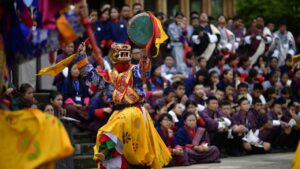
Here is the honest part rarely mentioned. Festivals are beautiful, but they move slowly. Visitors stand, watch, wait, snack, and watch again. Time stretches in a gentle and unhurried way.
If that rhythm feels joyful, a full festival day fits well. If it feels tiring, a cultural itinerary with a shorter festival visit often feels more balanced. Customized planning with Thunphel Bhutan Travels helps set that expectation early and shape the experience around comfort, not obligation.
For travelers focused on March festivals, openness to Central and Eastern Bhutan expands possibilities and reduces crowd pressure. Lunar calendars shift, local changes happen, and flexibility remains the quiet advantage.
Popular times of year to visit Bhutan (and why March is different)
The popular times of year to visit Bhutan are usually spring and autumn because skies are clear, temperatures are pleasant, and major festivals often land in those windows. That popularity is great for the atmosphere, but it can also mean higher demand and less flexibility in pacing.
March sits just before the busiest spring weeks. That makes it a sweet spot if you want the “open-road Bhutan” feeling, where your guide can stop at a viewpoint because the light is perfect, not because the schedule says so. It is also a kinder month for long walks because the cool air keeps you from overheating on climbs.
So ask yourself this: do you want Bhutan at its loudest and busiest, or Bhutan with breathing room?
Best things to do in Bhutan in March (experience-driven picks)
March is ideal for the classic mix: culture, one big hike, and a few quiet moments that you did not plan but will remember. Keep your days realistic, because Bhutan looks small on a map but mountain roads slow everything down.
1) Hike to Tiger’s Nest without overhearing
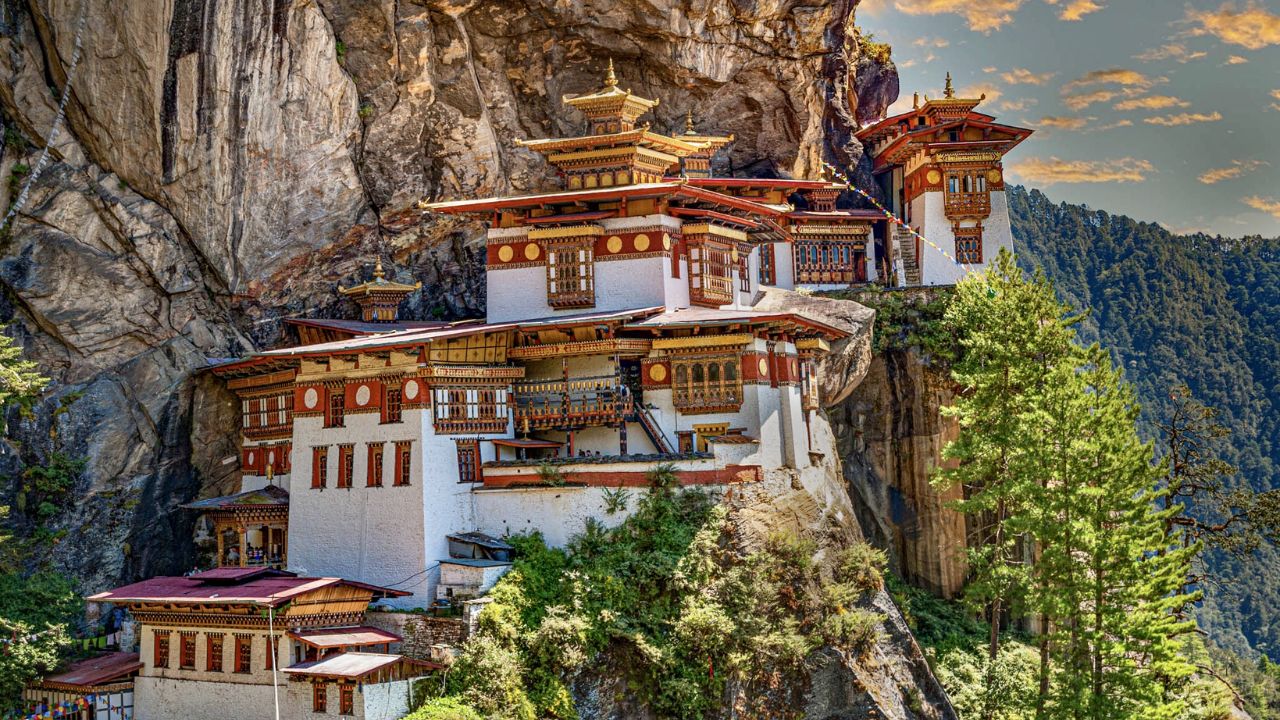
Photo Credit: Department of Tourism Bhutan
Many travelers wonder, “Is this hike okay for beginners?” For most visitors, the Tiger’s Nest trail is challenging, but manageable with breaks and a steady pace. March makes a real difference. Cooler air reduces fatigue, and the climb feels far less draining than in warmer months.
Another common concern is altitude. Some feel it, some do not. The solution is unglamorous but effective: slow down and drink water. March helps, as the cooler weather makes exertion easier.
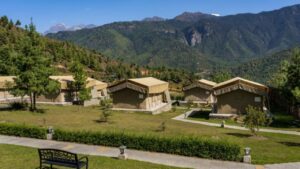
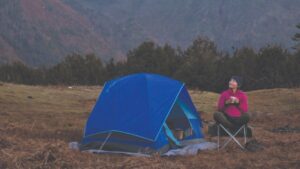
For those wanting to pair the Tiger’s Nest hike with something quieter and more immersive, the Bumdra Trek offers a gentle extension. It adds spiritual depth, clear-sky glamping, and a gradual descent into Tiger’s Nest, rather than a straight up-and-down climb.

Photo Credit: Department of Tourism Bhutan
2) Do the West Bhutan Triangle, but Do It Slowly
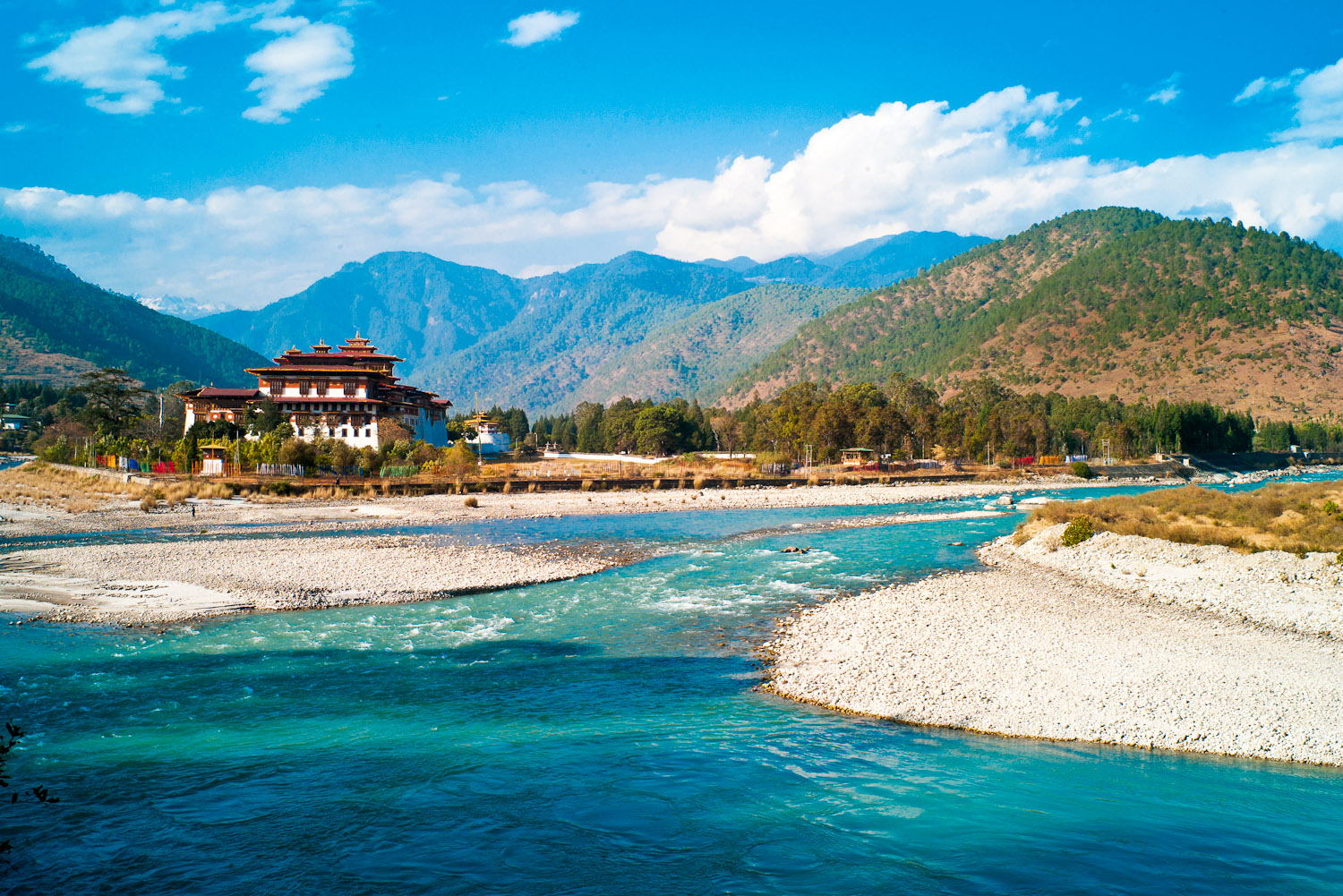
The Paro–Thimphu–Punakha route remains the best first-timer introduction to Bhutan. In March, clear roads and bright skies make it easier to stop for viewpoints without feeling rushed. Punakha also feels gentler in spring, with warmer valley air compared to Thimphu.
A customized itinerary helps here, not by adding more stops, but by slowing down the rhythm. Shorter drive days, longer pauses at monasteries, and flexible afternoons allow the route to feel lived in rather than ticked off.
3) Chase a Smaller Festival for a Real Local Experience
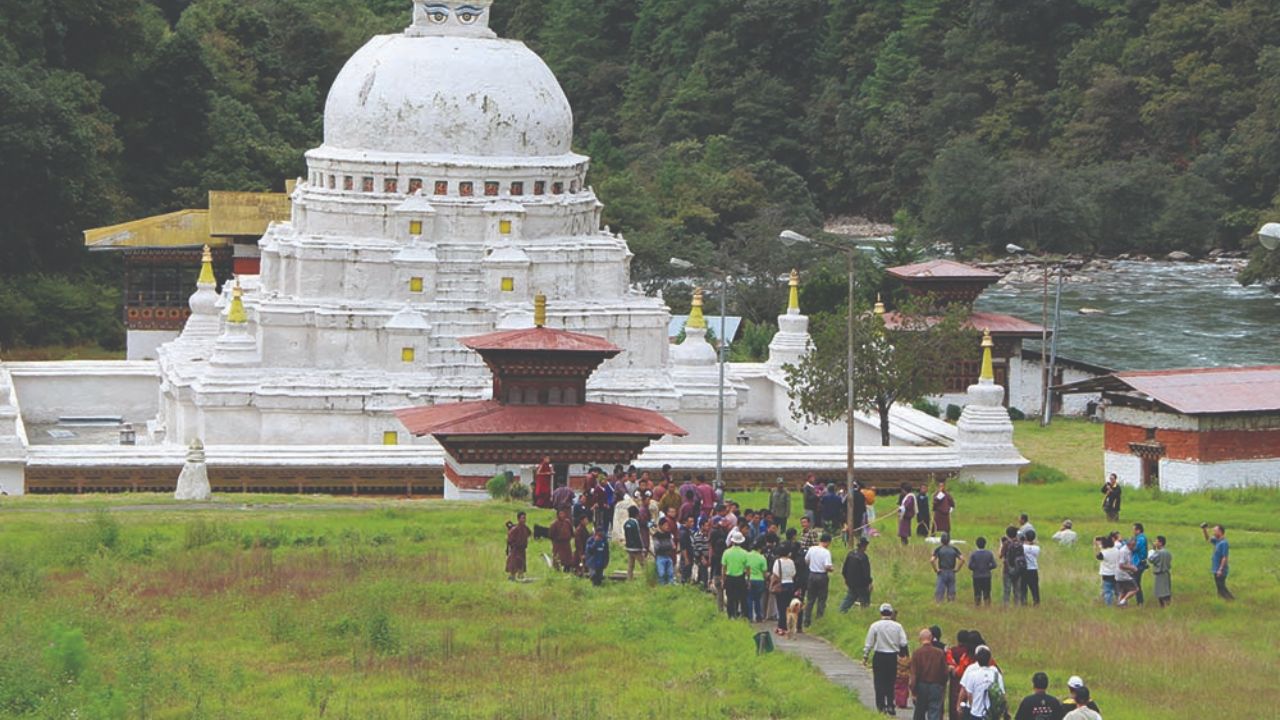
Photo Credit: Department of Tourism Bhutan
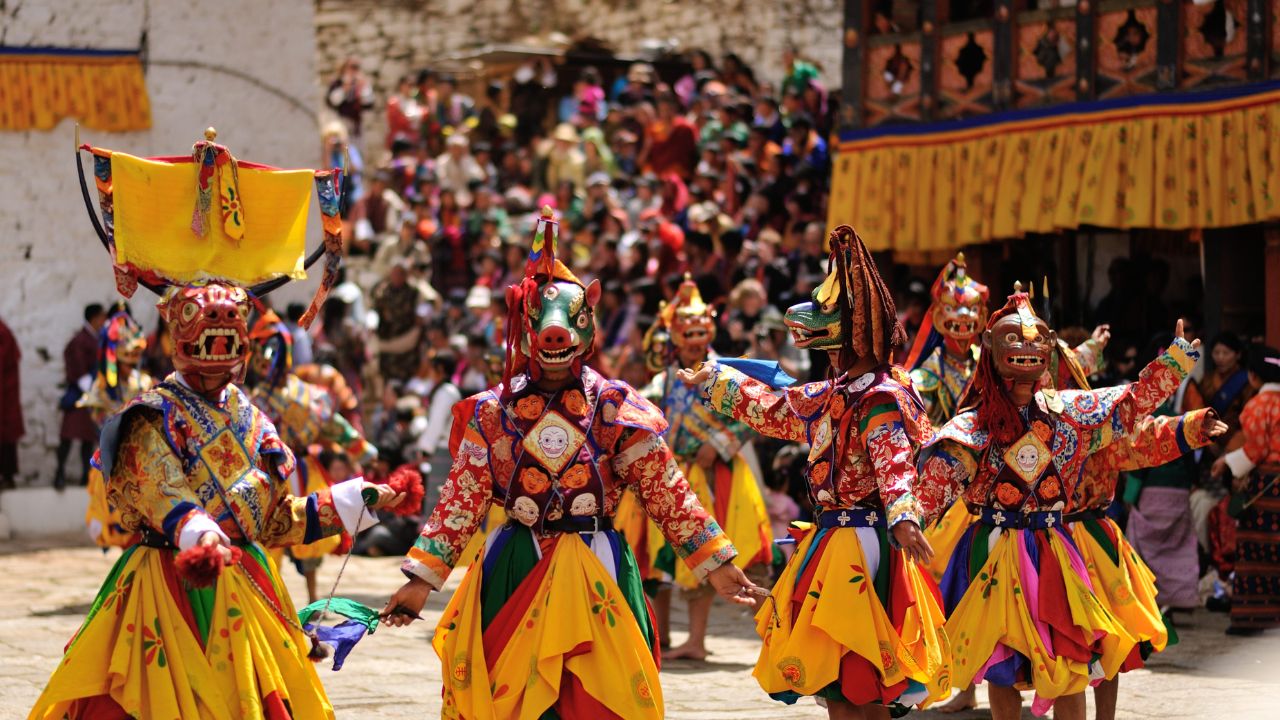
Large Tshechus can feel like performances. Smaller March festivals often feel like walking into a community’s living room. If travel dates align with events such as Tangsibi Mani or Chorten Kora, the longer drive can be worth it because the experience becomes personal rather than predictable.
This is where flexible planning truly matters. Festival days rarely follow strict schedules, and a customized itinerary with the right local travel partner allows space to wait, observe, or step away early without pressure. Travel with cultural tours and enjoy the flexibility that keeps each experience meaningful, not exhausting.
4) Plan One “Nothing” Evening on Purpose
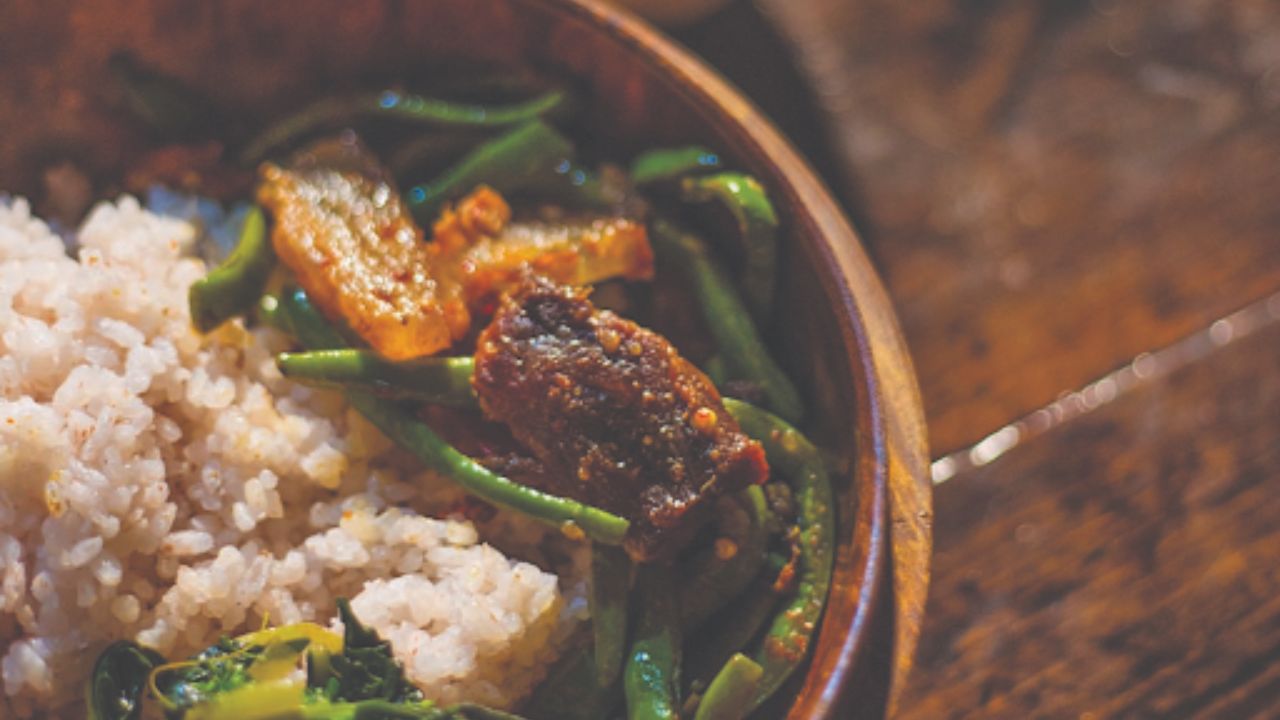
Photo Credit: Department of Tourism Bhutan
Bhutan rewards slow travel. An unplanned evening might mean tea, a short walk near the hotel, or a quiet conversation that starts casually and stays with you long after the trip ends. This is often where deeper understanding forms.
A good travel guide matters more than a full schedule. They know when to step back and let the moment happen. Building in one lighter day after Tiger’s Nest or a long drive protects that space.
Keep one evening free in Paro or Punakha for rest and to enjoy the local food. These pauses often become the most remembered parts of a March journey.
Choosing a tour in March (and why Thunphel fits)
Every traveler experiences Bhutan differently. Some come for living culture, others for quiet treks, and many plan their visit around festivals. March rewards thoughtful planning, not rigid schedules, which is why private, customized itineraries by Thunphel Bhutan Travels matter.
All journeys are private, flexible, and designed by local Bhutan experts, allowing travel style, pace, accommodation type, and regional focus to align naturally.
Travelers can shape their March journey through:
- Luxury itineraries with refined stays, slower pacing, and scenic locations
- Exclusive private tours suited for couples, families, or small groups seeking privacy
- Customized accommodation choices that balance comfort, location, and cultural immersion
- Tailor-made routes focused on culture, trekking, festivals, or a thoughtful mix
This flexibility becomes especially important when festivals enter the plan.
Easy March planning checklist (so you book with confidence)
March trips go smoothly when you decide a few things early, then leave the rest flexible.
- Decide your core theme: cultural loop, trekking-heavy, or festival chase.
- Choose 7–10 days if you want to add Bumthang or the east without stress.
- Pack layers for 0°C nights and cool hiking days.
- Confirm festival dates before locking in on flights, because calendars can differ.
Bhutan in March can be a calm, bright journey that still feels deep and real, especially when paired with Thunphel Bhutan Travels, where the route is shaped around your pace instead of a fixed template. So what will 2026 hold: a culture-first spring escape, a quiet festival hunt, or a trek that ends each day at a dzong instead of a checklist?
FAQs: Is Bhutan in March Worth the Money?
Is Bhutan in March expensive compared to other months?
Bhutan costs remain mostly consistent year-round due to the daily Sustainable Development Fee. March does not add seasonal price spikes, which makes it better value than peak spring and autumn months when demand is higher.
What does the cost in March actually cover?
The fee supports environmental protection, healthcare, education, and cultural preservation. Tour prices also include licensed guides, local transport, accommodation, and meals, removing hidden costs.
Do travelers get more experience for the price in March?
Yes. March offers clear weather, open trekking routes, cultural access, and fewer crowds. This allows full participation in tours without weather or crowd-related compromises.
Is March a good time for cultural and festival tours specifically?
March is strong for cultural immersion and smaller local festivals. While it may not host the largest tsechus, the experiences feel more authentic and less commercial.
Does March reduce the risk of wasted travel days?
Yes. Low rainfall, stable road conditions, and predictable weather reduce the chance of itinerary disruptions, improving overall value.
Who benefits most financially from visiting Bhutan in March?
First-time visitors, cultural travelers, and those seeking community-based or wellness-focused tours gain the most value, as March supports deeper engagement without peak-season pressure.