
Bhutan hiking is ideal if you want Himalayan trails that feel peaceful, safe, and deeply personal, even without extreme trekking experience.
That single truth answers most doubts people have before planning. Bhutan does not attract hikers who want speed or status. It attracts people who want space, silence, and meaning in their walk. The trails here are shaped by culture, not competition.
If you are planning a thrilling adventure focused trip in 2026, this guide helps you choose the right trails, understand seasons, and make informed decisions without stress.
How to Use This Bhutan Hiking Guide
This guide is written the way most people plan trips in real life.
First, you want to know if Bhutan hiking is even right for you.
Then, you want to see the best trails.
After that, seasons, difficulty, and costs start to matter.
You can read it top to bottom or jump to the sections that answer your immediate questions. Either way, the goal is clarity, not overwhelm.
Bhutan Hiking Difficulty Levels Explained

Credit: Department of Tourism | Scarlett DG
Bhutan hiking routes generally fall into three simple categories. This helps you pick wisely without guessing.
Easy Hiking Trails in Bhutan
These are short, well maintained routes with gradual elevation gain. They suit beginners, families, and travelers mixing hiking with sightseeing.
Moderate Bhutan Hiking Trails
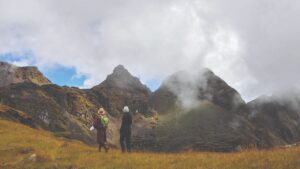
These include multi day treks with steady climbs, camping, and higher passes. Fitness matters, but technical skills do not.
Challenging Bhutan Treks
These are long, high altitude routes requiring experience, patience, and proper acclimatization. They reward effort with rare landscapes.
Most travelers choose easy to moderate routes and feel satisfied without pushing limits.
Best Seasons for Bhutan Hiking
The season you choose shapes the entire experience. Weather, visibility, and trail comfort all depend on timing.
Spring (March to May)
Spring is one of the best seasons for bhutan hiking. Days feel mild, forests bloom, and mountain views remain clear. Higher altitude trails become accessible again after winter.
Summer (June to August)
Summer brings lush greenery and fewer visitors. Rain falls mainly in the afternoons. Trails stay quiet, but flexibility matters.
Autumn (September to November)
Autumn is peak hiking season. Skies turn crisp, views stretch far, and trail conditions stay stable. October is especially popular.
Winter (December to February)
Winter hiking works best at lower elevations. Trails feel peaceful, but nights get cold. Snow may block high passes.
For first time hikers, spring and autumn offer the most balance.
Top 8 Bhutan Hiking Trails for 2026
Each trail in Bhutan offers a different feeling. Some feel spiritual. Others feel deeply quiet. Choosing the right trail depends on what you want to experience, not how far you want to walk. You can check all the Trekking Adventures here.
1. Tiger’s Nest (Paro Taktsang) Hike
This is the most visited hike in Bhutan, and for good reason.
The trail climbs steadily through pine forest toward a monastery built into a cliff. You walk past prayer wheels, resting platforms, and viewpoints that slowly open up.
The hike is short, but the atmosphere feels powerful. Many hikers say the silence near the monastery stays with them long after the walk ends.
It is a great first hike to understand Bhutan’s pace and rhythm.
2. Druk Path Trek

The Druk Path Trek is one of the best introductions to bhutan hiking.
It connects Paro and Thimphu through high ridges and alpine lakes. Each day brings new scenery without sudden difficulty.
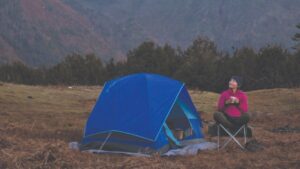
Camping near still lakes feels peaceful rather than rugged. Clear mornings often reveal snow covered peaks in the distance.
This trek suits people who want a full trekking experience without feeling overwhelmed.
3. Gangtey Nature Trail
This trail feels gentle from start to finish.
The path runs through the wide Phobjikha Valley, surrounded by forests and open farmland. Walking feels easy and unhurried.
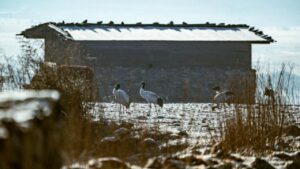
In winter, black necked cranes appear in the valley. Locals treat them with deep respect.
It is ideal for travelers who want nature without physical strain.
4. Bumthang Owl Trek
This trek blends hiking with daily village life.
You walk through forests, across small streams, and past ancient monasteries. Children wave as you pass farms and homes.
The trail feels quiet and personal. Evenings are spent near small settlements rather than remote camps.
It is a good choice if you value culture as much as scenery.
5. Dagala Thousand Lakes Trek
This trek feels open and expansive.
You start in forested areas and slowly move into high plateaus. Dozens of clear lakes appear along the route, each reflecting the sky.
The walking pace stays steady. Altitude increases gradually, giving your body time to adjust.
Many hikers describe this trek as peaceful rather than dramatic.
6. Jomolhari Trek
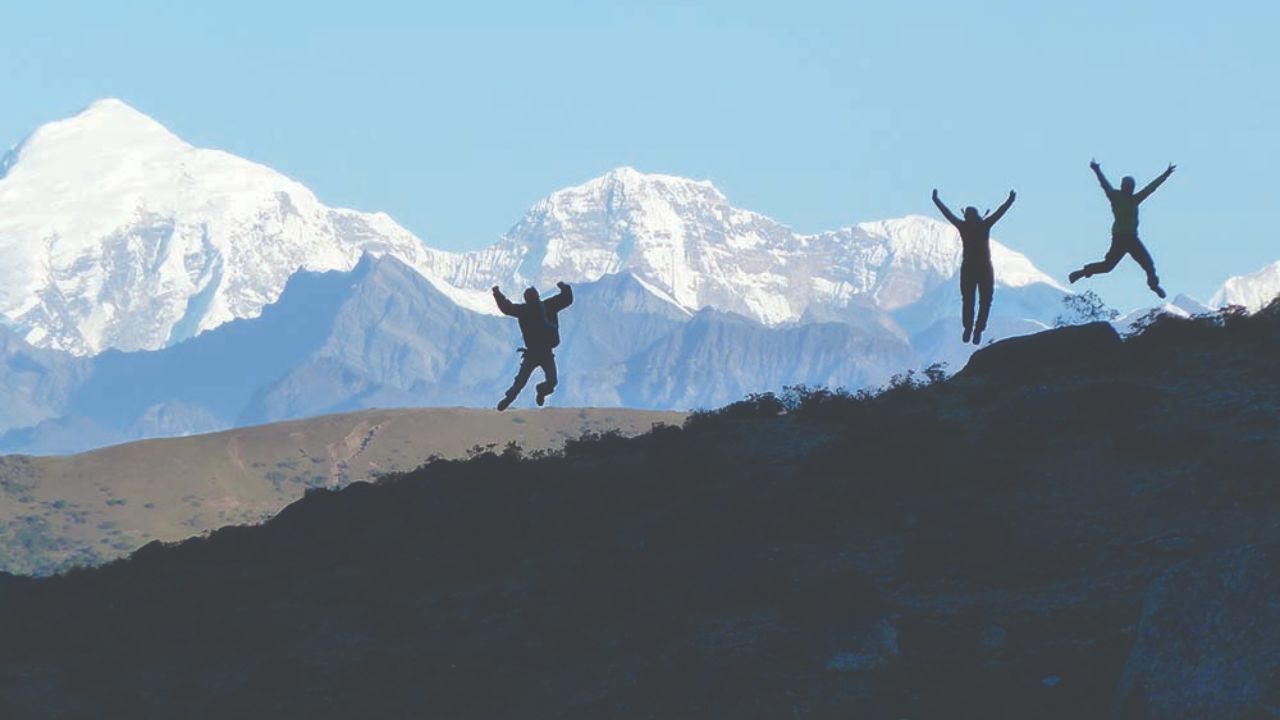
Credit: Department of Tourism
This is one of Bhutan’s most scenic high altitude hikes.
The trail passes wide valleys, yak pastures, and rivers fed by glaciers. Sacred peaks stay visible for several days.
Campsites feel remote but organized. The air feels thin but manageable with proper pacing.
This trek suits hikers ready for longer days and colder nights.
7. Trans Bhutan Trail (Selected Sections)
This historic trail once connected Bhutan’s valleys.
Today, hikers can walk selected sections rather than the entire route. Each section reveals different landscapes and communities.
You pass old trade paths, stone bridges, and quiet villages. The sense of history feels strong.
This trail works well for travelers interested in Bhutan’s past.
8. Bumdra Trek with Glamping
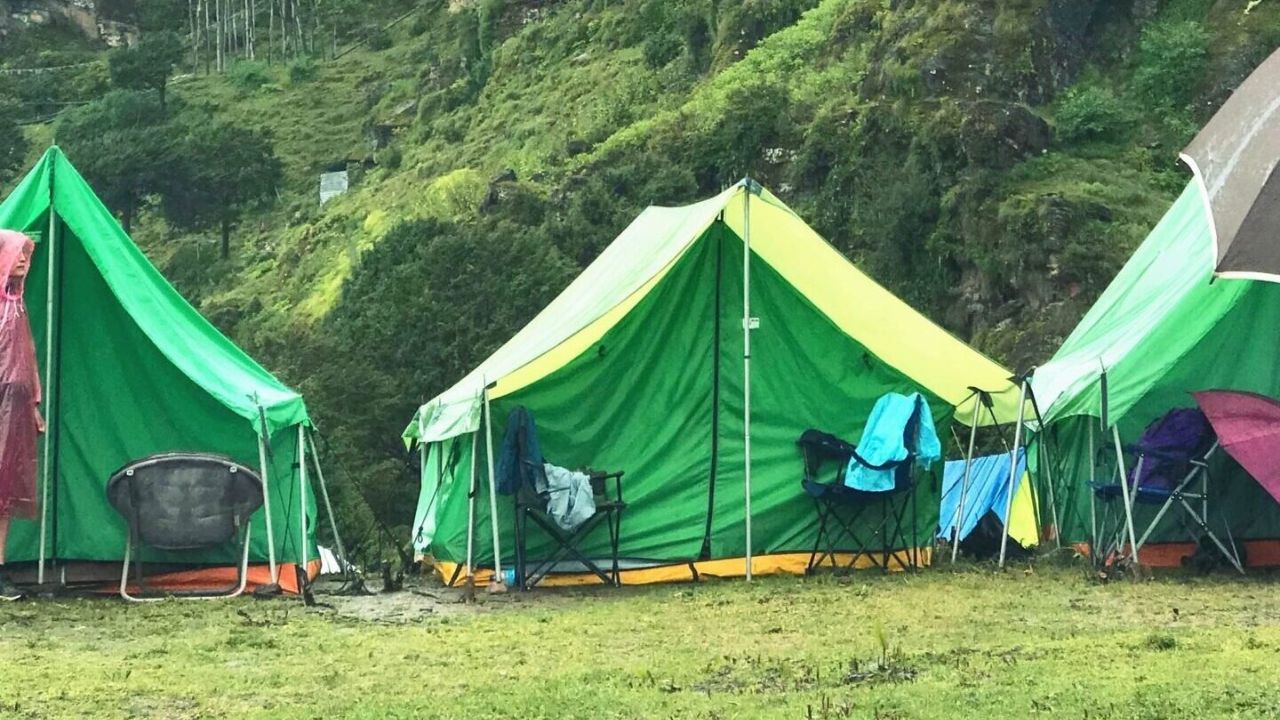
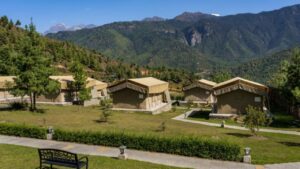
Bumdra Trek with glamping begins near Paro and follows gentle forest trails. The hike stays moderate and moves through pine woods and open ridges.
Evenings are spent in comfortable glamping tents set in quiet mountain settings. The experience suits travelers who want nature, views, and comfort together.
Will Altitude Be a Problem While Hiking in Bhutan?
Altitude affects everyone differently, but Bhutan manages it well.
Treks are designed with gradual climbs and rest days. Guides monitor symptoms and adjust pace. Serious altitude issues are rare on beginner and moderate routes.
Hydration, slow movement, and listening to your body matter more than fitness levels.
Do You Need a Guide for Bhutan Hiking?
Yes. Bhutan requires licensed guides for hiking and trekking.
This works in your favor. Guides handle permits, logistics, weather decisions, and safety. They also explain culture, traditions, and daily life you might otherwise miss.
Thunphel Bhutan Travels designs treks around balanced pacing and practical schedules. The Bhutan trekking adventures appeal to travelers who want ease without pressure.
Bhutan Trekking Logistics You Should Know
Before hiking, a few basics help avoid surprises.
- Permits are mandatory
- Independent trekking is not allowed
- Local guides and support staff are included
- Tourism regulations protect trails and villages
Well curated Bhutan trekking packages simplify this process without removing flexibility.
What to Pack for Bhutan Hiking
Packing smart keeps the experience comfortable.
- Broken in hiking shoes
- Warm mid layer
- Light rain jacket
- Sun protection
- Trekking poles
- Small backpack
Avoid overpacking. Simpler gear works better on Bhutan trails.
Is Bhutan Hiking Worth the Cost?
Bhutan travel costs more than many destinations, but value shows in experience quality.
Trails stay uncrowded. Camps feel organized. Cultural access feels genuine. You are not rushing or negotiating logistics daily.
Many travelers feel the cost balances out through peace of mind and depth of experience. Pair your visit with Thunphel Bhutan Travels that include logistics, meals, and support that remove hidden stresses during your travel.
How Hiking Fits Into a Complete Bhutan Trip
Most people combine hiking with cultural exploration.
A few hiking days followed by monastery visits or valley tours help with recovery and perspective. This balance prevents fatigue and keeps the trip engaging.
You can explore curated trekking tours, where routes are structured to flow naturally with the rest of the journey.
Real Questions Worth Asking Before You Decide
Before committing, pause and reflect.
- Is this trek suitable for my fitness level?
- Will altitude affect me?
- Do I value quiet experiences over fast itineraries?
- Is this experience worth the investment to me?
Bhutan hiking rewards those who choose patience over pressure. It offers something rare in modern travel. A chance to walk slowly, notice deeply, and feel present without needing to prove anything.
And that leaves one final question.
What might change if your next journey asked you to slow down instead of speed up?