The best season to visit Bhutan in 2026 is spring (March to May) and autumn (September to November), when weather stays clear and festivals bring the country to life. But timing is not only about climate. It shapes the kind of experience you have, from quiet forest walks to vibrant festival days in Thimphu. This guide helps you choose the right season and plan an itinerary that truly fits your travel goals.
Why Season Matters More in Bhutan Than Other Countries
Bhutan is not a place you simply visit on an impulse. Travel here works best when timing, experiences, and pace come together. Some months feel perfect for slow walks through dzongs and quiet villages where time seems to stretch. Other months suit travelers who enjoy early mornings, cool air, and peaceful mountain trails. Festivals follow their own rhythm, and arriving at the right time can turn a visit into something deeply memorable.
Pairing the journey with Thunphel Bhutan Travels makes that rhythm easier to follow. Their local insight helps shape a trip around the season, whether that means planning days around festivals, choosing scenic valley routes, or balancing sightseeing with time to pause and observe. Each itinerary is thoughtfully customized, so the experience feels smooth, unhurried, and personal.
When the season and the plan align, Bhutan feels warm and open, almost as if it is guiding the journey itself. That sense of flow is often what travelers remember long after the trip ends.
Best Season to Visit Bhutan: Spring (March to May)
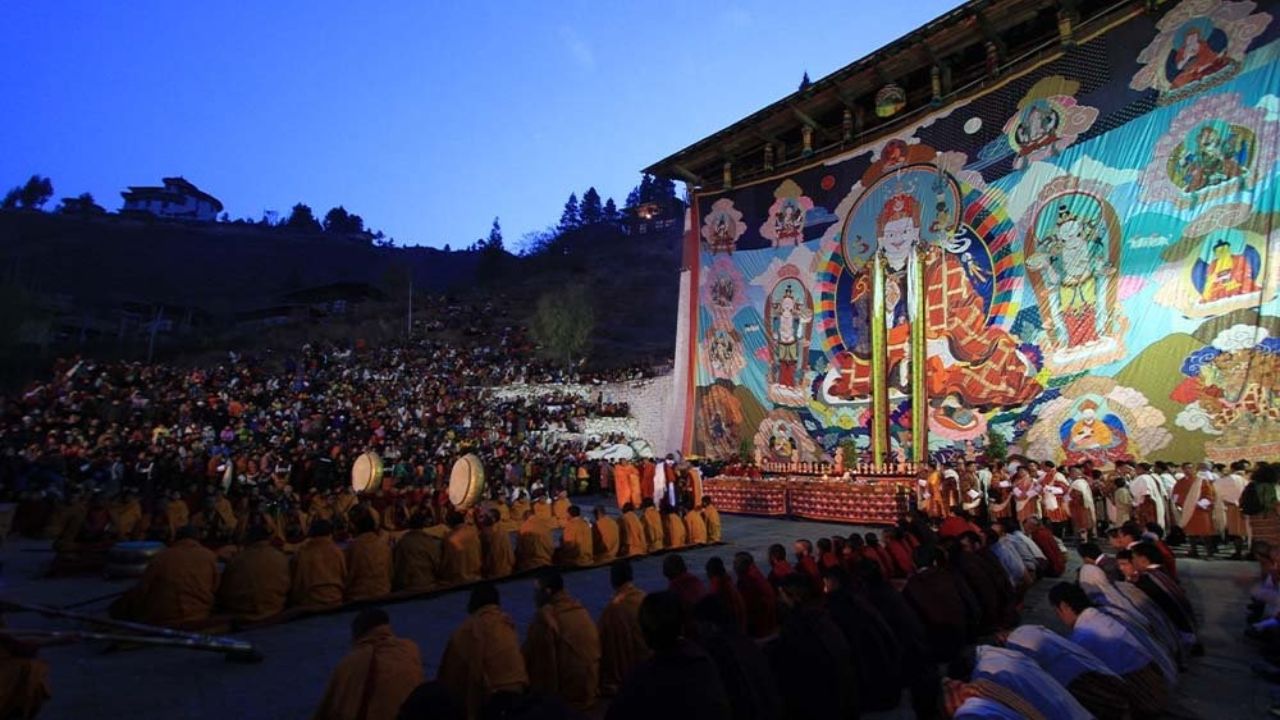
Spring is one of the most lively and beautiful times in Bhutan. Valleys wake up after winter. Rhododendrons bloom along mountain roads. Fields turn green, and skies stay clear through April and early May. Days feel pleasant, and nights stay cool.
Spring is also rich in festivals and celebration, making it an ideal season for cultural travel. Here are some of the key spring festivals you can experience:
Key Spring Festivals in Bhutan (March to May)
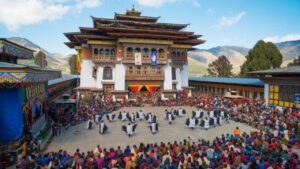
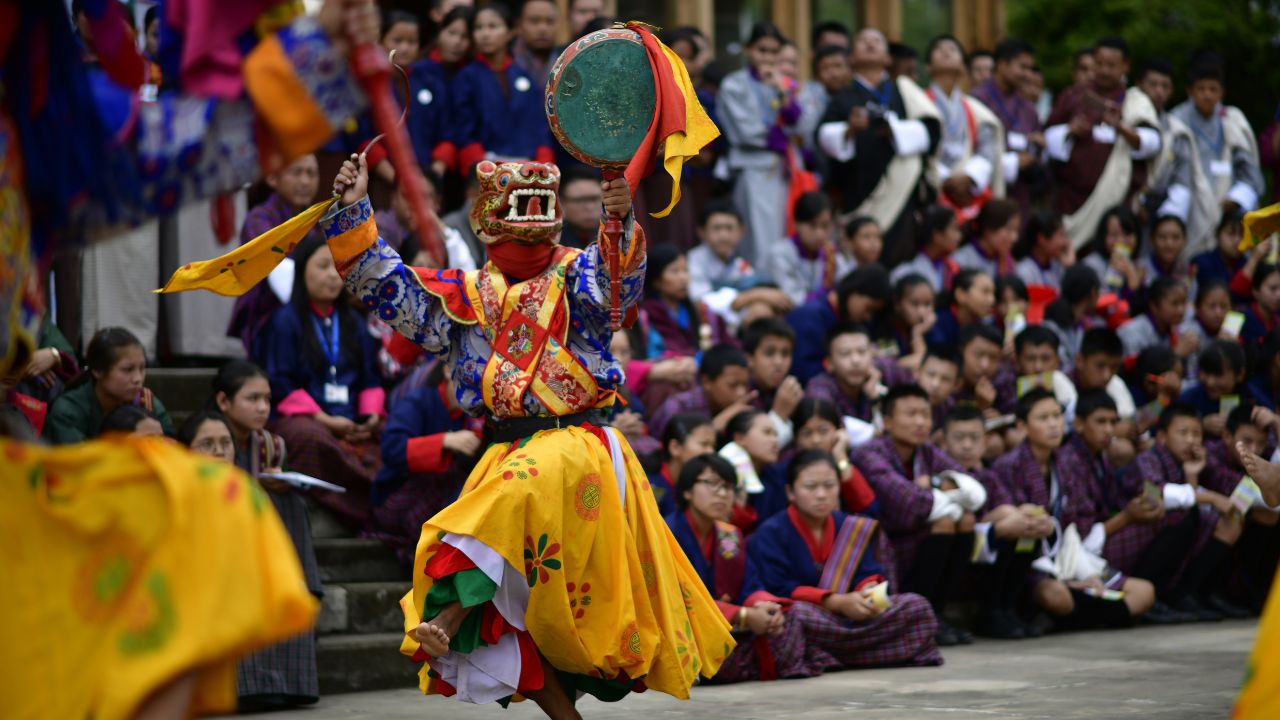
Paro Tshechu (29 March–2 April, Rinpung Dzong, Paro)
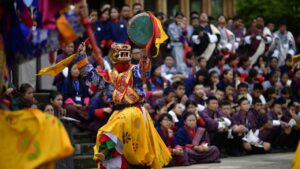
One of Bhutan’s largest festivals, known for vibrant mask dances and the sacred Thongdral revealed on the final day.
- Tharpaling Thongdrol (3 March, Tharpaling Lhakhang, Bumthang)
A deeply spiritual event where a massive religious scroll is displayed, drawing pilgrims from across the region. - Tangsibi Mani (4–6 March, Ura, Bumthang)
A prayer-focused festival reflecting traditional village life and strong local faith. - Rhododendron Festival (13–14 April, Lamperi Botanical Park, Thimphu)
A colorful celebration of Bhutan’s national flower, local food, crafts, and spring blooms. - Ura Yakchoe (28 April–2 May, Ura Lhakhang, Bumthang)
A unique and sacred festival centered around a revered relic, offering a quieter cultural experience.
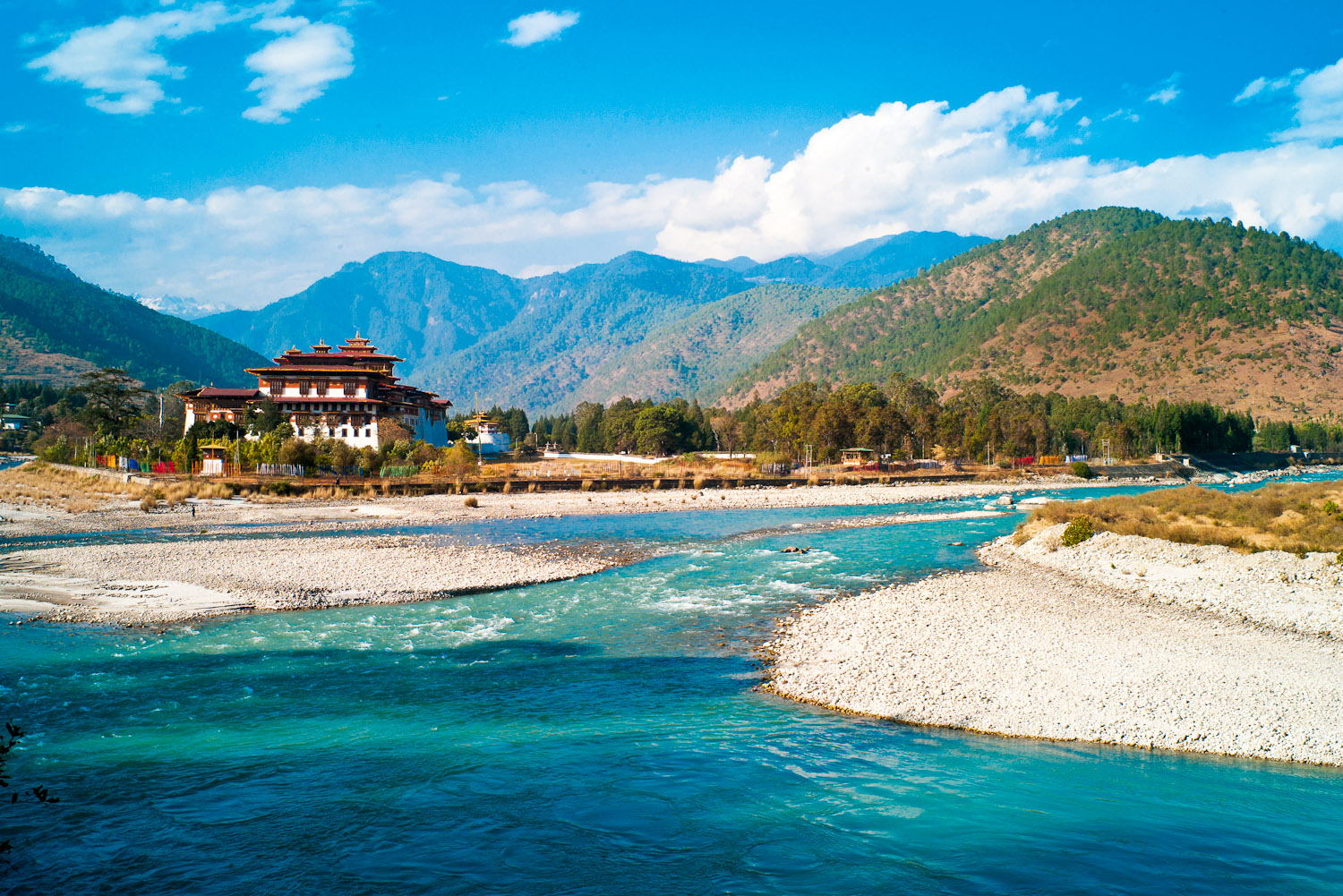
Spring is ideal for cultural tours offered by Thunphel Bhutan Travels, especially routes covering Paro, Thimphu, and Punakha. These journeys mix monasteries, local markets, and light walks without pushing the body too hard.
One common question comes up here. Is altitude a problem in spring? For most people, no. Paro and Thimphu sit high, but slow travel and proper guides keep things manageable.
Spring is busy, but not chaotic. It feels alive, not crowded.
Best Season to Visit Bhutan: Autumn (September to November)
Autumn is the strongest competitor for the title of best season to visit Bhutan.
The monsoon clears by early September. The air turns crisp. Mountain views sharpen. Days feel fresh and bright. If someone dreams of prayer flags fluttering against snow peaks, this is the season.
Autumn also brings Bhutan’s biggest festivals, which many travelers plan their entire trip around.
Autumn highlights
- Crystal clear skies and golden valleys
- Perfect trekking weather at higher altitudes
- Major festivals like Thimphu Tshechu
- Stable road and flight conditions
Festival Tours During Peak Season
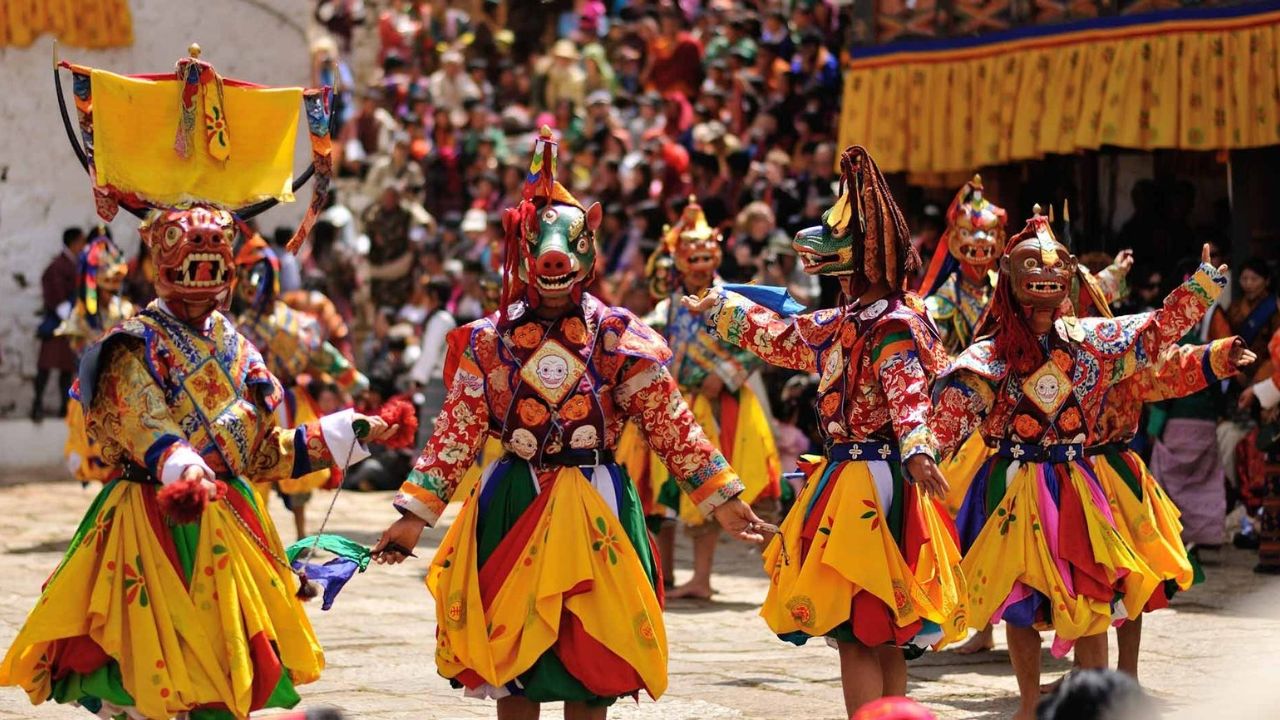
Peak season is the best time to experience Bhutan’s famous festivals, including Paro Tshechu. Festival days are thoughtfully woven into the itinerary, so travelers have time to observe rituals, understand their meaning, and soak in the atmosphere without feeling rushed. The experience feels immersive, personal, and deeply connected to local life.
Trekking Tours in the Same Season
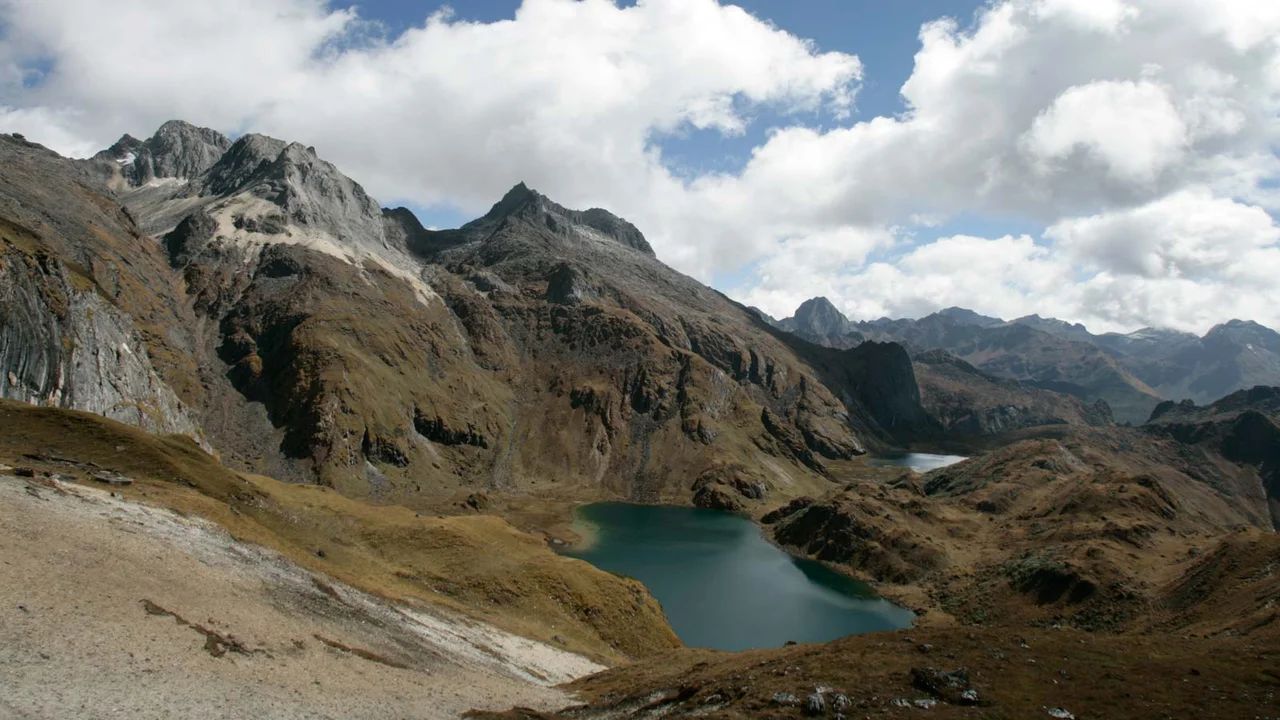
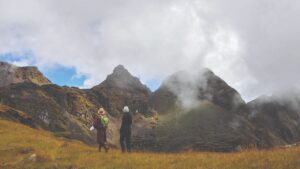
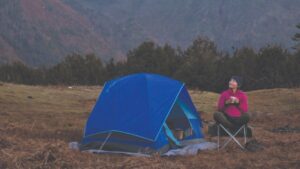
The same months also create ideal conditions for trekking experiences like the Druk Path Trek. Skies stay clear, the air feels crisp, and temperatures remain comfortable throughout the day. Routes are planned to suit the season and the group’s pace, allowing travelers to move steadily while absorbing views of forests, wide valleys, and distant mountain ridges along the trail.
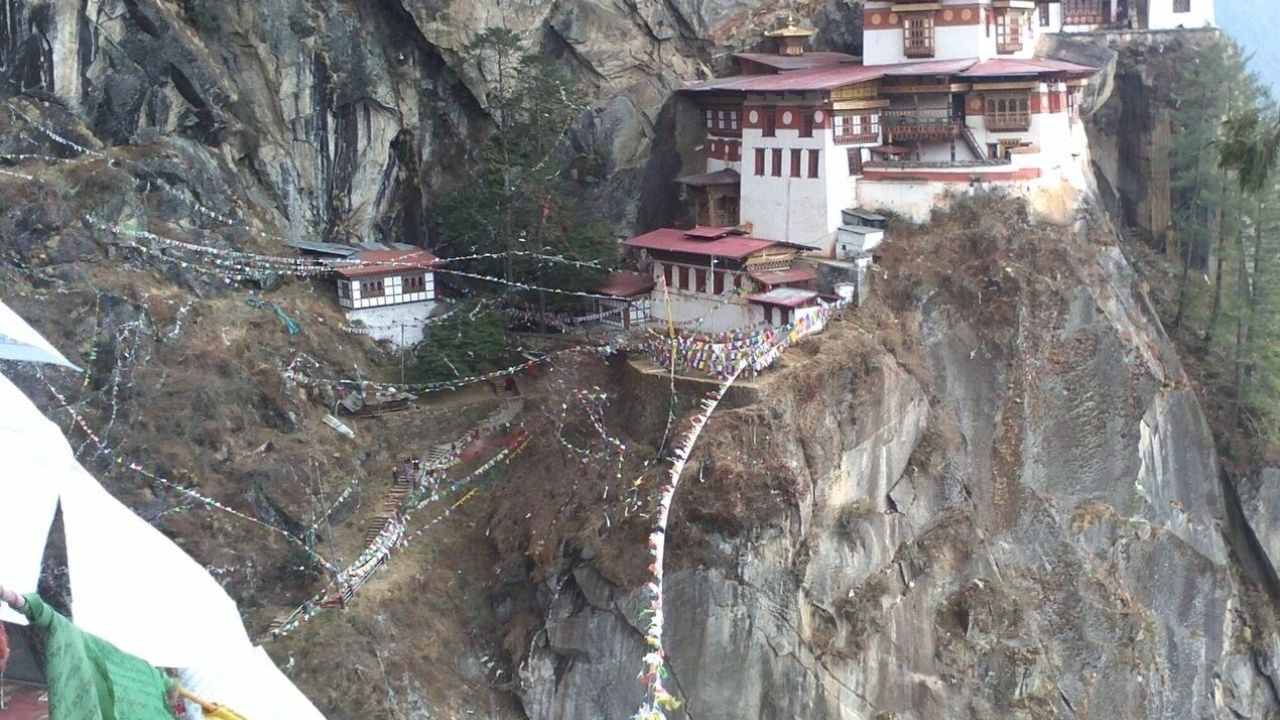
Tiger’s Nest, known as Paro Taktsang, is a short yet memorable trek in Bhutan. The trail winds through pine forests with steady climbs and scenic resting spots. Most travelers find the walk manageable and rewarding. Reaching the cliffside monastery brings a quiet sense of wonder that stays with you long after the descent.
Summer in Bhutan (June to August): The Quiet Season
Summer often scares travelers away, but it deserves a fair explanation.
This is the monsoon season. Rain comes in bursts, not all day. The countryside turns deep green. Waterfalls appear everywhere. Tourist numbers drop sharply.
For travelers who dislike crowds and enjoy slower travel, summer can work surprisingly well.
Pros of visiting in summer
- Fewer tourists and quieter monasteries
- Lower pressure on accommodations
- Lush landscapes and dramatic clouds
Cons to consider
- Landslides may affect remote roads
- Trekking routes can become muddy
- Mountain views hide behind clouds
This season suits Bhutan’s cultural tours more than long treks. Thunphel Bhutan Travels often adjusts itineraries in summer, focusing on valleys and towns rather than high passes and peaks.
A practical thought matters here. Is it worth visiting if views are hidden? If the goal is culture and calm, yes. If photography and mountains matter most, maybe not.
Winter in Bhutan (December to February): Cold but Clear
Winter in Bhutan feels sharp and clean.
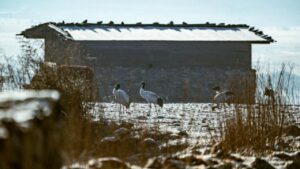
Days stay sunny, especially in western Bhutan. Nights turn very cold. High passes close. Snow dusts monasteries and fields. Tourist numbers drop again.
This season suits travelers who do not mind layering up and want a quieter experience.
What winter does well
- Clear skies and sharp mountain light
- Fewer tourists at major sites
- Lower chance of flight delays
What to watch out for
- Cold mornings and evenings
- Limited trekking options
- Some eastern routes become inaccessible
Winter works best for short cultural tours with Thunphel Bhutan Travels, especially in Paro and Thimphu. Long walks feel better after midday sun warms the air.
People often ask if winter travel feels lifeless. It does not. It feels intimate. Monks linger longer in temples. Villages slow down. Bhutan breathes differently and more naturally.
Festivals and the Best Time to Visit Bhutan
Festivals shape the best time to visit Bhutan more than weather for many travelers.
Tshechus follow the lunar calendar, so dates shift yearly. Planning around them requires local knowledge.
Major festivals to look out for in 2026 include:
- Paro Tshechu
- Thimphu Tshechu
- Punakha Drubchen
- Wangdue Tshechu
Festival tours by Thunphle Tours are designed so visitors understand what they are seeing, not just watch dances. Guides explain the stories behind masks, colors, and rituals. That context changes everything.
Choosing the Right Season Based on Travel Style
Not all travelers want the same Bhutan.
Some want reflection. Others want color and sound. Some want a challenge. Others want ease.
Choose spring if
- It is a first-time visit to Bhutan
- Culture and light trekking are a priority
- Comfort matters more than solitude
Choose autumn if
- Festivals are a priority
- Trekking is a key goal
- Clear mountain views matter most
Choose summer if
- Crowds feel exhausting
- Green landscapes excite you
- Cultural depth matters more than views
Choose winter if
- Quiet travel appeals to you / your group
- Photography with sharp light matters
- Cold weather feels manageable
There is no wrong answer. There is only the right match for you and your group.
Practical Travel Tips for Bhutan in 2026
Travelling to Bhutan feels smooth when planned well. Here are some of the grounded tips that make a big difference.
- Always plan through licensed tour operators like Thunphle Bhutan Travels
- Pack layers, even in warm months
- Walk slowly during the first two days to adjust to altitude
- Ask about festival dates before fixing flights
- Choose experiences over checklists
Many travelers ask if a guide is really needed. In Bhutan, the guide is not a burden. The guide is the bridge. They open doors, translate rituals, and explain silences.
That changes how the journey feels.
So, What Is the Best Season to Visit Bhutan?
The best season to visit Bhutan depends on whether the heart wants comfort, color, calm, or challenge. Spring and autumn suit most travelers, especially those visiting for the first time. Summer and winter reward those willing to trade ease for intimacy.
The real question is simpler. Do you want Bhutan to meet you gently, or do you want to meet Bhutan on its own terms?
Frequently Asked Questions About Visiting Bhutan
Which is the best month to visit Bhutan?
If you’re visiting in March, April and afterwards are often considered the best months to visit Bhutan. March-April brings blooming flowers, mild weather, and clear valley views, making it ideal for sightseeing and light walks. October offers crisp air, sharp mountain views, and a festive atmosphere across the country. Both months balance comfort, scenery, and cultural experiences very well.
How much does a 7-day trip to Bhutan cost?
The cost of a 7-day Bhutan trip depends on travel style, season, and accommodation choice. On average, travelers can expect to spend between USD 1,800 and USD 3,000. Things that are covered with the Licensed operator are accommodation, licensed guide, transport, meals, and sightseeing. The daily sustainable tourism fee is paid separately as per government rules.
In which month is there snowfall in Bhutan?
Snowfall usually occurs between December and February, mainly in higher regions and mountain passes. Places like Dochula Pass and northern valleys often see snow during these months. Lower valleys such as Paro and Thimphu remain cold but mostly dry, with clear winter skies.
Is Bhutan suitable for first-time international travelers?
If you’re a first-time visitor then Bhutan t can be an immersive experience. Bhutan is very suitable for first-time travelers. Travel is well organized, guided, and safe. The pace is calm, people are welcoming, and itineraries are structured to avoid stress. Most visitors feel comfortable within the first day of arrival.
Do I need to be physically fit to travel around Bhutan?
Basic fitness is enough for most trips. Cultural tours involve walking around towns, monasteries, and gentle viewpoints. Trekking tours require stronger stamina, but routes are planned with gradual elevation and rest breaks. Travelers can always choose experiences that match their comfort level.
How many days are ideal for a Bhutan trip?
A trip of 6 to 8 days is ideal for a first visit. This allows time to explore Paro, Thimphu, and Punakha without rushing. Longer stays work well for trekkers or travelers who want deeper cultural immersion and time in less visited regions.