
If you want to understand Bhutan, start with its monasteries.
Not because they look beautiful, but because they explain how the country thinks.
A Bhutan monastery is not just a tourist stop; each one holds deep cultural, spiritual, and historical importance. They are part of daily life. Monks pray. Locals visit quietly. Bells ring without warning. If you slow down, you begin to notice this rhythm.
This guide walks you through seven monasteries that truly shape a Bhutan trip. I’ll tell you why each one matters, what the visit actually feels like, and what you should think about before adding it to your route.
Credits: Department of Tourism | Source shaileshtendulkar
Tiger’s Nest Monastery: Why Everyone Starts Here
Tiger’s Nest is the first answer most people get when they ask about monasteries in Bhutan. And honestly, that answer makes sense.
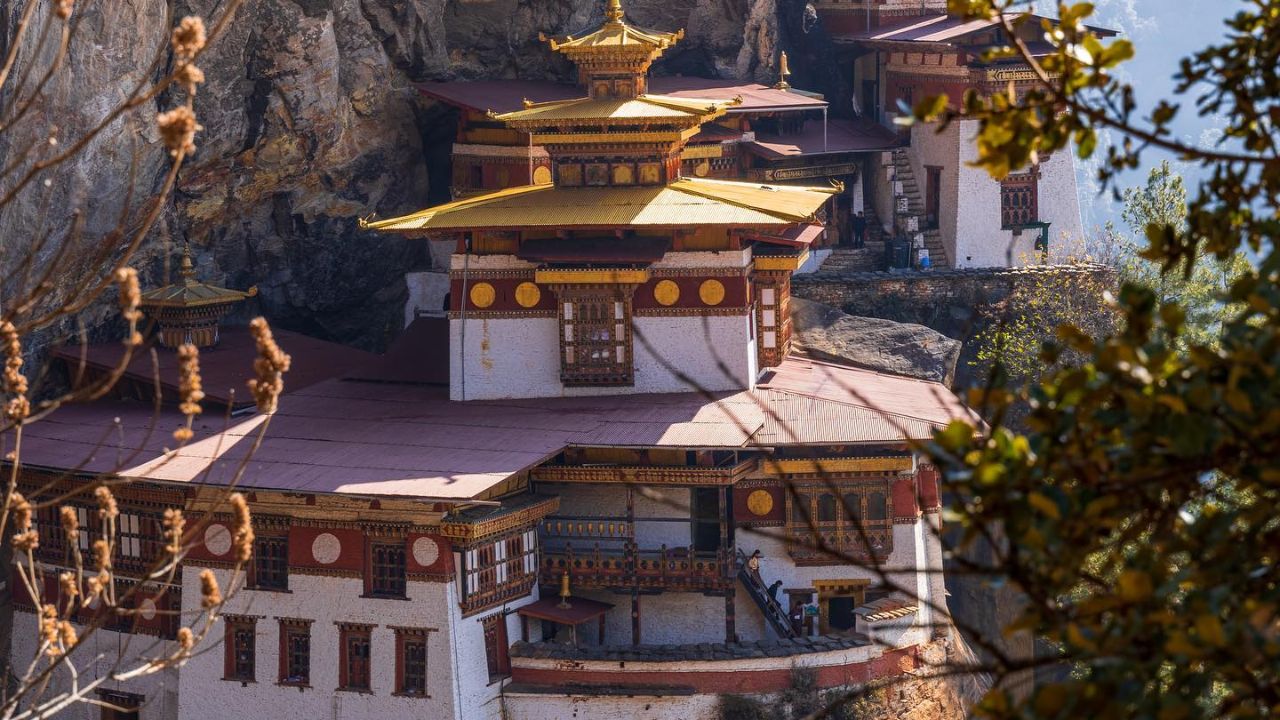
Tiger’s Nest is one of the most visited Bhutan monasteries, It’s perched high on a cliff overlooking the Paro Valley. You do not see it right away. You hike toward it. The trail is about 6.4 kilometers round trip. Most people take four to six hours round trip with breaks.
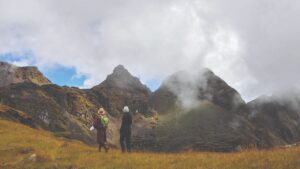
The walk matters as much as the view. Pine trees. Prayer flags. Long pauses where people catch their breath and stare into the valley.
This place is still active. Monks meditate here. Locals come with purpose, not cameras.
Things travelers often wonder
- Is the hike hard?
It feels moderate. Anyone who walks regularly can manage it. - Will altitude affect me?
Most people are fine if they rest well in Paro first.
Traveler Tip:
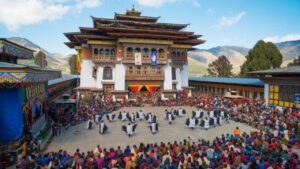
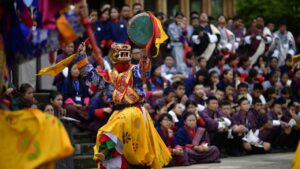
Start early in the morning. The trail gets busy later in the day, and early light paints the valley beautifully. If you visit between 29th March and 2nd April 2026, pair your hike with the Paro Tshechu festival, when the monastery comes alive with masked dances, music, and local gatherings that add deeper meaning to the journey.
Punakha Dzong: Where Bhutan Feels Calm
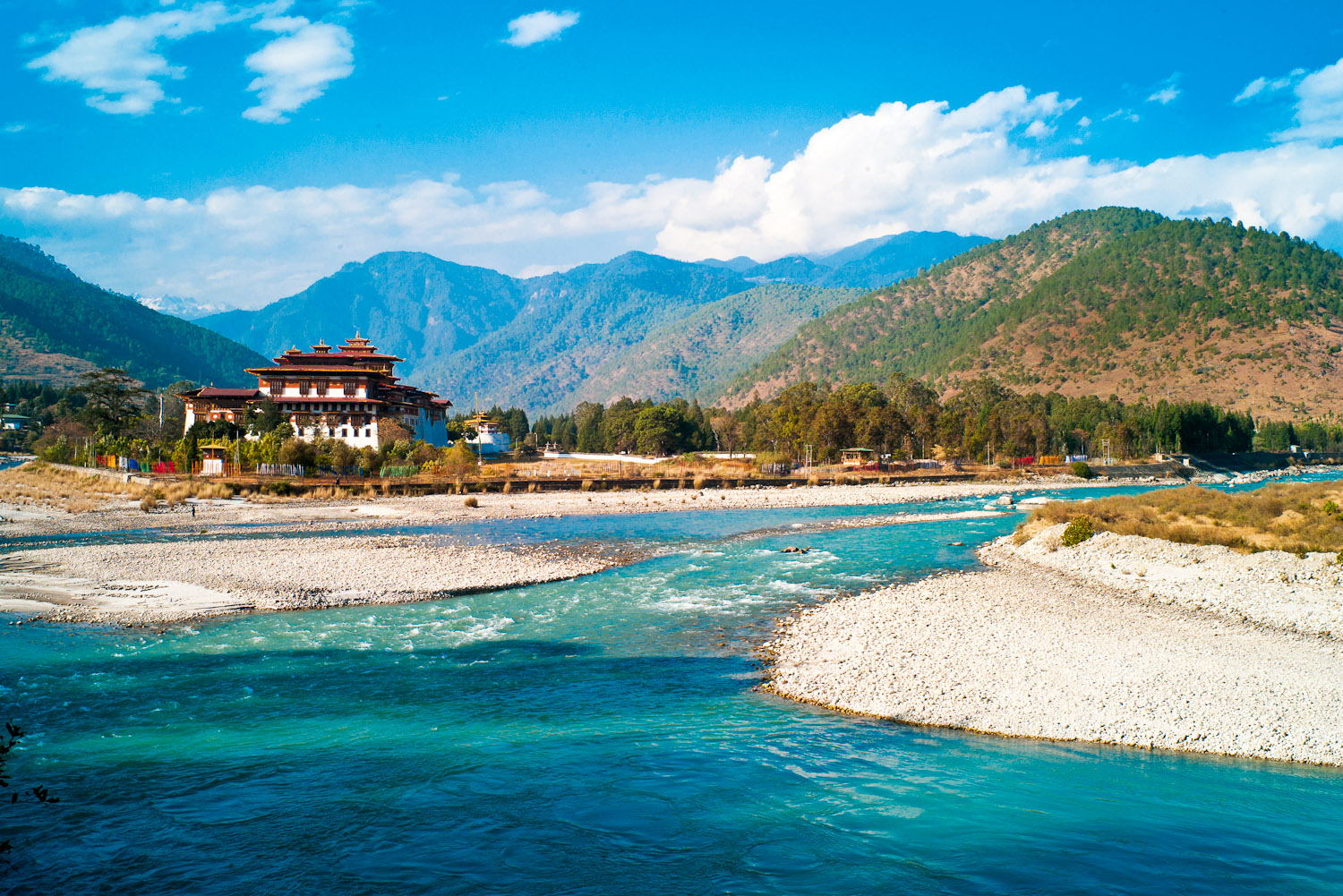
Punakha Dzong feels open and settled. It sits where two rivers meet, wide and quiet.
There is no steep climb here. You walk through courtyards, prayer halls, and shaded paths. The buildings feel balanced, not overwhelming.
Many people say this is where Bhutan finally clicks for them. Not dramatic. Just peaceful.
Why people enjoy this stop
- Easy walking, no physical strain
- Strong history without feeling heavy
- Beautiful setting near villages and bridges
If you want culture without exhaustion, this is a good choice.
Kyichu Lhakhang: Small Place, Deep Meaning
Kyichu Lhakhang is one of the oldest temples in Bhutan. It sits quietly in Paro Valley and does not try to impress anyone.
Locals come here daily. Some sit. Some walk slowly. No one rushes.
Travelers often say this is where they finally feel comfortable being silent.
This works well if you want
- A calm visit without crowds
- Easy access, no hiking
- A sense of everyday spiritual life
You don’t need long here. But you will remember it.
Gangtey Monastery: Space to Breathe
Gangtey Monastery overlooks the Phobjikha Valley. This valley feels wide and open, especially after narrow mountain roads.
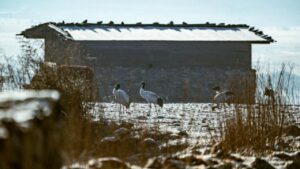
In winter, black-necked cranes arrive here. Locals celebrate them. Festivals follow their rhythm.
This monastery does not sit on a cliff. It watches over land and sky.
Why it feels different
- Big views that slow your thoughts
- Strong link between nature and belief
- A quieter, less tourist-heavy setting
If you feel rushed earlier in the trip, this place resets you.
Jambay Lhakhang: Bumthang’s Quiet Anchor
Bumthang is often called Bhutan’s spiritual center, and Jambay Lhakhang stands out as a revered Bhutan monastery that defines its sacred importance.
The temple is old. Very old. But it feels alive. You hear birds, bells, footsteps. Nothing is staged.
People come here to pray, not to perform.
Best for travelers who
- Enjoy history without crowds
- Want to see daily monk life
- Prefer gentle, thoughtful visits
You don’t rush Bumthang. And you shouldn’t rush this stop either.
Choedrak Monastery: A Place for Slowing Down
Choedrak Monastery sits higher in Bumthang and feels more personal.
You walk paths that connect prayer spots and meditation caves. The silence feels intentional. People speak softly here, if at all.
Many people time their visits here when doing cultural tours of central Bhutan, because it pairs beautifully with nearby valleys and sites.
Good to know
- The walk is gentle but steady
- Weather changes quickly at altitude
- Take your time. That’s the point
This place stays with people long after they leave.
Talo Monastery: Where Community Leads
Talo Monastery sits above Punakha Valley and feels rooted in local life.
During festivals, villagers arrive dressed in traditional clothes. Monks prepare rituals. Children run around. No one performs for tourists.
You are there to observe, not interrupt.
Why it stands out
- Strong community presence
- Traditional dances and rituals
- Festivals that feel natural, not staged
If you want to understand how faith fits into daily life, this helps.
How to Make Monastery Visits Truly Meaningful
Just visiting one monastery can be special. But seeing several during a stay often feels transformative.
Many travelers ask questions like:
Will altitude be a problem at Tiger’s Nest?
For most people the answer is no, but taking a day or two to adjust in Paro helps.
Do I really need a guide?
Guides help immensely, for cultural context, permit navigation, and safety on remote trails. That’s why pairing your trip with a cultural tour often makes the journey smoother and richer.
Something like Thunphel Bhutan Tours’ cultural tour or excursions specifically curate experiences around these sacred sites. They manage permits, local transport, guides, and timings so you focus on the experience, not logistics.
Simple Tips That Actually Help
Before you go, keep these in mind.
- Dress modestly. Covered shoulders and legs matter.
- Start early when possible. Quiet changes everything.
- Drink water, especially on hikes.
- Ask questions. Guides and locals like explaining.
Small choices shape the whole day.
When These Monasteries Feel Best
Timing changes the mood of these places.
- Spring: Clear air and warm days
- Autumn: Best views and calm weather
- Winter: Fewer people, colder mornings
- Monsoon: Green valleys, slippery trails
There is no perfect season. Only what suits you.
A Thought to Sit With
Many people plan Bhutan like any other trip. Then they arrive and realize that it does not work.
These monasteries do not reward speed.
They reward attention.
So ask yourself this before booking.
Do you want to collect places, or let one place change how you travel?
That answer shapes everything.
FAQs: Visiting Monasteries in Bhutan
Is Tiger’s Nest Monastery hard to hike?
The hike is moderate, not extreme. Most people finish it in four to six hours with breaks. Walking slowly, resting often, and starting early makes it manageable for beginners.
Will altitude affect me during monastery visits?
Usually no. Paro and most monastery areas sit at safe elevations. Spending a day or two adjusting before hikes helps your body settle naturally.
Do I need a guide to visit Bhutan monasteries?
A guide is not required, but it adds value. Guides explain rituals, stories, and local customs that signs do not. They also help with permits and timing.
What should I wear when visiting monasteries?
Wear modest clothes. Long pants, covered shoulders, and comfortable shoes work best. Simple clothing shows respect and avoids entry issues.
Are Bhutan monastery festivals meant for tourists?
No. Festivals are religious events for locals. Visitors are welcome, but observation and respect matter more than photography.
Is it worth visiting monasteries outside Paro and Thimphu?
Yes, if you want depth. Places like Punakha and Bumthang feel quieter and more personal. They often need extra permits and better planning.