
If you want to experience the most beautiful places in Bhutan in 2026, especially on a thoughtfully organized tour like the ones offered by Thunphel Bhutan Tours (which blend culture, nature, and adventure), you should start with the classic valleys, hidden monasteries, and the land’s sacred high points.
Why These Places Shape the Bhutan Experience
Before you read the list below, let me answer a key question you’re probably asking quickly: Is Bhutan worth the trip?
Yes. The beauty here isn’t just scenery; it’s atmosphere. Snow-tipped peaks, ancient Dzongs, Rhododendron forests, sacred monasteries, and valleys that feel like they’ve paused time, that’s what you get in Bhutan.
Many of these highlights are commonly included in curated itineraries offered by Thunphel Bhutan Travels, meaning you’ll see them in a guided, well-paced, authentic way.
Now let’s walk through them.
1. Paro Valley & Tiger’s Nest (Taktsang Monastery)
Paro Valley should be the first destination on your list, as it possesses a unique charm that few other places can match.
The highlight here is Tiger’s Nest Monastery, a temple clinging to the cliffside so dramatically it feels unreal when you first glimpse it. You hike up through pine forests, cross small streams, and then slowly the monastery appears, silent and sublime, sitting against the blue Bhutan sky.
It’s not an easy walk for everyone, but it’s not a mountaineering climb either. The path is steady and social; you’ll pass other travelers, monks in maroon robes, and trekkers pausing to breathe. If you worry about altitude or fitness, take your time. It’s worth every step.
What makes Paro unforgettable:
- Ancient Buddhist heritage
- Photo views are almost everywhere you turn.
- A sense of spiritual quiet that stays with you
If you love mountains and sacred places, this is your “heart opener” in Bhutan.
2. Punakha – The Riverside Jewel Among Beautiful Places in Bhutan
Leaving Paro’s cool heights behind, Punakha greets you with a gentler, more relaxed atmosphere.
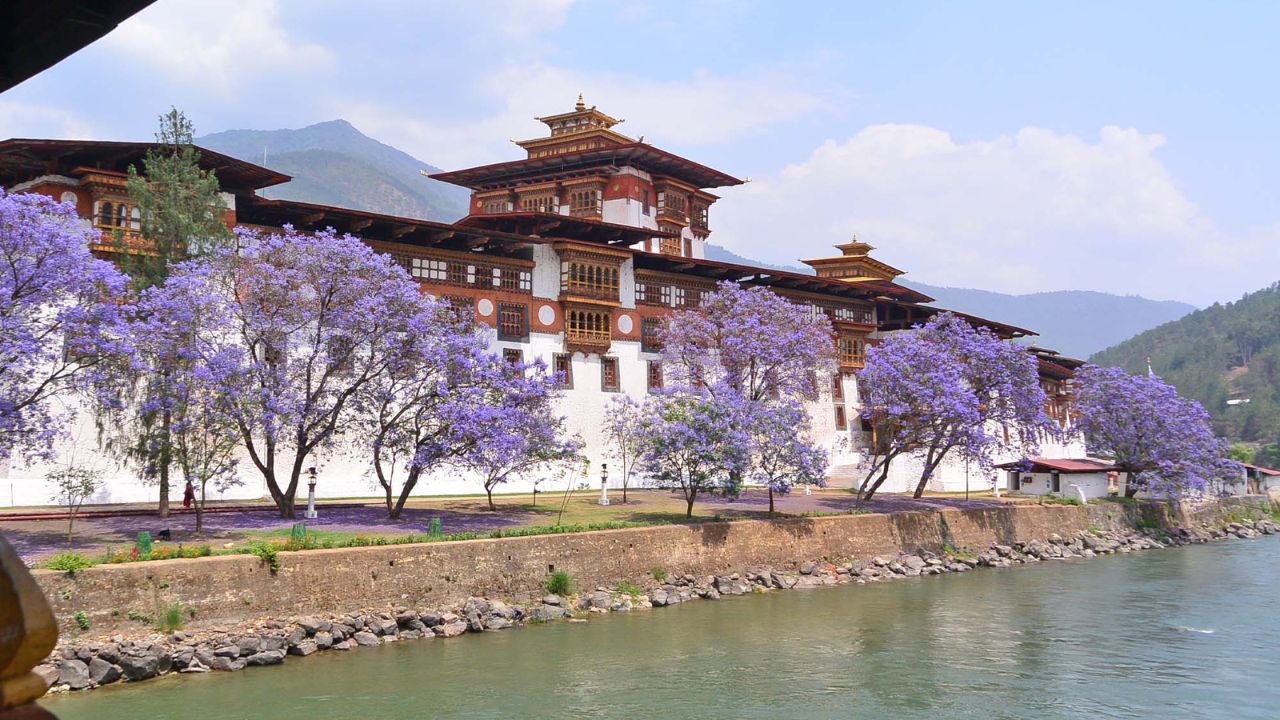
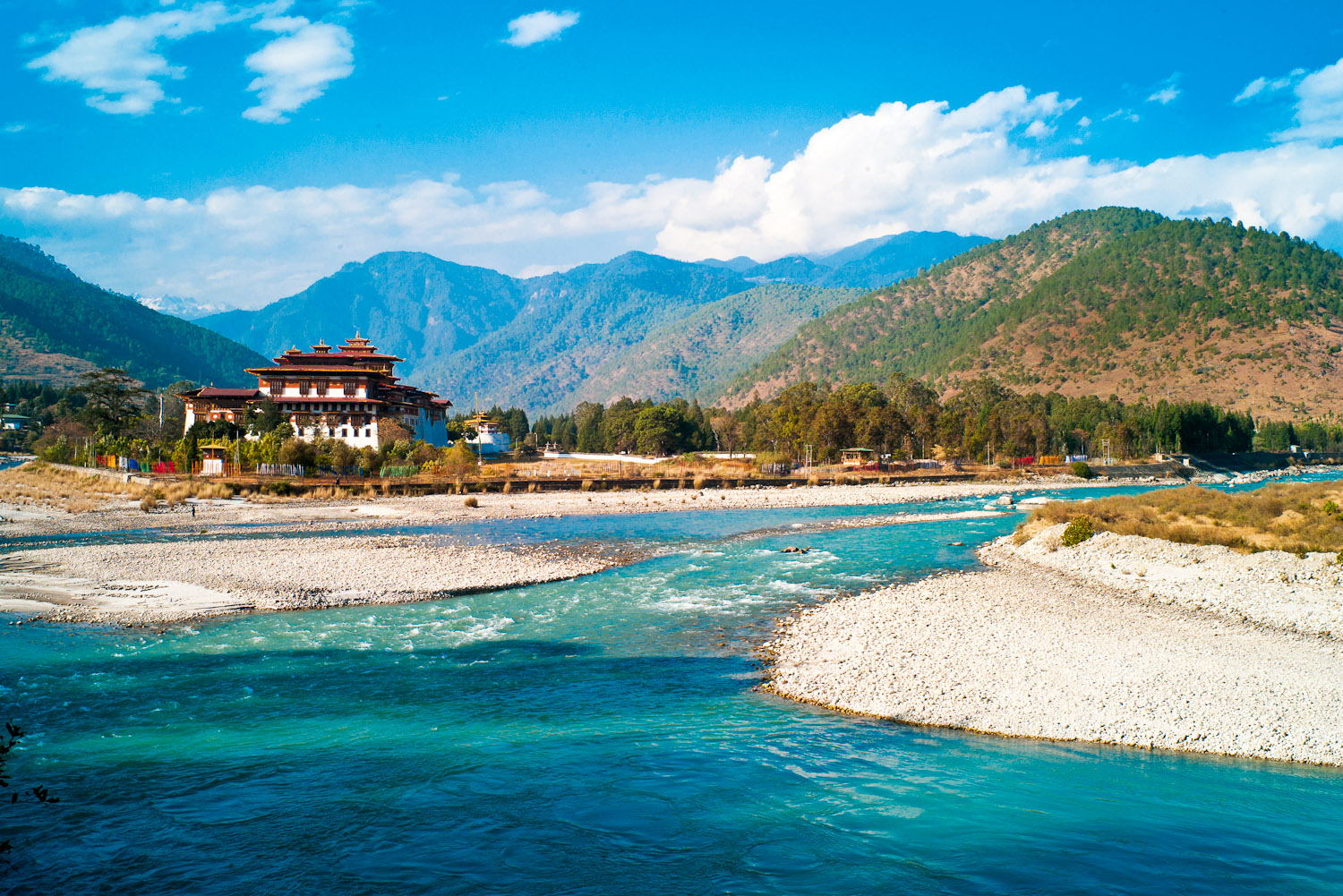
The Punakha Dzong, with its white walls and red roofs, sits where two rivers meet and the jacaranda trees burst into purple blooms in spring.
This valley sits lower in altitude, so walking feels easier and the air feels warmer. Locals tell me they think of Punakha as a place of peace and harmony, and you’ll often find people lingering at riverbanks, chatting or sipping tea under the shade.
Here’s why Punakha is a must-see:
- One of Bhutan’s most beautiful fortresses
- Great place to recover and absorb culture
- Warm climate that invites slow walks
This place balances stunning architecture with a lived-in, peaceful feel. You won’t just see it; you’ll feel it.
3. Phobjikha Valley – A Dreamy Bowled Valley
If serenity had a shape, it would look like Phobjikha Valley wide, open, and cradled by mountains.
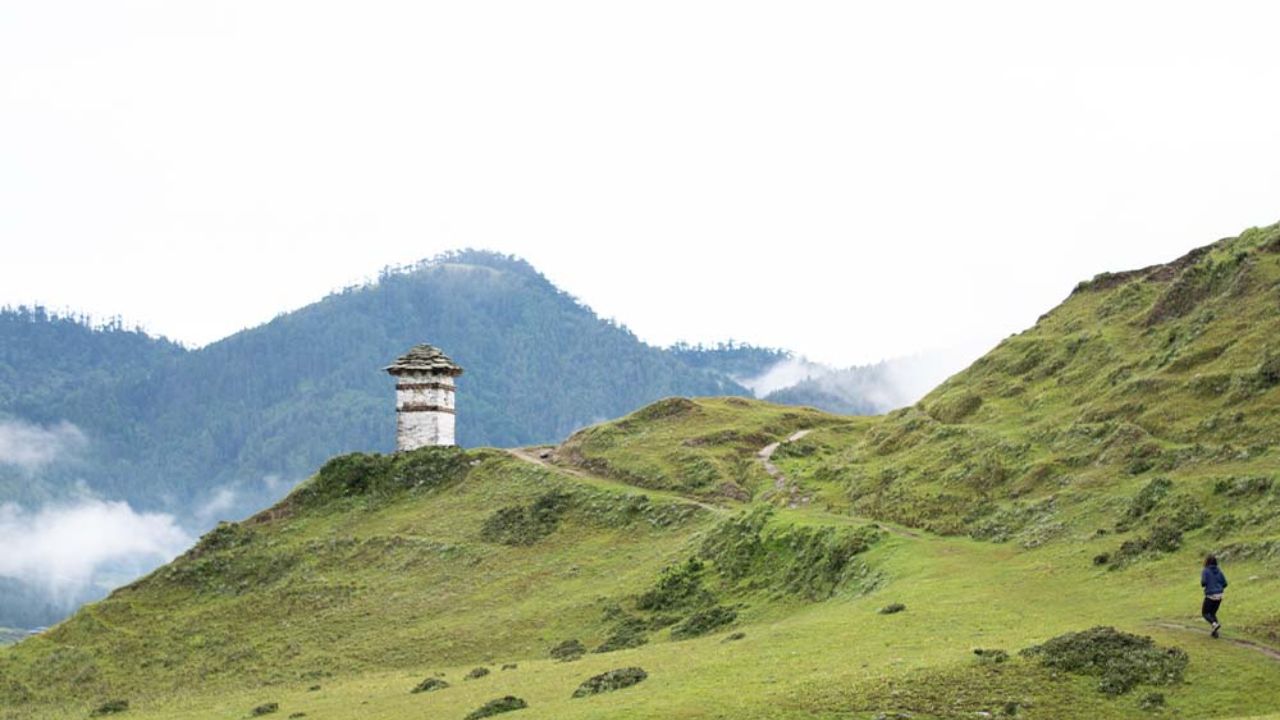
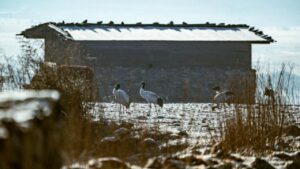
This bowl of a valley is famous for being the winter home of the black-necked cranes that migrate from Tibet. Watching them glide across misty fields is one of the most memorable nature scenes you’ll encounter in Bhutan.
Phobjikha isn’t rushed or noisy. It’s the kind of place where the first thing you notice in the morning is silence, not birds or music or engines. That quietness is a kind of beauty in itself.
What you’ll love about Phobjikha:
- Wild landscapes that feel untouched
- Crane-watching in season
- Soft hikes through grassy meadows
If you need space to think or simply time to breathe, this valley delivers.
4. Bumthang Valley – Spiritual Heartland and Hidden Depths
Bumthang Valley is often called the spiritual heart of Bhutan, and as soon as you arrive, you see why.
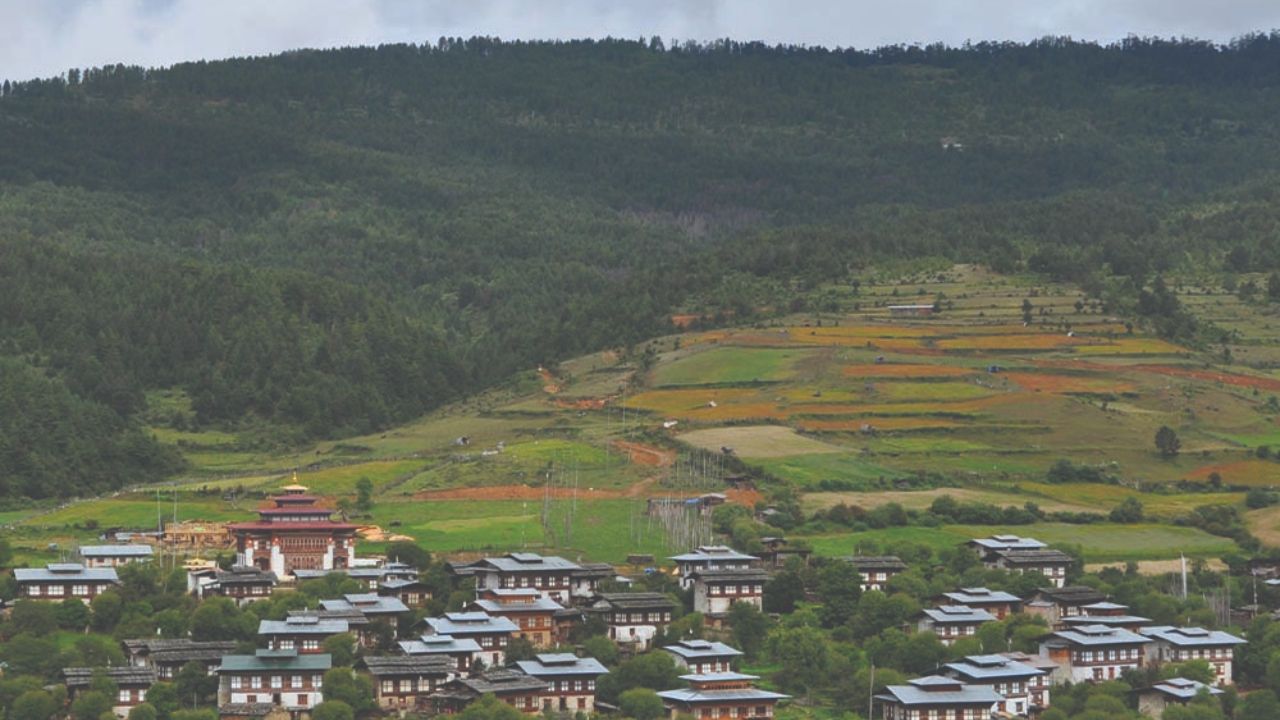
This valley isn’t just scenic; it’s layered with tradition, ancient temples, and stories that seem older than the mountains.
In places like the Choedrak and Ura Monasteries, you feel history’s presence in every stone and prayer flag.
Bumthang has more than views; it has meaning.
Here’s what stays with you:
- Centuries-old temples perched in quiet glens
- Rolling hills that feel like living history
- Villages where craftsmen and monks share tea stories
It’s slower, deeper, and utterly enchanting.
5. Thimphu – Where Timeless Tradition Blends with Modern Life
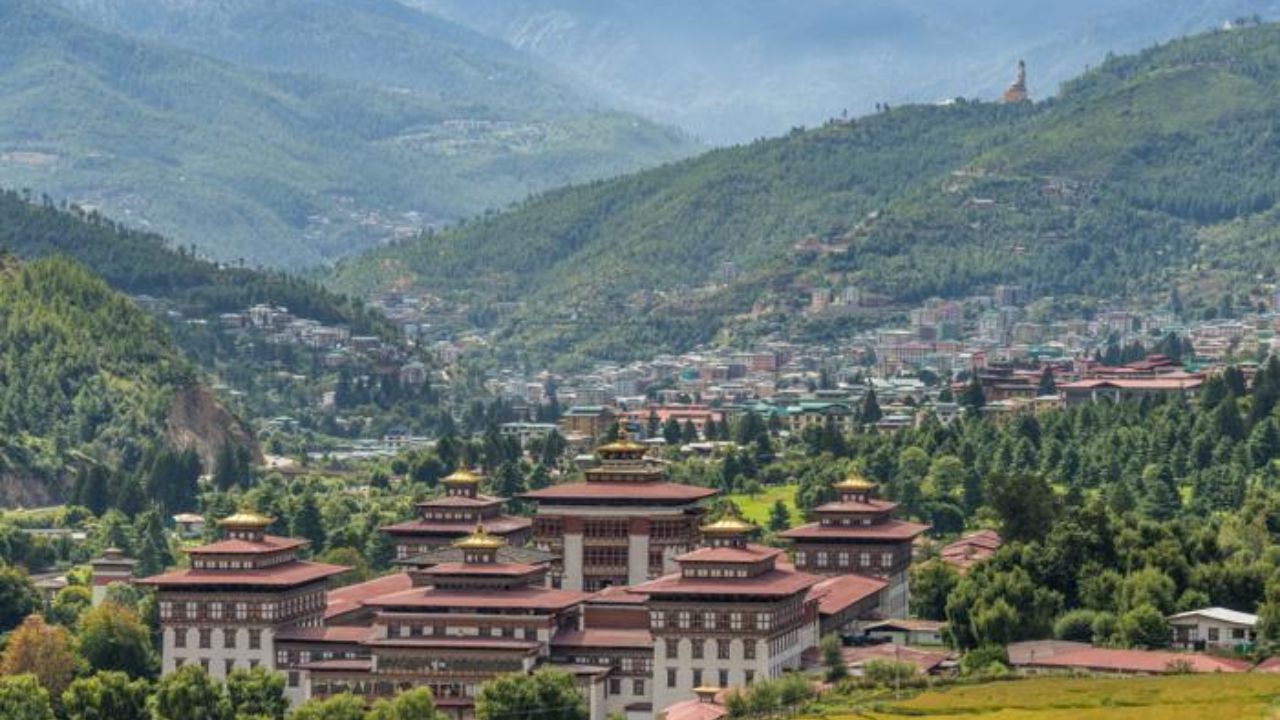
Thimphu gives you contrast and context. It’s the capital, but not a city in the usual sense. There are no traffic lights, monks walk beside cafes, and sacred temples are mixed with weekend markets.
In Thimphu, you see Bhutan evolving but still anchored in its heart. You can visit huge Buddha statues, then browse handicrafts, and then stroll to a quiet monastery above the city.
Beautiful places in Bhutan often feel remote. Here, you feel connected to culture, to people, and to the bigger landscape around you.
Why Thimphu belongs on your tour:
- Rich cultural museums and art centers
- Easy city walks with mountain views
- A great base for exploring nearby valleys
Thimphu helps you understand why Bhutan is so admired.
6. Haa Valley – Quiet Beauty Off the Beaten Path
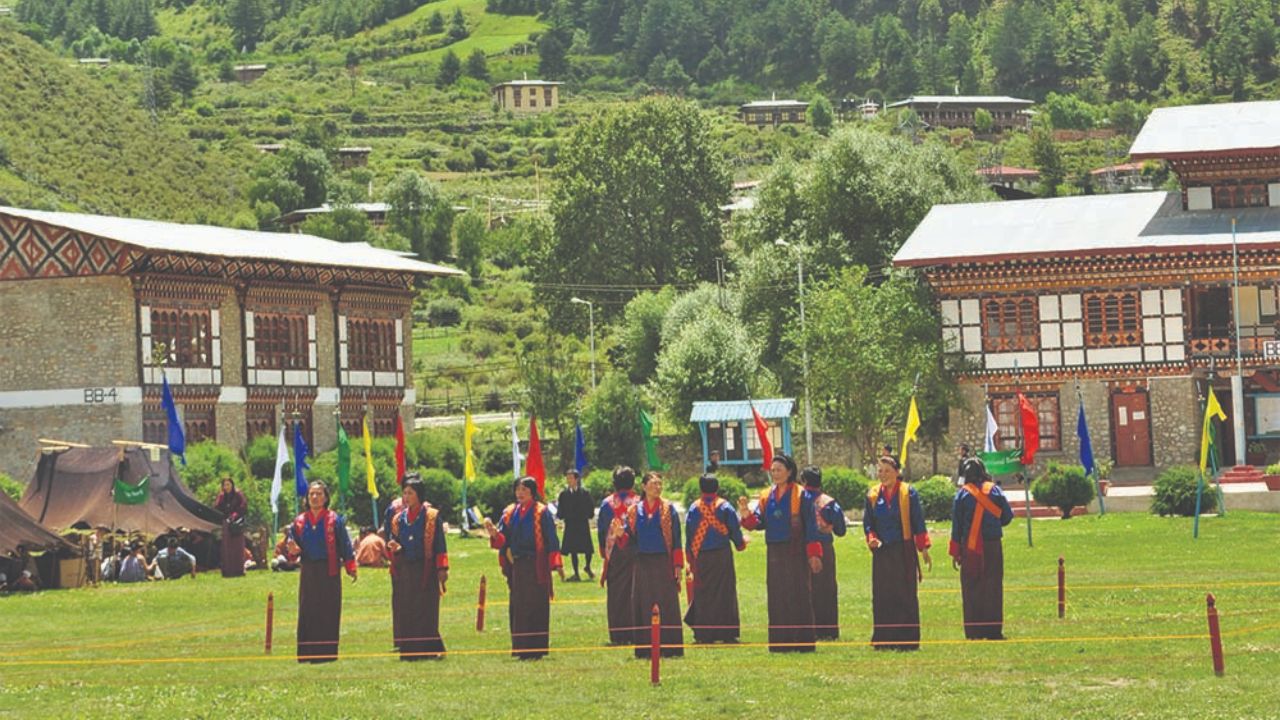
Few places say “hidden gem” like Haa Valley. It’s less visited, quieter, and in many ways more authentic than the usual stops. The fields curve gently, farmhouses dot the hills, and you feel as if you’ve stepped into an old story.
Locals here live at a slower pace, and that shows in the way people greet you and the way the landscape feels like it’s breathing.
You’ll want to go here if:
- You love unspoiled nature
- You want landscapes that feel personal
- You enjoy wandering paths away from crowds
Haa has a hush that stays with you long after you leave.
7. Dochula Pass – Panorama Without Effort

Not all beautiful places require hard hiking. Dochula Pass proves that.
Here, a line of 108 chortens (stupas) sits against towering Himalayan peaks, and on a clear day the photo opportunity is breathtaking.
You don’t have to climb a mountain to feel awe here. You just stand. On good days, the views feel endless. On misty days, the peaks tease you with hints of snow.
Dochula works because:
- It’s easy to reach by road
- Views feel cinematic without effort
- It connects you to the mountain spirit of Bhutan
Almost every guided tour includes Dochula because beauty like this needs no explanation.
Why These Places Define Bhutan in 2026
Together, these destinations represent Bhutan’s core identity:
- Sacred landscapes shaped by faith
- Unspoiled valleys and pristine ecosystems
- Architectural mastery rooted in tradition
- A lifestyle that values balance over speed
Each location contributes a distinct chapter to the Bhutanese story, creating journeys that feel immersive rather than rushed.
Travel Considerations for 2026
When planning a visit to Bhutan, travelers benefit from understanding a few key elements:
- Travel is regulated to preserve culture and environment
- Guided tours ensure deep cultural insight and seamless logistics
- Seasonal variations influence weather and visibility
- Slow travel enhances appreciation for each destination.
These considerations ensure that experiences remain meaningful and respectful.
Yearly Weather Overview in Bhutan (Month-by-Month Guide)
This table helps travelers understand what Bhutan feels like across the year, so they can choose the right season based on weather, scenery, and comfort. Bhutan’s climate changes mainly with altitude and seasons, not extremes, but timing still shapes the experience significantly.
| Season | Months | Average Temperature | Weather Conditions | Landscape & Experience | Best For |
| Winter | Dec–Feb | 0°C to 12°C (colder in more elevated areas) | Cold mornings, clear skies, dry air | Snow-capped peaks, crisp visibility, quiet valleys | Mountain views, fewer crowds, photography |
| Early Spring | Mar | 8°C to 18°C | Mild days, cool nights | Valleys begin to green, clear air | Comfortable sightseeing, cultural tours |
| Spring | Apr–May | 10°C to 22°C | Pleasant, stable weather | Rhododendrons bloom, rivers run full | Nature lovers, photography, trekking |
| Early Summer | Jun | 15°C to 25°C | Warm with increasing clouds | Lush landscapes, greener valleys | Scenic travel, fewer tourists |
| Monsoon | Jul–Aug | 18°C to 27°C | Frequent rain, misty hills | Deep green scenery, dramatic clouds | Slow travel, quiet exploration |
| Early Autumn | Sep | 15°C to 24°C | Rain tapers off, clearer skies | Fresh landscapes, improving visibility | Balanced travel conditions |
| Autumn | Oct–Nov | 8°C to 20°C | Dry, cool, very clear | Golden fields, festival season | Best overall season, festivals, trekking |
How to Use This Table When Planning Your Trip
This overview helps you decide when Bhutan fits your expectations best. If you want sharp mountain views and fewer visitors, winter offers clarity and calm. Spring and autumn provide the most balanced experience with pleasant temperatures, festivals, and excellent visibility. Summer brings rain, but also Bhutan’s greenest and quietest. Instead of asking which month is best, this table helps you choose which season matches your travel style, comfort level, and priorities.
How These Places Come Together in a Thoughtful Bhutan Journey
One of the advantages of traveling with a locally rooted operator like Thunphel Bhutan Travels is the ability to shape your journey around your own rhythm. Custom travel planning allows you to move beyond fixed routes, giving you the space to walk through quiet valleys, linger in ancient monasteries, or spend time understanding local traditions without feeling rushed.
Well-planned journeys bring these destinations together in a way that feels balanced rather than packed. Routes are designed with realistic travel times, gentle acclimatization, and a natural flow between culture, nature, and rest. Scenic drives, locally prepared meals, and genuine interactions with Bhutanese communities become part of the experience, not something squeezed in between stops.
A balanced itinerary often unfolds like this:
- Days 1–3: Paro Valley, time to adjust, and the hike to Tiger’s Nest
- Day 4: Punakha’s rivers, Dzong, and surrounding fields
- Day 5: Phobjikha Valley’s open meadows and seasonal crane habitats
- Day 6: Bumthang’s temples and spiritual landmarks
- Day 7: Thimphu’s cultural life followed by views from Dochula Pass
- Optional: Quiet, unstructured time in the Haa Valley
Each location adds a different layer to the journey. From mountain sanctuaries to wide valleys and everyday moments shared with locals, the route reflects Bhutan’s spirit in a way that feels personal, flexible, and deeply grounded.
Experiencing Bhutan with Purpose
Exploring the most beautiful places in Bhutan is not about ticking destinations off a list. It is about engaging with landscapes that carry meaning, communities that value harmony, and traditions that remain alive.
As Bhutan continues to protect its heritage while welcoming mindful travelers, 2026 presents an ideal moment to experience this kingdom at its finest. Those who approach the journey with curiosity and respect will discover beauty that extends far beyond the visual.
The question then becomes not whether Bhutan is worth visiting, but whether we are ready to experience beauty at a deeper pace.
FAQs: What Everyone Wonders Before They Go
Is Bhutan okay for beginners?
Yes. Most places here involve easy walks and manageable hikes. You don’t need to be a climber to enjoy the beauty. Paro’s Tiger’s Nest is the most strenuous, but people of many ages do it each year.
Will altitude be a problem?
Bhutan’s valleys are high, but they rise gently. If you take it slow and hydrate, most travelers adjust well.
Do I need a guide?
To visit Bhutan, travelers are required to book through a licensed tour operator such as Thunphel Bhutan Travels, which works in your favor. Local guides bring deep knowledge of the land, history, and hidden viewpoints that most visitors would never find on their own.
Is this worth the money?
Bhutan uses a sustainable tourist model, which means fewer crowds and more meaningful experiences. You’re paying for access to culture and nature that stays unspoiled.