Keen to visit Tiger’s Nest Monastery Bhutan and worried you will mess up the timing, the pace, or the rules? Here are the six things that make the hike feel smooth, safe, and worth every step.
You are not alone if you keep asking yourself: “Is this trek okay for beginners?” “Will altitude hit me?” “Do I really need a guide?” And the big one: “Is this worth the money?” Let’s walk through the real decisions you will face, in the same order most people feel them on the trail.
1) Tiger’s Nest Monastery Bhutan Is Not “Hard”, But It Is Steep (Plan 4 to 6 Hours)
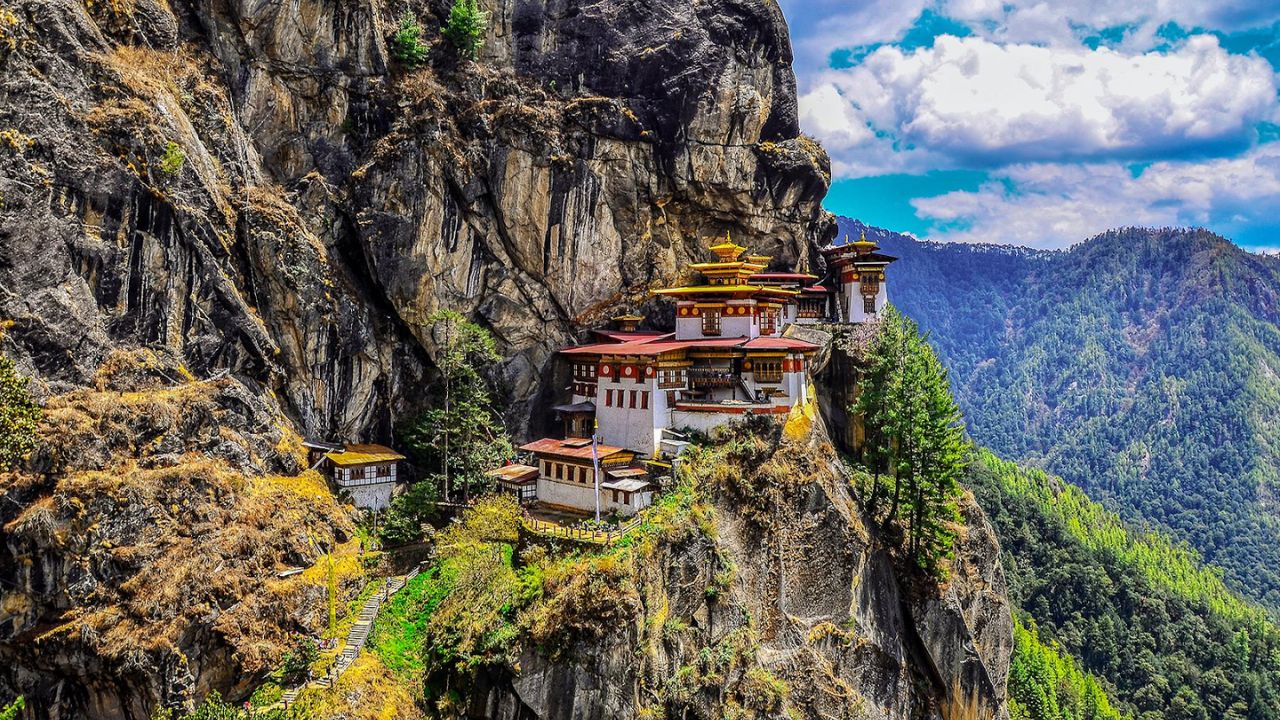
Most people picture a short walk. Then they reach the first climb and go quiet. The hike is not technical. You do not need ropes or hiking skills. But it is steep, and it keeps rising in waves. Pair your visit with Thunphel Bhutan Travels to get the customized itinerary, easy exploration and other benefits.
A common pattern goes like this: you start fast, feel great for 20 minutes, then your legs start bargaining. So pace yourself early. If you go slow at the start, you will feel strong near the top.
Helpful reality checks you can plan around:
- Expect around 2 to 3 hours to go up, depending on fitness and stops.
- Many visitors take about 5 to 6 hours round trip when you include breaks and time at the monastery.
- The monastery sits at about 3,120 meters above sea level.
If you want one simple rule: plan the hike like a half-day event, not a quick errand. Give it space in your schedule. You will enjoy it more.
2) The Altitude Can Surprise You, Even If You Are Fit
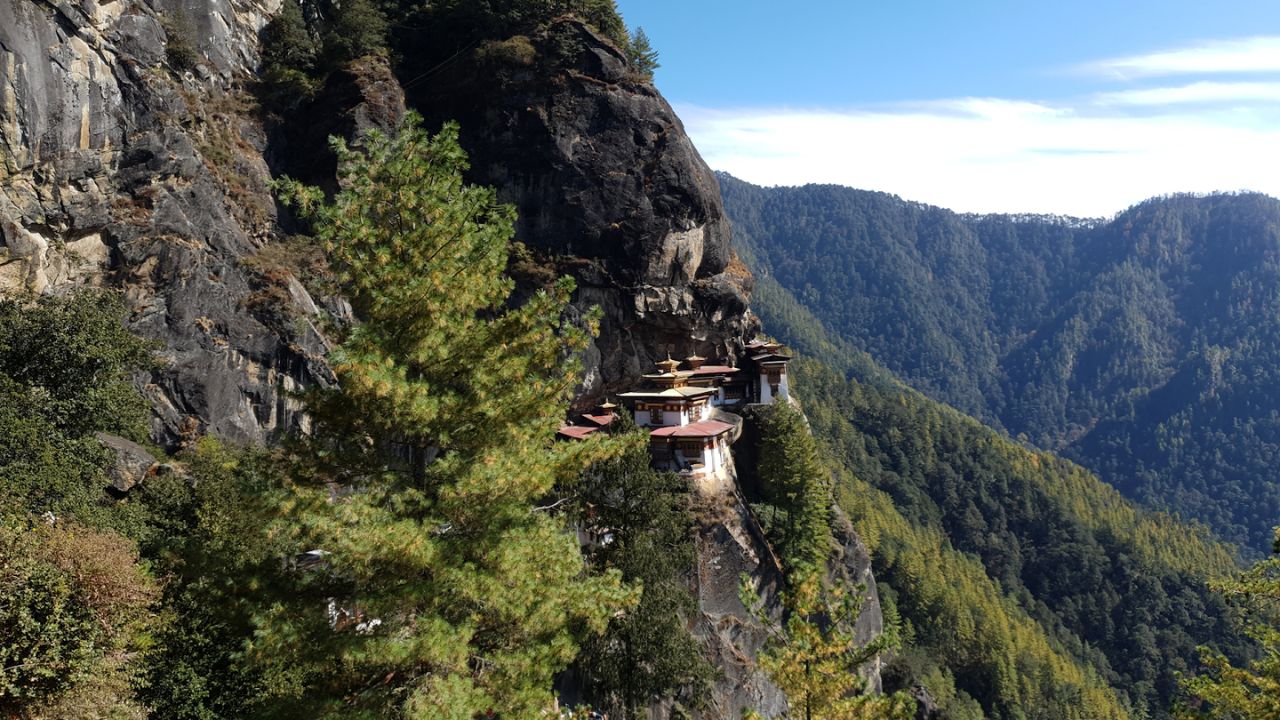
Source: Department of Tourism
The altitude at Tiger’s Nest is not “extreme,” but it is high enough to change your breathing. You may feel it most on the last climb. Your legs feel fine. Your lungs feel like they are working overtime. That’s normal.
A small tip that sounds silly but works: try the “talk test.” If you cannot say a full sentence, you are moving too fast. Slow down. Take smaller steps. Your heart rate will settle.
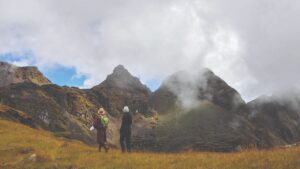
Also, the weather can flip fast in Paro valley. The sun turns to mist. Mist turns to light rain. The trail gets slick. So you want layers you can change quickly.
What helps most on the day:
- Drink water often, even if you do not feel thirsty
- Take short rests, not long ones
- Eat a small snack every 60 to 90 minutes
- Keep a light jacket ready in your daypack
And yes, you will see people on horses. That option exists. The official Tiger’s Nest site notes that you can go on horseback or on foot, and that horses are generally used for the uphill part only.
If you are thinking, “Should I take a horse?” Ask yourself this: do you want the climb, or do you want the view with less strain? There is no shame in choosing comfort. The goal is to reach the monastery feeling calm, not wrecked.
3) Start Early, Because “Crowds” Change the Whole Feel
Tiger’s Nest is one of Bhutan’s top icons. So you will not be alone. But the vibe changes a lot depending on when you start.
Start early and it feels like a quiet forest walk with prayer flags in the wind. Start late and it can feel like a slow-moving line on steep steps.
Here’s what I suggest if you want the calm version. Eat breakfast, then go. Do not overthink it. The trail will still be there at noon, but your patience may not be.
A simple timing plan that usually works:
- Begin the climb in the morning
- Build in one longer break at the halfway cafeteria viewpoint (many people stop there)
- Keep your descent unhurried, because knees get tired on the way down
One more thing that catches people off guard: Bhutan takes respect in sacred spaces seriously. The Bhutan tourism site asks visitors to maintain silence in sacred places, dress modestly, remove hats, and avoid photos inside temples.
That matters at Tiger’s Nest. You will feel the difference the moment you step inside.
4) Dress Like You Are Hiking, Not Sightseeing (Bring 3 Small “Save The Day” Items)
This is where “reliable products” quietly save you. Not fancy gear. Just smart basics.
You do not need a huge backpack. You do not need trekking boots that cost a month’s salary. But you do need grip, water, and one layer that blocks wind or rain.
The three items I see people grateful for:
- A lightweight rain jacket or wind shell (weather changes fast)
- A refillable water bottle (you will drink more than you think)
- Trekking poles (your knees will thank you on the descent)
Other small helpers that often matter:
- A cap for sun, but remove it inside sacred places
- A few easy snacks (nuts, fruit, energy bar)
- A simple blister patch, just in case
And please do not wear slippery fashion shoes. I have seen people attempt the climb in smooth sneakers with no grip. They spend the whole hike scared of falling. That is not the memory you want.
If you are unsure about what to wear, choose this: long pants, a breathable top, and a warm layer you can pack away. It is simple and it works.
5) Rules, Fees, And Permits: Know What’s Fixed And What Changes
Bhutan planning feels different from many countries. There are clear rules. And some things depend on your nationality.
A few “fixed” points you can rely on:
- Bhutan’s official tourism site notes that a self-drive car hire is not possible, and the most convenient way to travel is to hire a vehicle and driver through a tourism service provider.
- The Paro Taktsang official site notes you generally need a visa unless you are from India, Bangladesh, or the Maldives.
Now, about entry fees. These can change, and different sources talk about different years. One widely cited update from Bhutan media states that visitors entering Taktsang (Tiger’s Nest) were subject to an entrance fee of Nu 2,000, introduced as part of revised monument fees in 2022.
So what should you do with that info?
- Treat fees as “likely,” not “guaranteed”
- Carry cash in Bhutanese Ngultrum, just in case
- Confirm current fees with your tour operator close to travel
And the guide question: “Do I really need a guide?”
For many travelers, a guide is already part of the Bhutan trip structure. Even where independent travel is possible in limited areas, the safest path is still to plan with a licensed operator, especially if you want smooth permits, transport, and timing.
Also, a good guide changes the experience, that’s why Thunphel Bhutan Travels takes care of all the logistics and paperwork. Pointing out small things you would miss, like local stories, trail etiquette, and what each prayer flag color means. That’s the human layer you remember.
6) Make It More Than One Hike: Pair Tiger’s Nest With Paro Tshechu (Thunphel Bhutan Travels)
This is the part most first-timers do not realize until they arrive: Tiger’s Nest is powerful, but Bhutan’s festivals make the whole trip feel alive.
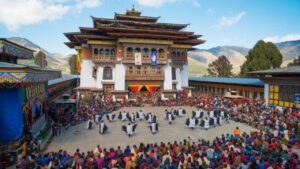
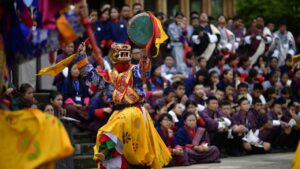
If you want one “must-do” experience that fits perfectly around the hike, make it Paro Tshechu. It is one of Bhutan’s most sacred and vibrant festivals, known for mask dances and the unfurling of a giant silk thangka on the final morning.
Here is the practical win: you can plan the hike with a cultural anchor, not just a photo goal.
Thunphel Bhutan Travel’s Paro Tshechu festival tour includes the Tiger’s Nest hike as part of the itinerary (their tour lists a day for the “Tiger’s Nest Hike”).
If you are thinking, “Is it worth the money?” This is often where the answer becomes yes. Because you are not paying only for a hike. You are paying for:
- A festival seat in the heart of Paro’s living culture
- A guide who keeps the day smooth and respectful
- Transport planning that saves you hours of guesswork
- An itinerary that balances effort and rest
And if you care about dates, several sources list Paro Tshechu 2026 as March 29 to April 2, 2026.
That time window matters. Festivals are not “anytime” events. They are set dates. Miss them by a week and you miss the whole thing.
Key Takeaways To Keep In Your Head On The Trail
You do not need to over-prepare. You just need to prepare the right way.
- Start slow, because the trail is steep and steady
- Respect the altitude and drink water often
- Begin early if you want a quiet hike
- Pack light, but bring a layer and good grip
- Treat fees and rules as real, then confirm the latest before you go
- Consider pairing the hike with Paro Tshechu through Thunphel’s tour so the trip feels complete
Tiger’s Nest is one of those places that looks unreal in photos, then feels even more unreal in person. When you picture yourself on that final set of steps, lungs working, flags fluttering, and the valley far below, what do you want to feel: rushed, or ready?