Paro town Bhutan works perfectly for a first visit because it lets you experience Bhutan slowly, clearly, and without pressure.
You arrive here before you understand Bhutan. And by the time you leave, things feel calmer, simpler, and more intentional. That is exactly why Paro becomes the emotional starting point for so many first-time travelers.
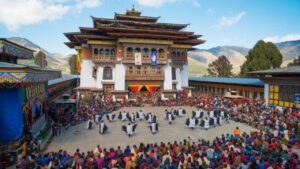
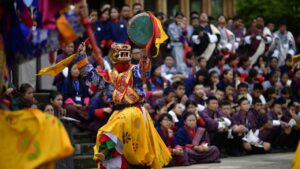
If you are planning a Bhutan trip, your journey will include experiences like the Happiness Bhutan Tour or a Bhutan Festival Tour, where Paro plays a central role.
This guide helps you understand why Paro matters, how it shapes your first impressions, and what you will experience at each stop. You gain clarity early, then move through the journey step by step, without doubt or confusion.
Why Paro Feels So Right for First-Time Travelers
Credit: Department of Tourism
Paro does not overwhelm you. It slows you down before you even realize it.
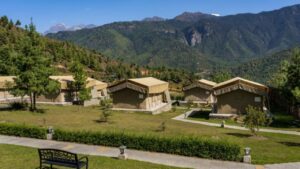
The valley feels open and balanced. Forests stretch across the hills. Villages sit quietly between fields. Even the airport landing feels gentle. This matters when you worry about altitude, fatigue, or culture shock.
You find Paro beginner-friendly because:
- The altitude stays manageable for most people
- Travel distances remain short
- Cultural experiences feel lived in, not staged
- Daily life feels open and welcoming
This balance explains why experienced operators like Thunphel Bhutan Travels build their slower, experience-first itineraries around Paro rather than rushing beyond it.
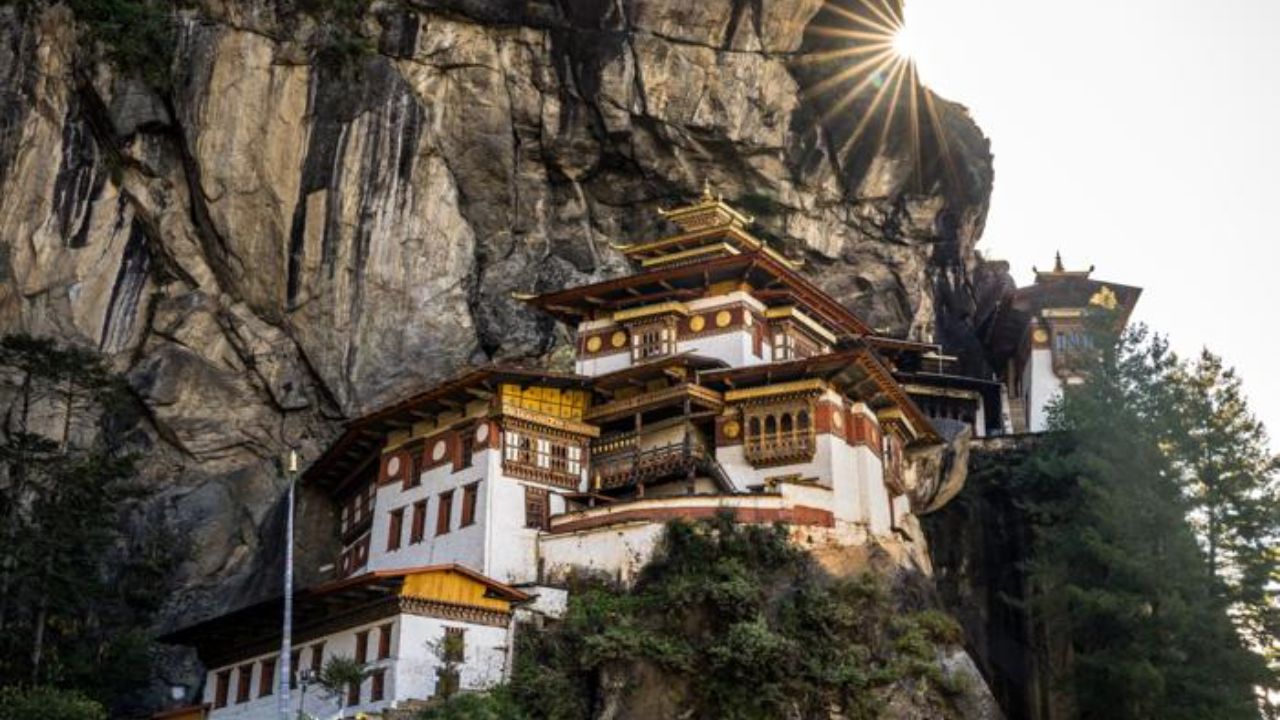
Stop 1: Tiger’s Nest Monastery at Your Own Pace
Credit: Department of Tourism
You probably wonder about this first.
Can you really do Tiger’s Nest on your first trip?
Yes, you can. And you should, as long as you respect the pace.
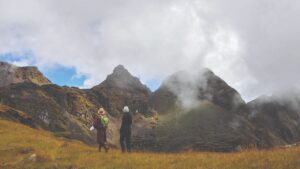
The trail rises gradually through pine forests. You hear birds before you hear people. Prayer flags appear when you need motivation most. You stop often, not only to breathe, but to look.
Halfway up, the monastery appears across the cliff. That moment stays with you. The effort suddenly feels meaningful.
This stop works because:
- You earn the view instead of consuming it
- You experience silence without trying
- You build confidence early in the trip
Well-planned journeys like the Happiness Bhutan Tour schedule recovery time after this hike. That choice changes everything. You feel fulfilled, not drained.
Stop 2: Paro Rinpung Dzong and the Heart of Town
After the hike, you return to town feeling softer.
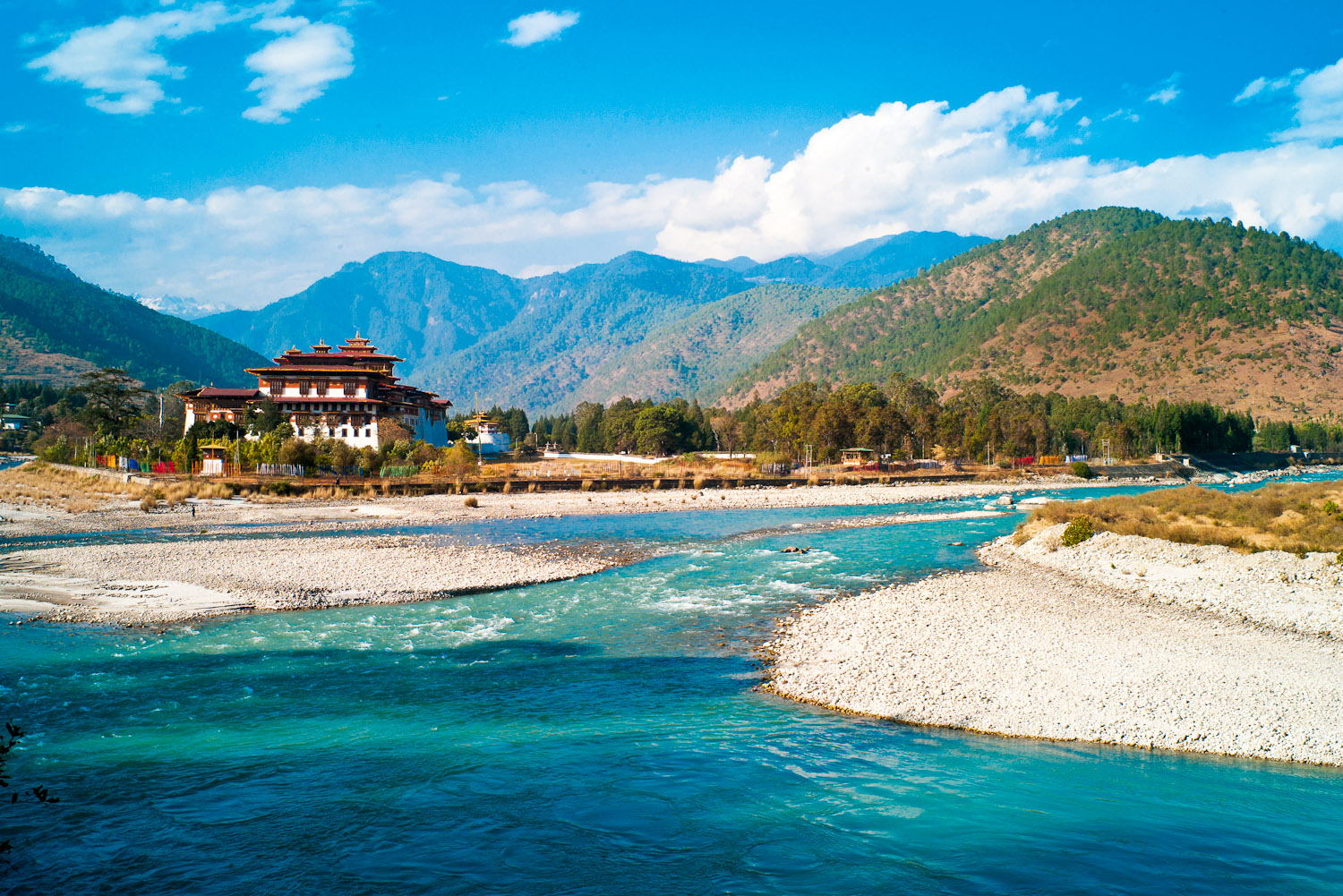
Paro Rinpung Dzong sits near the river, steady and unhurried. You cross the wooden bridge slowly. Shoes come off. Voices lower on their own.
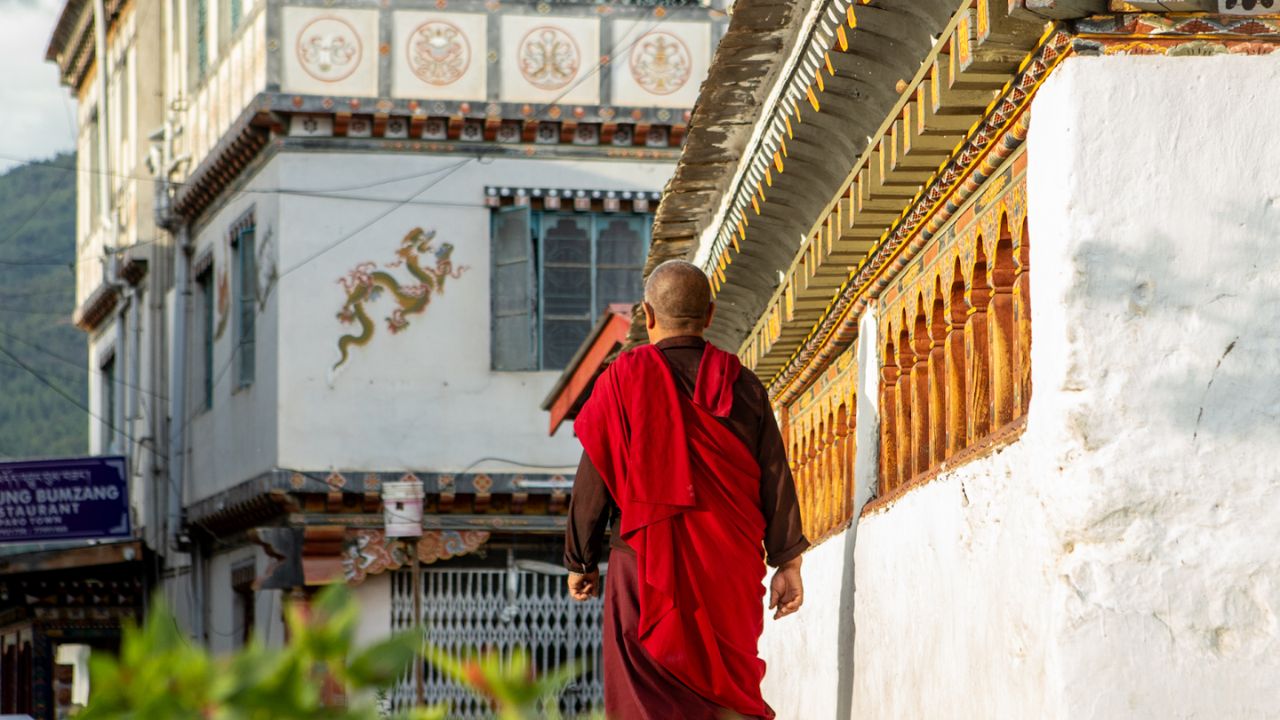
Inside the dzong, life continues quietly. Monks move between offices. Locals cross courtyards without ceremony. Nothing is performed for you.
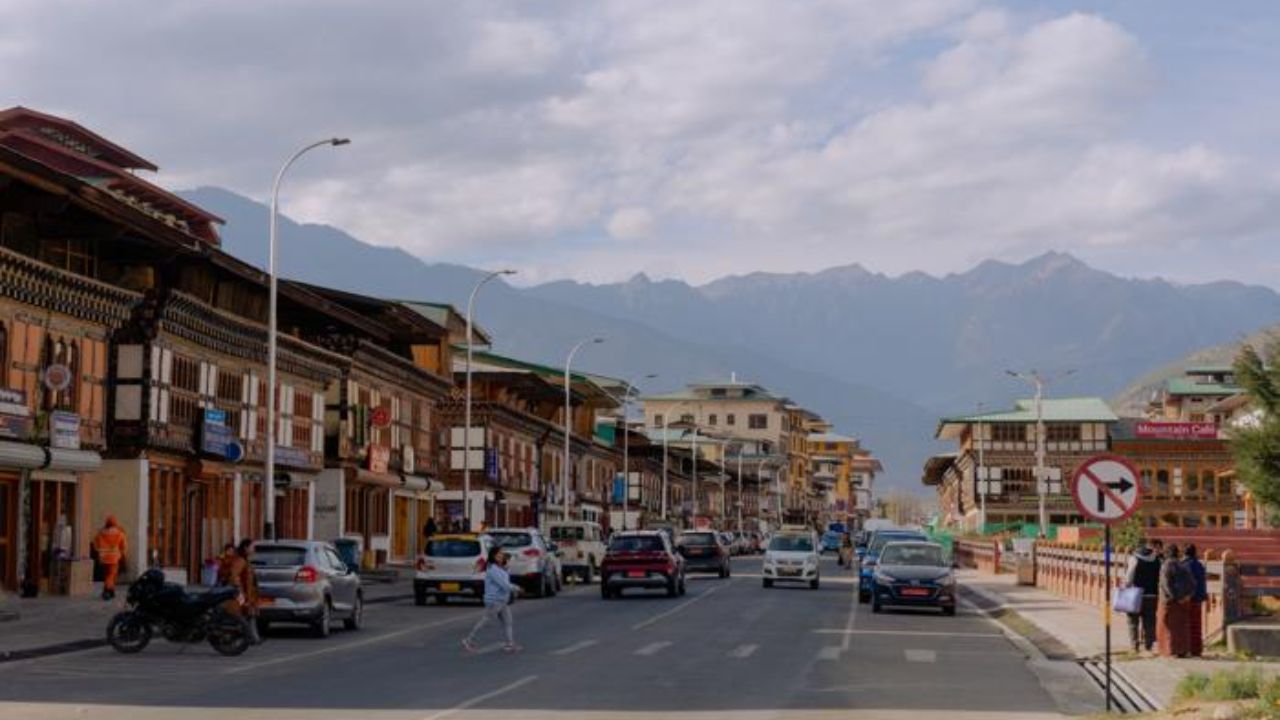
As you walk through town afterward, you notice details:
- Small cafes with wooden windows
- Shops selling items locals still use
- Streets that never feel rushed or loud
This is where guided cultural walks matter. A knowledgeable guide helps you understand why simplicity here carries meaning. That context often comes naturally in curated services offered by Thunphel Bhutan Travels, without making the walk feel instructional.
Stop 3: National Museum and the Stories Behind What You See
You may hesitate before visiting a museum. You might worry it slows the trip down.
This one does the opposite.
Inside the old watchtower, you begin connecting dots. Masks start making sense. Architecture stops feeling decorative. Even silence feels intentional.
You learn about:
- Religious symbols you see daily
- Wildlife that shapes local beliefs
- Textiles that signal regional identity
- Tools still used in everyday life
This stop prepares you for everything that follows. Festival dances feel richer. Meals feel more thoughtful. You stop asking why and start noticing how.
Festival-focused journeys like the Bhutan Festival Tour often include this visit early, so cultural events feel familiar instead of confusing.
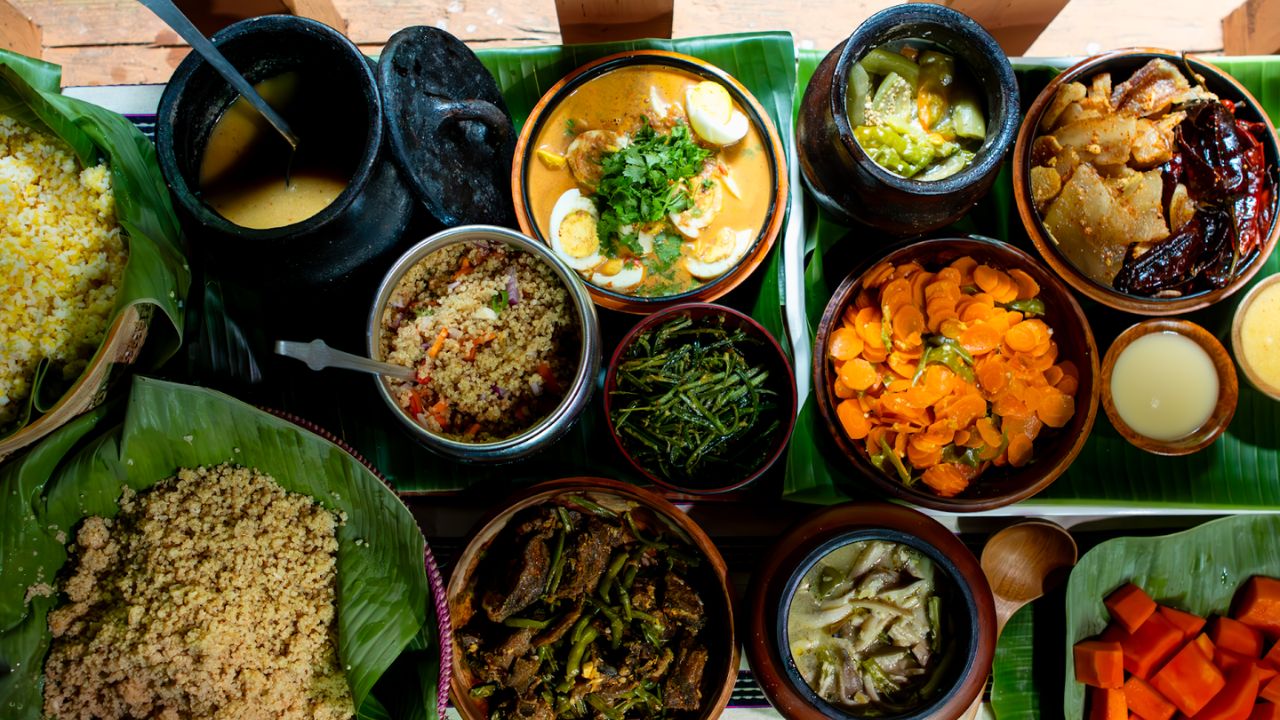
Stop 4: A Farmhouse Meal and Everyday Bhutanese Food
Credit: Department of Tourism
This is where your experience becomes personal.
You sit inside a local home near Paro. Smoke drifts lightly from the kitchen. Someone pours tea while another stirs a pot nearby. Nobody rushes you.
The food arrives quietly. Simple. Honest.
You are likely served:
- Red rice that feels grounding
- Vegetable dishes with gentle heat
- Cheese prepared fresh that morning
- Butter tea that surprises you at first sip
You may worry about spice levels. Hosts adjust without asking. You feel looked after without being managed.
This experience works because:
- Meals come with stories, not menus
- You see how food fits daily work
- Simplicity starts feeling intentional
Quality cultural journeys often include this moment naturally, without labeling it as an “activity,” which keeps it real.
Stop 5: Handicraft Villages and Unhurried Evenings
Near Paro, handicraft villages show you how work and life blend.
You watch looms move in a steady rhythm. Wood tools shape objects slowly. The same hands that weave may pour tea nearby. Nothing feels separated or scheduled.
This stop shifts how you value things.
You stop thinking about souvenirs. You start noticing effort. Time stretches. Evenings slow down without asking permission.
Many experience-led itineraries offered by Thunphel Bhutan Travels weave this visit into the day quietly. It never feels staged. It just fits.
How You Choose the Right Paro Experience
Not every itinerary delivers the same outcome, even if stops look similar.
You should look for:
- Days with breathing room, not packed schedules
- Cultural explanation woven into the day
- Local meals included naturally
- Flexibility after physical activities
Strong Bhutan operators design Paro days to support first impressions. Those impressions tend to stay for life.
Why These Five Stops Work So Well Together
Each stop meets a different need.
- The monastery gives purpose
- The town offers grounding
- The museum builds understanding
- The farmhouse meal creates connection
- The villages slow your pace
Together, they form a complete first experience of Paro town Bhutan without pressure or overload.
And once you move through Paro this way, you may find yourself asking something unexpected.
If this valley already feels this balanced and complete, what might the rest of Bhutan reveal when you are ready to explore deeper?
Questions You Probably Ask Before Deciding
You are not alone if these thoughts cross your mind.
Is Paro enough for a short trip?
Yes. Three to four days here feel complete.
Will altitude affect you?
Most travelers adjust easily with proper pacing.
Do you really need a guide?
A guide adds meaning, not direction. That meaning changes everything.
Is this experience worth the cost?
It’s when the focus stays on depth instead of speed.
That is why journeys like the Happiness Bhutan Tour exist. They remove stress while keeping the experience authentic.